Finnish Lapphund vs Spinone Italiano
Side-by-side comparison across all 14 AKC trait ratings, with a clear verdict on which breed fits which kind of household.
Not sure which breed fits your life?
Answer five questions about your home, your schedule, and your tolerance for shedding. We’ll match you to your top three breeds from over 200.
Finnish Lapphund vs Spinone Italiano
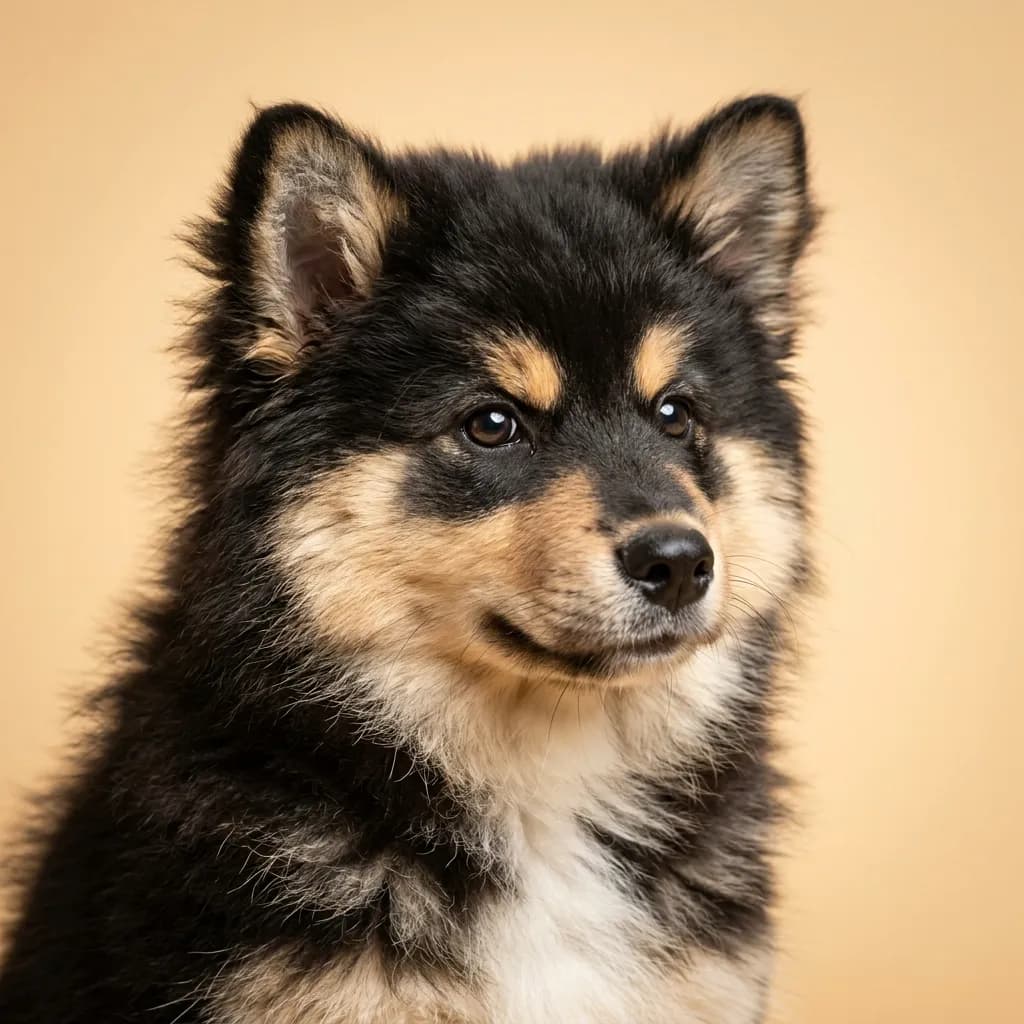
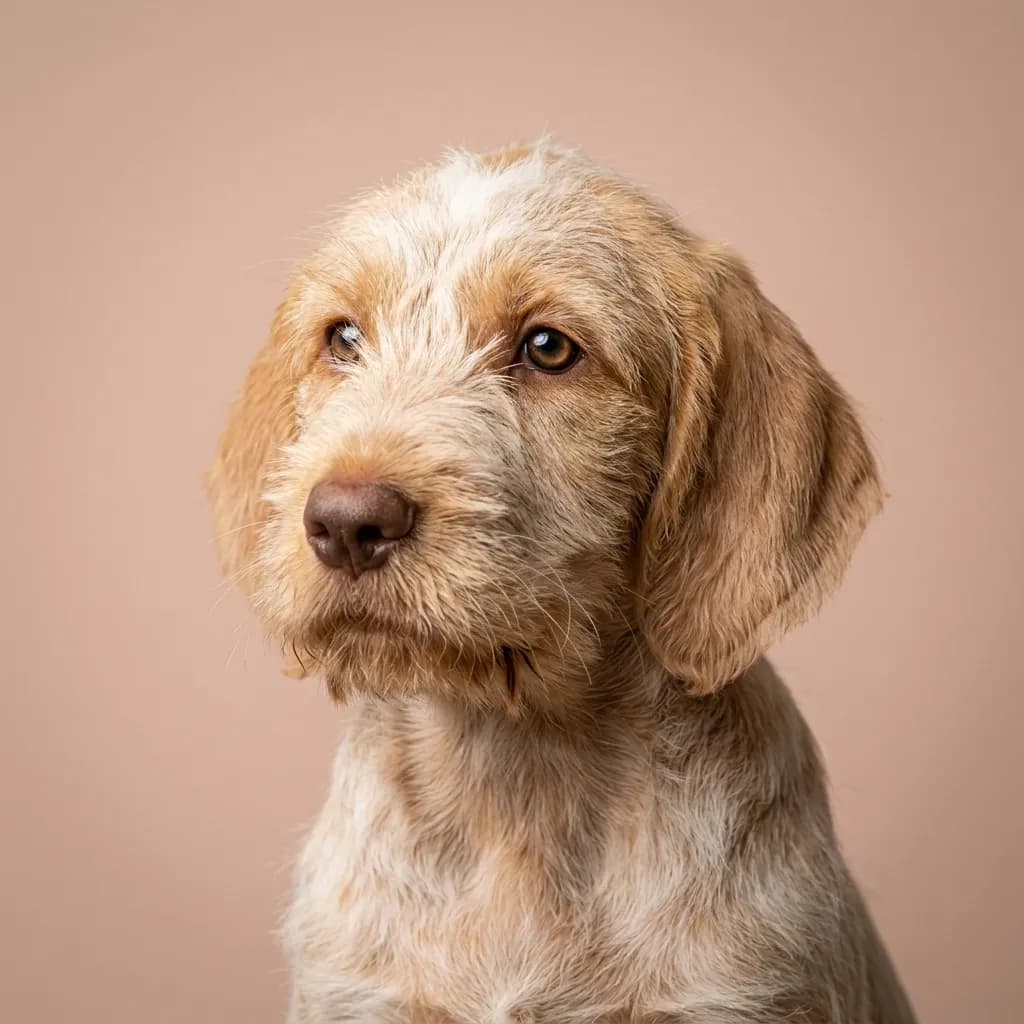
You don’t see Finnish Lapphunds and Spinone Italianos in the same dog park very often, but people compare them because both are friendly, family-oriented breeds with shaggy coats and a calm-ish vibe. That’s where the similarity ends. Think of it like choosing between a nimble mountain guide and a gentle farmhand. both dependable, but built for entirely different terrain. The Lapphund is the lighter, livelier one. Bred to work in the Arctic Circle, this dog thrives in cold weather and loves to be outside, whether you're hiking or just playing in the snow. It’s alert and vocal. good for alerting you to the mailman, less good if you want a quiet dog. It bonds deeply with kids and adapts well to first-time owners, but you’ll brush out clumps of fur weekly. And yes, it barks. A lot. The Spinone is heavier, slower, more deliberate. It’s the dog that leans into your leg not because it wants something, but because it’s checking in. Bred to hunt all day in rough Italian brush, it’s tough and patient, with a soft mouth and softer heart. It’ll tolerate kids well but doesn’t have that “always on” energy. It drools a bit, moves at its own pace, and needs space. both physically and mentally. Cramped apartments? Not ideal. Here’s the real talk: The Lapphund will demand your attention through noise and motion. The Spinone won’t ask for much, but if you don’t meet its need for slow, steady companionship, it’ll quietly become distant. Pick the Lapphund if you want a lively northern companion who’s always part of the action. Pick the Spinone if you value quiet loyalty and don’t mind a dog that ages like a wise old uncle.
Trait-by-trait
Higher bar = more of that trait. Shedding, barking, drooling, grooming flipped for readability.Where they diverge
Choose the Finnish Lapphund if…
- Active families
- Cold climates
- First-time owners
- You value barking level — Finnish Lapphund scores noticeably higher.
Choose the Spinone Italiano if…
- Active hunting families
- Those wanting a gentle, patient breed
- Families with children
- You value good with other dogs — Spinone Italiano scores higher here.