Flat-Coated Retriever vs Papillon
Side-by-side comparison across all 14 AKC trait ratings, with a clear verdict on which breed fits which kind of household.

Not sure which breed fits your life?
Answer five questions about your home, your schedule, and your tolerance for shedding. We’ll match you to your top three breeds from over 200.
Flat-Coated Retriever vs Papillon
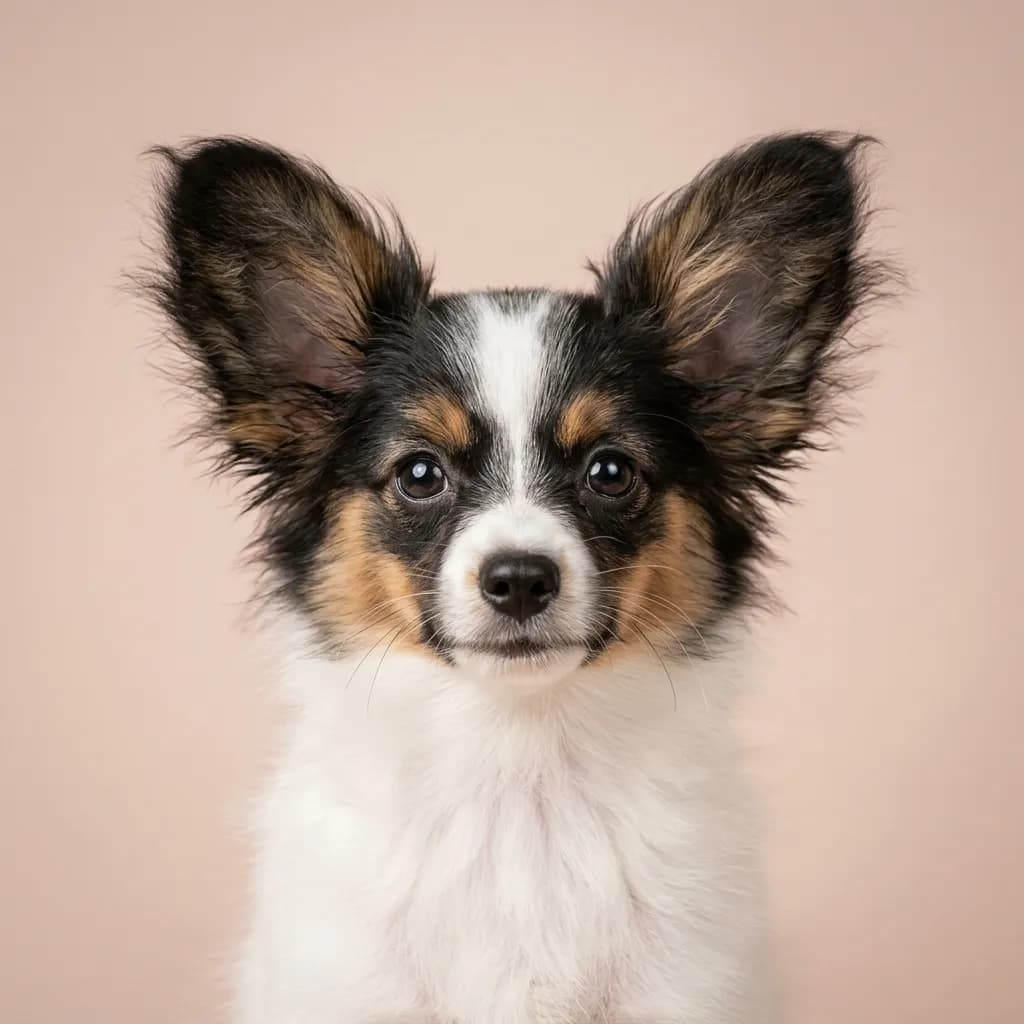
People compare Flat-Coated Retrievers and Papillons because both are cheerful, brainy dogs with big personalities and a knack for learning. But that’s where the similarities end. Imagine this: one’s a rangy, grinning athlete built for muddy lakes and mile-long hikes; the other’s a delicate, wide-eared acrobat who dances across agility courses and fits in a tote bag. This isn’t just size. it’s lifestyle. The Flat-Coat is a 70-pound burst of sunshine, bred to work all day in the field. You’ll need space, time, and a love for outdoor mess. They’re fantastic with kids, yes, but they’re also young adults until they’re five. full of goofy energy and needing serious physical and mental fuel. Their shorter lifespan, around 8 to 10 years, often hits hard because of breed-specific cancers. You’ll likely face tough vet decisions sooner than you’d like. The Papillon, meanwhile, thrives in compact spaces and lives 14 to 16 years. They’re just as trainable, maybe more so, and dominate in dog sports. But don’t mistake their size for calmness. they’re alert, vocal, and can be startled by rough handling, so not ideal for toddlers. They bond fiercely and want to be involved in everything. Choose the Flat-Coat if your life involves boots, backpacks, and wide-open spaces. Pick the Papillon if your world is urban, fast-paced, and you want a tiny dog with a huge spark. Here’s the honest truth: both breeds live to please, but the Papillon remembers slights. a snapped command, a missed cue. The Flat-Coat? It’ll fetch the next ball even if you forgot to praise the last one. They forgive easier. Sometimes, that’s the difference that matters most.
Trait-by-trait
Higher bar = more of that trait. Shedding, barking, drooling, grooming flipped for readability.Where they diverge
Choose the Flat-Coated Retriever if…
- Active families
- Hunters
- Families with children
- You value good with other dogs — Flat-Coated Retriever scores noticeably higher.
Choose the Papillon if…
- Apartment living
- Active owners
- Families with older children
- You value barking level — Papillon scores higher here.