French Bulldog vs Papillon
Side-by-side comparison across all 14 AKC trait ratings, with a clear verdict on which breed fits which kind of household.

Not sure which breed fits your life?
Answer five questions about your home, your schedule, and your tolerance for shedding. We’ll match you to your top three breeds from over 200.
French Bulldog vs Papillon
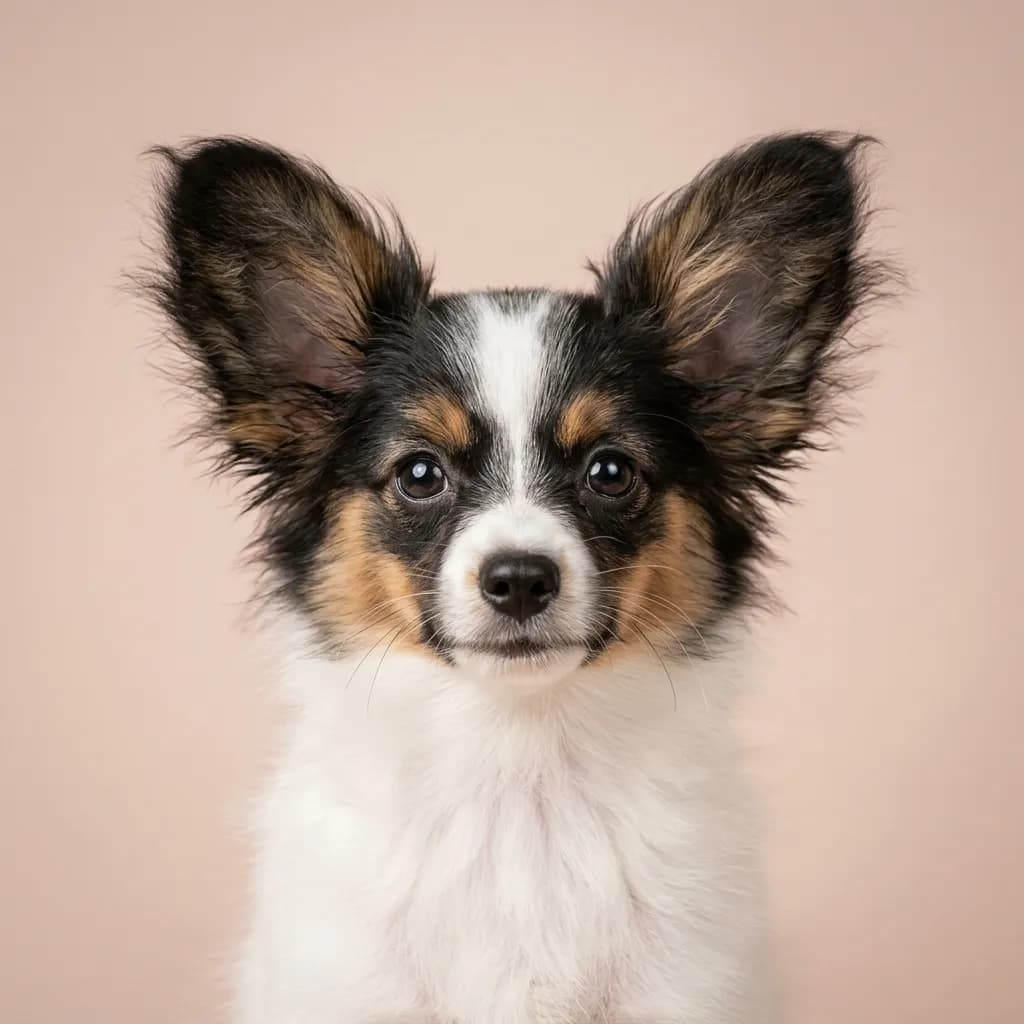
People compare French Bulldogs and Papillons because both are small, affectionate lap dogs that thrive in apartments and adore their people. On the surface, they seem like two flavors of compact companion. But live with either, and you’ll quickly realize they’re built for totally different lives. The French Bulldog is the chill roommate who’s always down to relax. They’re sturdy little pals at 28 pounds, with a low-key energy that matches well with evenings on the couch. They don’t bark much, which your upstairs neighbor will appreciate, and they’ll happily tag along on weekend errands or nap beside you during a lazy Sunday. But they can’t handle heat, and their breathing issues mean even moderate exercise on a warm day can be risky. You’re not going to hike with this dog. The Papillon, meanwhile, is the tiny whirlwind with a brain like a racecar. At just 5 to 10 pounds, they’re featherlight but packed with energy and curiosity. They’re one of the smartest toy breeds. eager to learn tricks, excel in agility, and need real mental work or they’ll invent their own (usually involving your slippers). They bark at doorbells, squirrels, and passing leaves. If you want a silent lap warmer, this isn’t your dog. But if you love teaching and playing, they’ll shine. Families with young kids might lean toward the sturdier, more sedentary Frenchie. Seniors or active adults who want a responsive, brainy partner should consider the Papillon. Here’s the real talk: the French Bulldog’s price tag. often $5,000 or more. isn’t just hype. It reflects how hard they are to breed safely. Many need C-sections, and ethical breeders invest heavily in health testing. That cost isn’t just for cuteness. It’s for keeping them alive.
Trait-by-trait
Higher bar = more of that trait. Shedding, barking, drooling, grooming flipped for readability.Where they diverge
Choose the French Bulldog if…
- Apartment dwellers
- Seniors
- Families with children
- You value drooling level — French Bulldog scores noticeably higher.
Choose the Papillon if…
- Apartment living
- Active owners
- Families with older children
- You value barking level — Papillon scores higher here.