German Longhaired Pointer vs Papillon
Side-by-side comparison across all 14 AKC trait ratings, with a clear verdict on which breed fits which kind of household.

Not sure which breed fits your life?
Answer five questions about your home, your schedule, and your tolerance for shedding. We’ll match you to your top three breeds from over 200.
German Longhaired Pointer vs Papillon
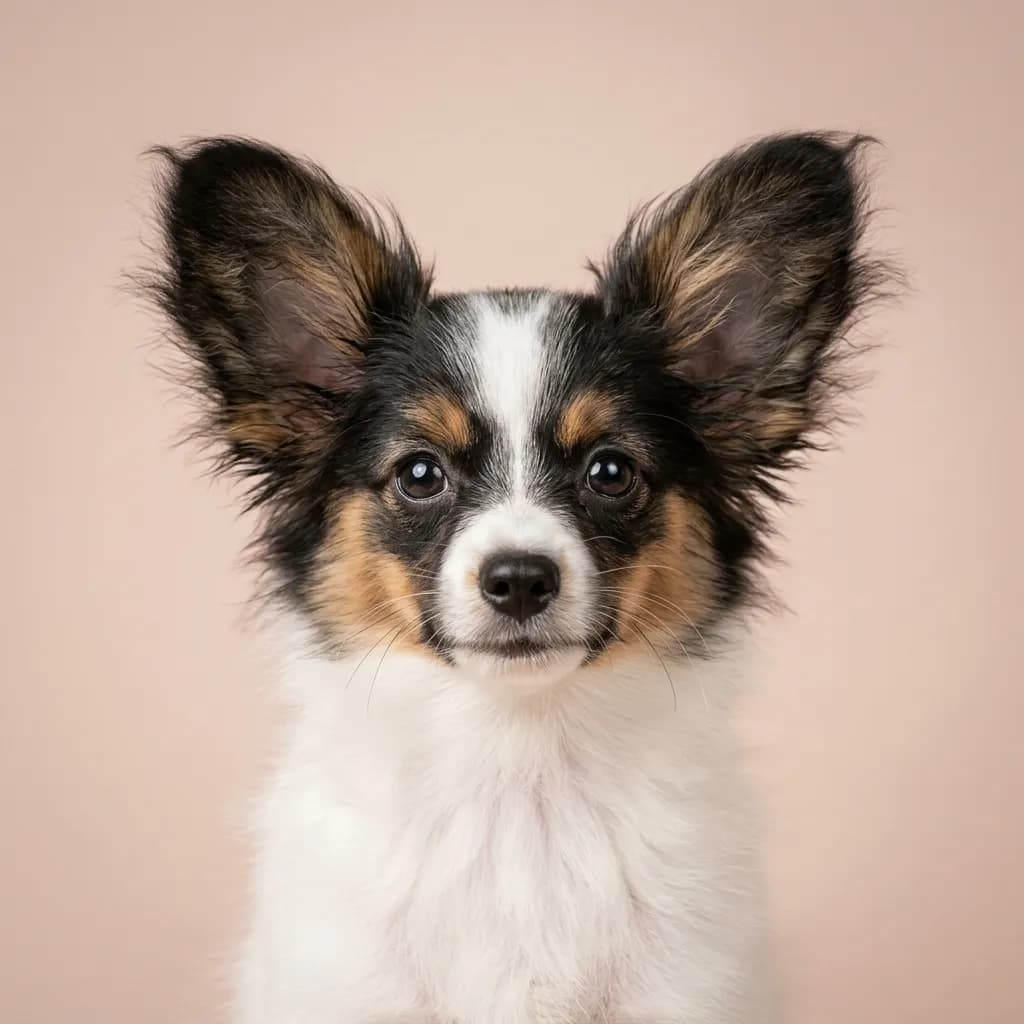
You’re not really comparing a German Longhaired Pointer to a Papillon. you’re choosing between a wilderness guide and a pocket-sized philosopher. People line them up because both are smart, trainable, and bond fiercely with their people. But that’s where the story splits. The German Longhaired Pointer is built for purpose. This dog needs room to move, a job to do, and a family that hikes, hunts, or at least logs 5 miles a day. Weighing in at 55 to 80 pounds, it’s a calm giant at home but explodes into focus in the field. You’ll love its trainability and devotion, but don’t even think about city living in a studio apartment. It’s not just about space. it’s about rhythm. This dog thrives on motion and mental challenges. Without them, it’ll redecorate your yard out of boredom. Then there’s the Papillon. At just 5 to 10 pounds, it’s a featherweight with a brain like a racecar. Bred for courtly charm, it’s alert, chatty, and endlessly affectionate. It adapts to apartments, road trips, or a quiet night on the couch. just don’t expect silence. This dog will bark at the mail, the neighbor’s cat, and its own reflection. But it learns fast, excels in agility, and lives for its person. Here’s the real insight: energy isn’t about size. Both score 4/5, but the Pointer’s energy is physical and expansive, the Papillon’s is mental and intense. You can tire a Pointer with a long trail. You tire a Papillon with puzzles and games. Pick the Pointer if your life spills outdoors and you want a partner, not just a pet. Choose the Papillon if you want a clever, loyal shadow who fits in a tote bag. but can’t keep quiet about the world.
Trait-by-trait
Higher bar = more of that trait. Shedding, barking, drooling, grooming flipped for readability.Where they diverge
Choose the German Longhaired Pointer if…
- Hunters
- Active families
- Rural living
- You value good with other dogs — German Longhaired Pointer scores noticeably higher.
Choose the Papillon if…
- Apartment living
- Active owners
- Families with older children
- You value adaptability — Papillon scores higher here.