German Pinscher vs Great Pyrenees
Side-by-side comparison across all 14 AKC trait ratings, with a clear verdict on which breed fits which kind of household.
Not sure which breed fits your life?
Answer five questions about your home, your schedule, and your tolerance for shedding. We’ll match you to your top three breeds from over 200.
German Pinscher vs Great Pyrenees
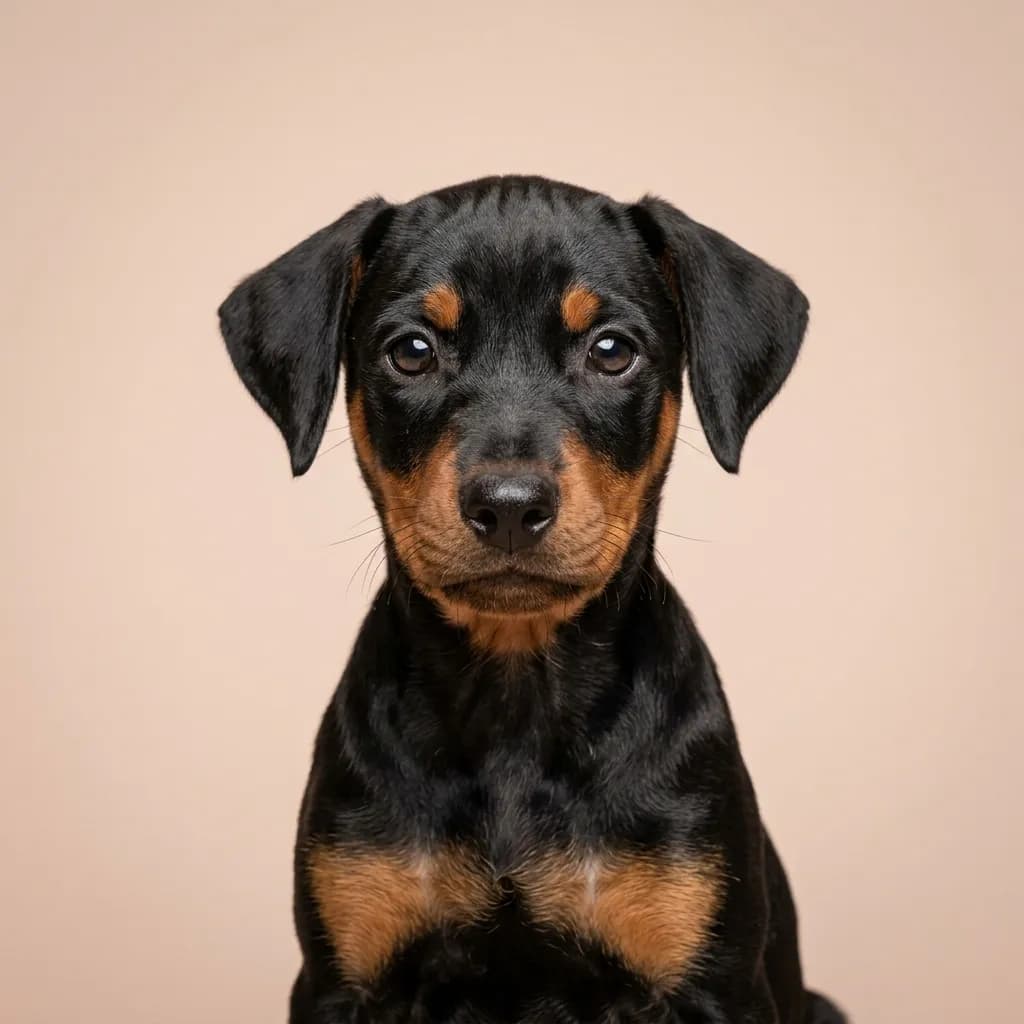
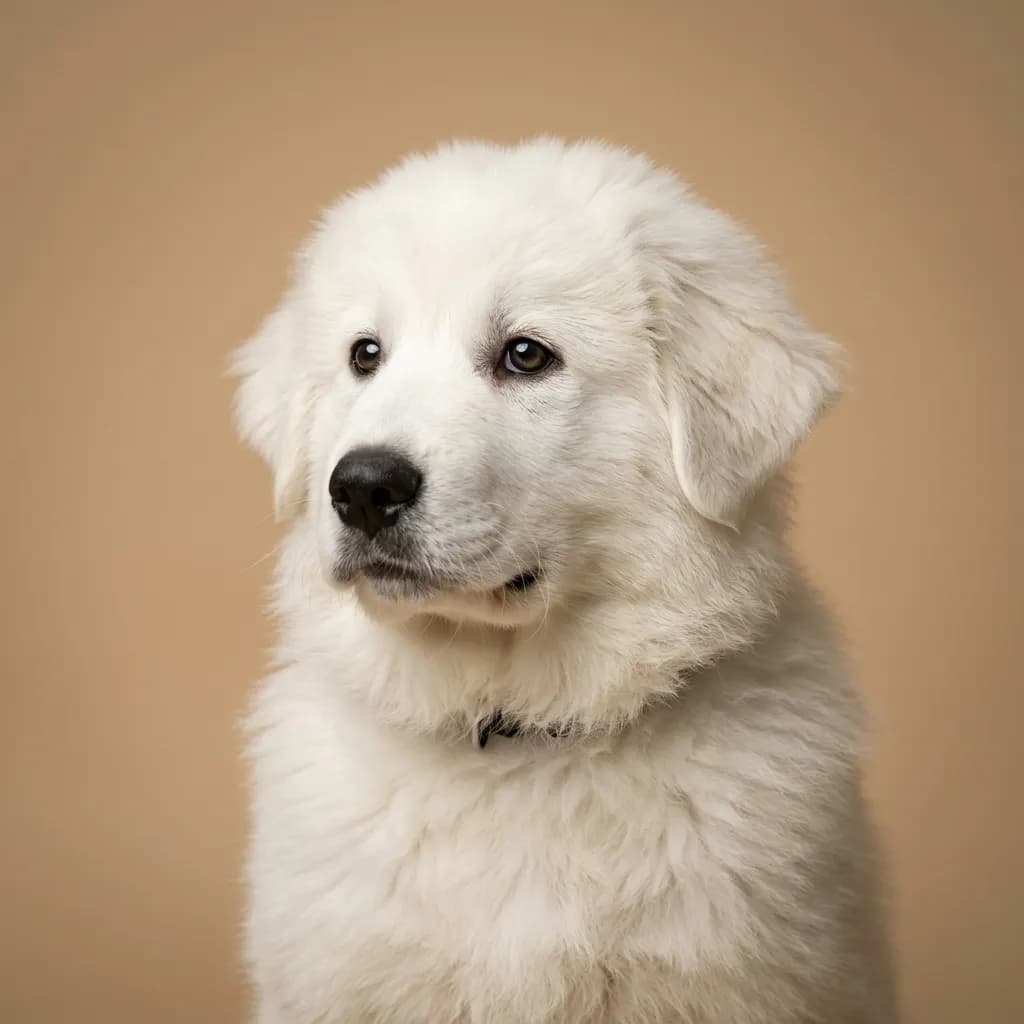
You’d be surprised how often these two come up together. Maybe it’s the “German” and “Great” throwing people off, or the fact that both are working dogs with a dignified air. But put a German Pinscher next to a Great Pyrenees and you’ll feel like you’ve stepped into a dog breed version of David and Goliath. The Pinscher is a lean, wired athlete. think a German Shepherd’s agile little cousin who skipped breakfast and mainlined espresso. He’s sharp, intense, and needs a job that challenges him mentally, whether it’s agility, obedience, or patrolling your backyard like a four-legged security chief. He bonds fiercely, but his energy and prey drive mean he’s not ideal for homes with cats or toddlers underfoot. The Great Pyrenees, in contrast, is the calm boulder on the hill. Massive, fluffy, and built for blizzards, he’s the dog that looks like he’s judging your life choices while guarding your flock from wolves. He moves with purpose, not pep. He’s deeply loyal and gentle with kids, but don’t expect him to fetch your slippers on command. his default setting is “independent thinker,” and recall? Good luck. Here’s the real talk: people compare them because both are protective and loyal, but their lifestyles couldn’t be more different. If you’re active, experienced, and want a dog that thrives on precision and play, the Pinscher’s your match. If you’ve got space, a rural setup, and need a steady, stoic presence, the Pyrenees fits. The insight no one mentions? The Pyrenees doesn’t just guard sheep. he makes decisions. He’ll judge when to bark, when to act, and frankly, when to ignore you. That independence is a feature, not a bug, but it demands respect, not force.
Trait-by-trait
Higher bar = more of that trait. Shedding, barking, drooling, grooming flipped for readability.Where they diverge
Choose the German Pinscher if…
- Experienced dog owners
- Active individuals
- Guard dog purposes
- You value trainability — German Pinscher scores noticeably higher.
Choose the Great Pyrenees if…
- Livestock guardians
- Rural or farm living
- Families with children
- You value drooling level — Great Pyrenees scores higher here.