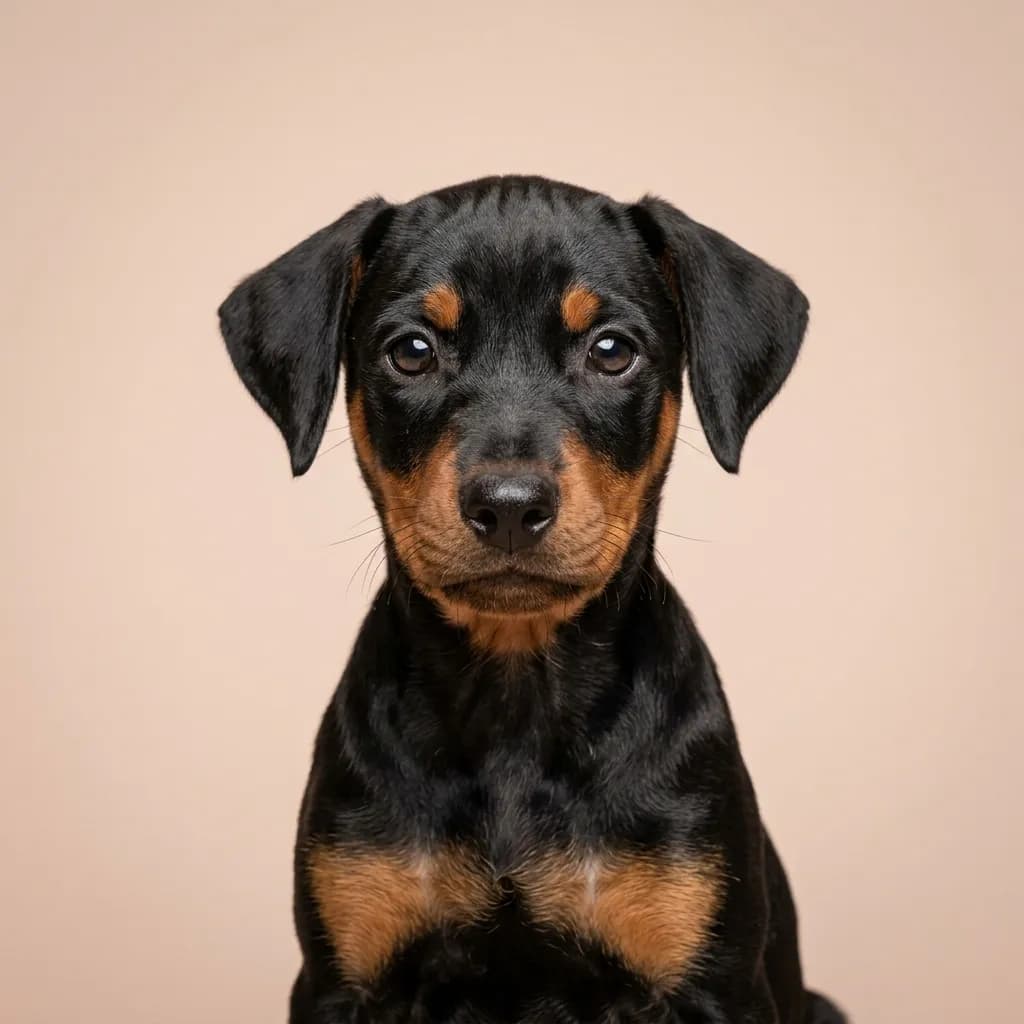
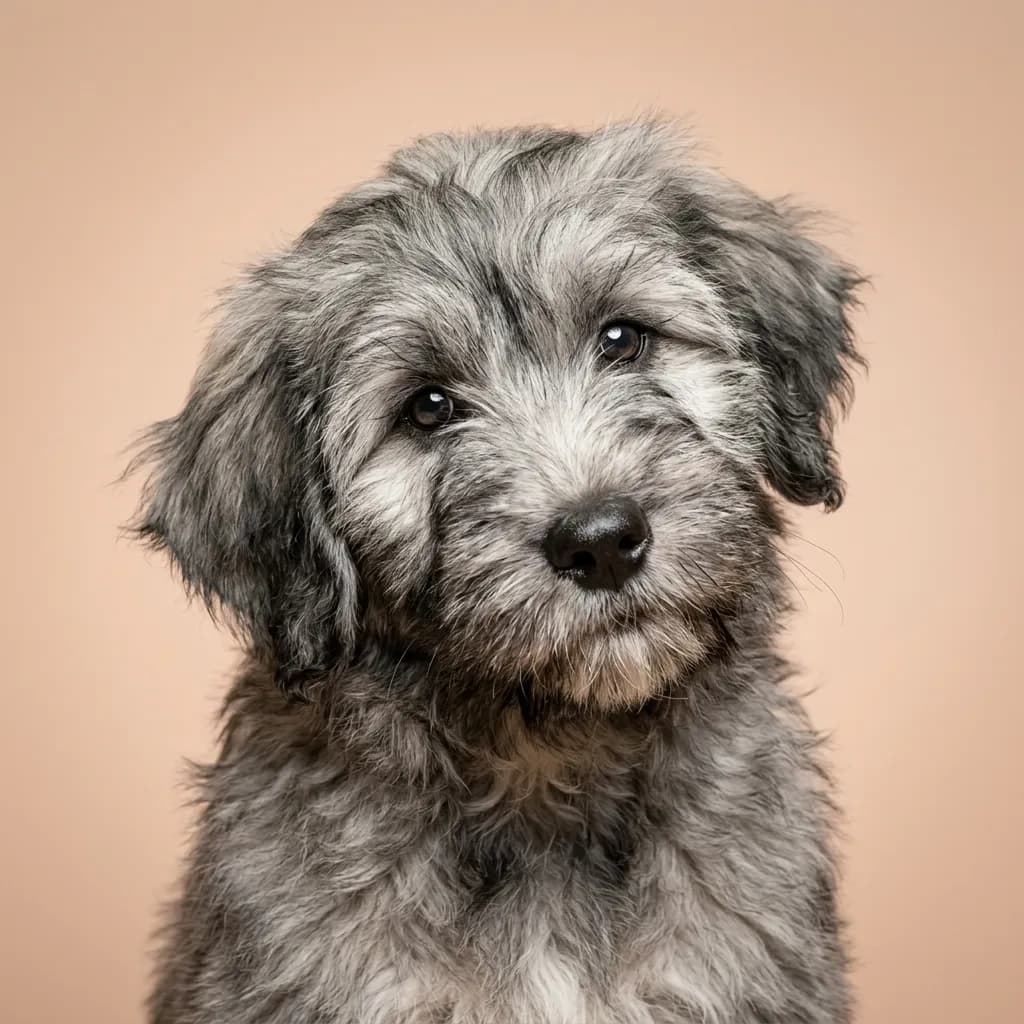
German Pinscher vs Polish Lowland Sheepdog
Side-by-side comparison across all 14 AKC trait ratings, with a clear verdict on which breed fits which kind of household.
Not sure which breed fits your life?
Answer five questions about your home, your schedule, and your tolerance for shedding. We’ll match you to your top three breeds from over 200.
German Pinscher vs Polish Lowland Sheepdog
People often end up comparing the German Pinscher and the Polish Lowland Sheepdog because they’re both medium-sized, energetic breeds with bold personalities and a coat of history. They’re not your casual Instagram picks, but they catch the eye of folks who want a dog with backbone and brains. That’s where the similarity ends. The German Pinscher is a lean, lightning-fast guardian with a motor that won’t quit. He’s bred to patrol, protect, and outthink vermin, and that focus shows. He bonds fiercely, thrives on challenge, and needs an owner who can match his intensity. If you’re into agility or want a natural watch-dog with zero chill, he’s your guy. But he’s not forgiving of rookie mistakes, and he’ll chase the cat without a second thought. The Polish Lowland Sheepdog, or PON, is a shaggy-hearted herder with a spring in his step and a coat that demands attention. He’s adaptable, attaches deeply to his family, and works best when he has a job or a puzzle. He’s more socially flexible than the Pinscher and handles apartment life better, but don’t be fooled by his fluff. he’s still a working dog with a herder’s mind and a bark that won’t quit. The real difference? It’s not size or lifespan. It’s rhythm. The Pinscher lives at 120 mph and expects you to keep up. The PON wants to sync with you, to weave his energy into your daily life like a partner, not a drill sergeant. Here’s the truth beyond the charts: both need experienced hands, but the Pinscher won’t tolerate inconsistency, while the PON will forgive it. once or twice. before he starts making his own rules.
Trait-by-trait
Higher bar = more of that trait. Shedding, barking, drooling, grooming flipped for readability.Where they diverge
Choose the German Pinscher if…
- Experienced dog owners
- Active individuals
- Guard dog purposes
- You value energy level — German Pinscher scores noticeably higher.
Choose the Polish Lowland Sheepdog if…
- Active families
- Experienced herding breed owners
- Dog sport enthusiasts
- You value coat grooming — Polish Lowland Sheepdog scores higher here.