German Spitz vs Hanoverian Scenthound
Side-by-side comparison across all 14 AKC trait ratings, with a clear verdict on which breed fits which kind of household.

Not sure which breed fits your life?
Answer five questions about your home, your schedule, and your tolerance for shedding. We’ll match you to your top three breeds from over 200.
German Spitz vs Hanoverian Scenthound
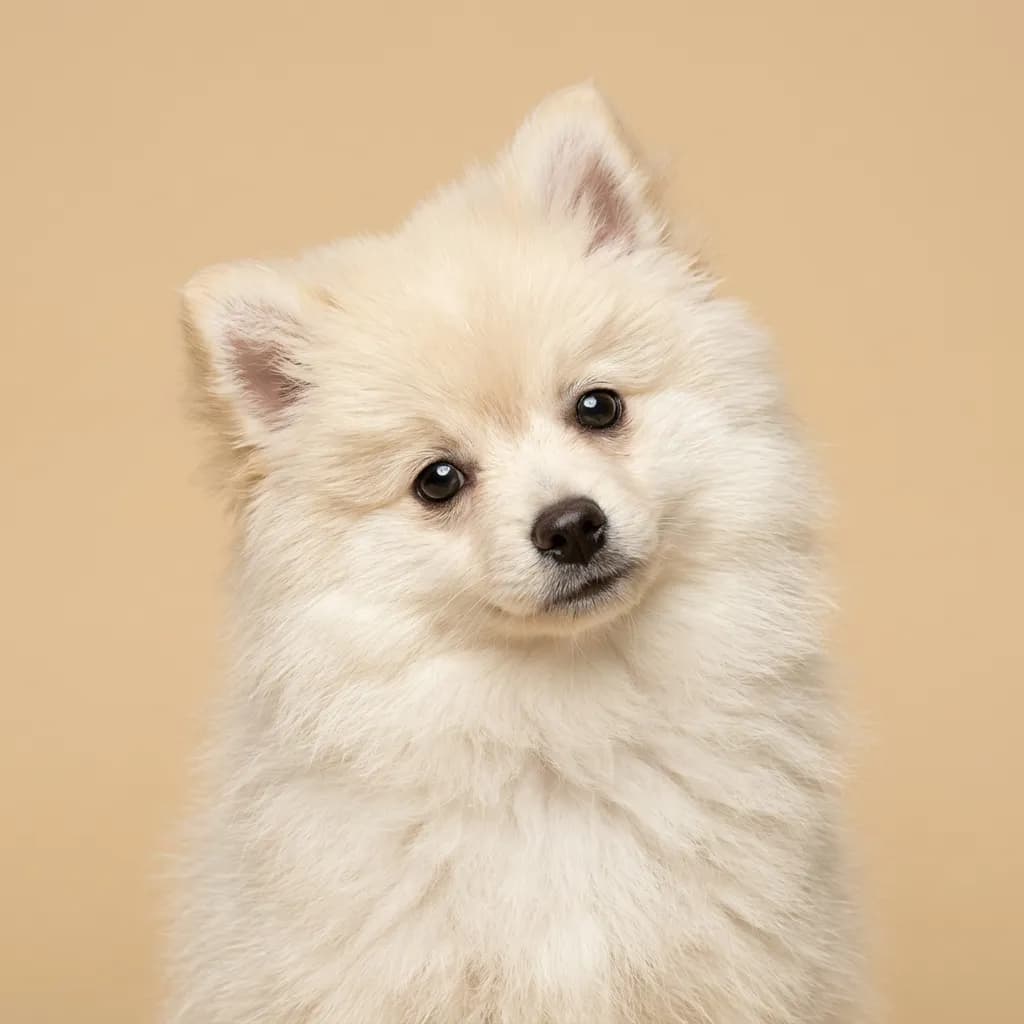
You’re probably not comparing a German Spitz and a Hanoverian Scenthound unless you’ve fallen down a very specific German dog rabbit hole. But here’s why the question comes up: both are German, both are in the AKC’s Foundation Stock Service, and both have that classic “I belong on a coat of arms” look. That’s where the similarities end. The German Spitz is the tiny fireball with a fox face and a motor that won’t quit. At 25 pounds, it’s built for apartment life, yes, but don’t let the size fool you. This dog will bark at a leaf and treat your kid’s scooter like an invading army. It’s smart, eager to please, and bonds hard to its people. If you want a little watchdog who’s always awake and always alert, this is your guy. But if you hate constant commentary on your life, walk away. The Hanoverian Scenthound? This is a 90-pound tracking machine built for the forest, not the foyer. Calm in the house, relentless in the field, it’s bred to follow wounded deer for miles. It’s loyal and affectionate, but it’s not a project for a first-time owner. It needs space, purpose, and a job involving scent. Apartment living? Forget it. Without tracking work, it’ll find its own entertainment. usually involving your backyard and a digging binge. Here’s the real insight: the Spitz thrives on your attention, the Hanoverian tolerates it. One wants to be your shadow, the other will glance back to make sure you’re still there before vanishing into the woods. Pick the Spitz if you want a vocal, compact companion. Pick the Hanoverian if you hunt, have land, and understand that calm doesn’t mean compliant.
Trait-by-trait
Higher bar = more of that trait. Shedding, barking, drooling, grooming flipped for readability.Where they diverge
Choose the German Spitz if…
- Apartment dwellers
- Families with children
- Alert watchdog
- You value coat grooming — German Spitz scores noticeably higher.
Choose the Hanoverian Scenthound if…
- hunters and trackers
- experienced large-breed owners
- rural environments
- You value good with other dogs — Hanoverian Scenthound scores higher here.