Hanoverian Scenthound
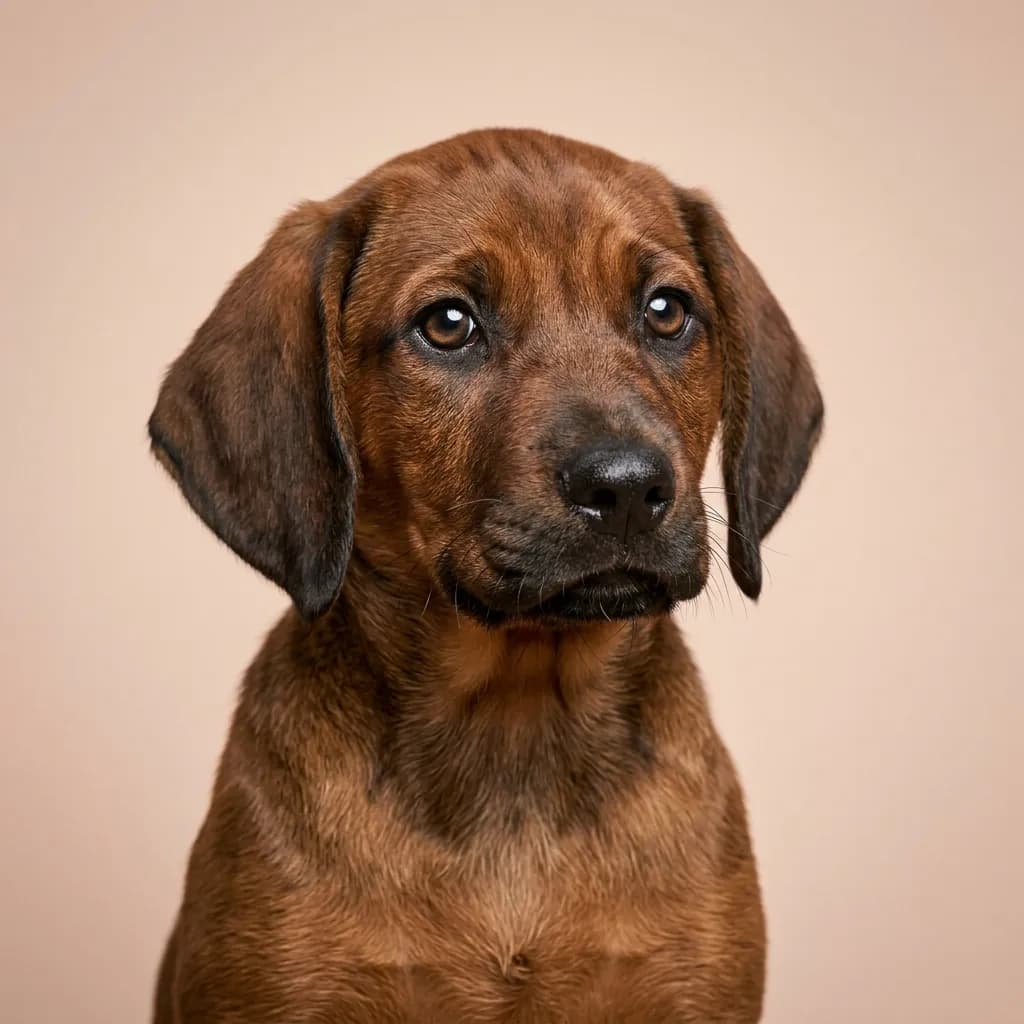
A German cold-trail specialist built for one thing: following a blood trail for miles to recover wounded game. They're calm and loyal at home but deeply serious at work, and they need scent-based outlets or they get restless. Rare outside hunting circles in Germany and virtually unknown in the US; this is a working dog, not a companion breed trying to find a new role.
Free weekly training plan, specific to your Hanoverian Scenthound’s age. Exactly what to focus on this week.
Get your free training planLiving with a Hanoverian Scenthound
The Hanoverian Scenthound is a working dog through and through, bred in Germany to track wounded deer and boar over rugged terrain for hours on end. They’re part of the AKC’s Foundation Stock Service, which means they’re rare in the U.S, and mostly found among serious hunters or scent-sport enthusiasts. Don’t be fooled by their sleek, muscular build and calm expression, they’re built for endurance, not lounging.
These dogs weigh between 79 and 99 pounds and stand 19 to 21 inches tall, with a short, dense coat that sheds moderately. You’ll vacuum regularly, but it’s not the constant fur storm you’d get with a Husky. Day to day, they’re surprisingly calm indoors, when they’re not actively working.
They’re loyal and affectionate with their people, but not the clingy type. They’ll follow you from room to room with quiet interest, not Velcro attachment. They’re independent thinkers, which helps them track without constant direction, but that also means trainability, while rated 4 out of 5, comes with a caveat: they’ll listen when they agree with you.
If your recall fails during a scent chase, don’t expect them to come back just because you asked. Exercise isn’t just important, it’s non-negotiable. These dogs need serious mental and physical outlets.
A few walks won’t cut it. They thrive on tracking trials, barn hunts, or structured scent games. Without that, the barking, also a 4 out of 5, will become your new soundtrack.
And boredom turns into destructive habits fast. Grooming is low drama. A weekly brush, regular ear checks (they’re prone to infections thanks to those floppy ears), and routine dental care go a long way.
Watch their weight like a hawk, obesity is a real risk and worsens their predisposition to hip dysplasia and bloat. They’re not great with small kids (3 out of 5) and don’t adapt well to city life or apartments. You need space, time, and purpose for them.
Best suited for experienced owners in rural areas who hunt or do scent work. Novice owners need not apply. Here’s the thing most breed summaries won’t tell you: this dog isn’t about companionship in the traditional sense.
They’re partners. If you’re not willing to give them a job, you’re missing the point of owning one.
14 traits, at a glance.
Every breed on PuppyBase is rated across the 14 trait dimensions the American Kennel Club publishes — from trainability to drooling level. The higher the score, the better the fit for that trait.
What to expect day-to-day
Things to screen for
- eye conditions
- Obesity
- Hip dysplasia
- Bloat (GDV)
- Ear infections
See a full price breakdown — first-year costs, lifetime estimate, breeder vs. adoption.
Full price guideSimilar breeds
Browse all 200+
Common questions
How long do Hanoverian Scenthounds live?
Hanoverian Scenthounds typically live between 10 and 14 years. With proper care and regular vet checkups, many reach the upper end of that range.
How much does a Hanoverian Scenthound puppy cost?
You can expect to pay between $1,200 and $3,000 for a Hanoverian Scenthound puppy, with most averaging around $2,000. Prices vary based on breeder reputation and bloodline.
How much do Hanoverian Scenthounds shed?
Hanoverian Scenthounds shed moderately year-round. Weekly brushing helps manage the loose hair, especially during seasonal changes.
What colors do Hanoverian Scenthounds come in?
They come in light to dark red, brindle, and fawn. The coat is short and smooth, with no markings required.
How big do Hanoverian Scenthounds get?
They stand 19 to 21 inches tall at the shoulder and weigh between 79 and 99 pounds. This is a large, heavy-boned hound built for endurance.
Are Hanoverian Scenthounds smart?
Yes, they're intelligent, especially when it comes to scent work. They learn quickly in areas that engage their natural tracking instincts.
Are Hanoverian Scenthounds hypoallergenic?
No, Hanoverian Scenthounds are not hypoallergenic. They shed and produce dander, so they're not suitable for people with allergies.
Are Hanoverian Scenthounds aggressive?
No, they're not aggressive by nature. They're calm, loyal, and get along well with other dogs, but they’re reserved with strangers and focused on their job.
What health problems are common in Hanoverian Scenthounds?
Common issues include hip dysplasia, ear infections, bloat, obesity, and certain eye conditions. Regular screening and a proper diet are essential.
Do Hanoverian Scenthounds bark a lot?
Yes, they bark frequently, especially when on a trail or stimulated. Their voice is part of their working toolkit and can be loud and persistent.
Are Hanoverian Scenthounds easy to train?
They're trainable but need experienced handling. They respond well to consistent, patient training that respects their independence.
Are Hanoverian Scenthounds good family dogs?
They can be, but only in active families who understand working hounds. They're loyal and calm at home but need serious mental and physical outlets.
Are Hanoverian Scenthounds good with cats?
They have a strong prey drive and may not be reliable with cats or small animals, especially off-leash. Early socialization helps, but caution is always needed.
Are Hanoverian Scenthounds good hunting dogs?
Yes, they're exceptional hunting dogs bred specifically to track wounded big game over long distances. Their scenting ability and endurance are unmatched in their niche.
Can Hanoverian Scenthounds live in apartments?
No, they're not suited for apartment living. They need space, access to secure outdoor areas, and daily scent work to stay balanced and prevent restlessness.
Are Hanoverian Scenthounds good first dogs?
No, they're not recommended for first-time owners. Their size, independence, and need for specialized training and scent work make them better for experienced handlers.
Not sure which breed fits your life?
Answer five questions about your home, your schedule, and your tolerance for shedding. We’ll match you to your top three breeds from over 200.