German Spitz vs Keeshond
Side-by-side comparison across all 14 AKC trait ratings, with a clear verdict on which breed fits which kind of household.
Not sure which breed fits your life?
Answer five questions about your home, your schedule, and your tolerance for shedding. We’ll match you to your top three breeds from over 200.
German Spitz vs Keeshond
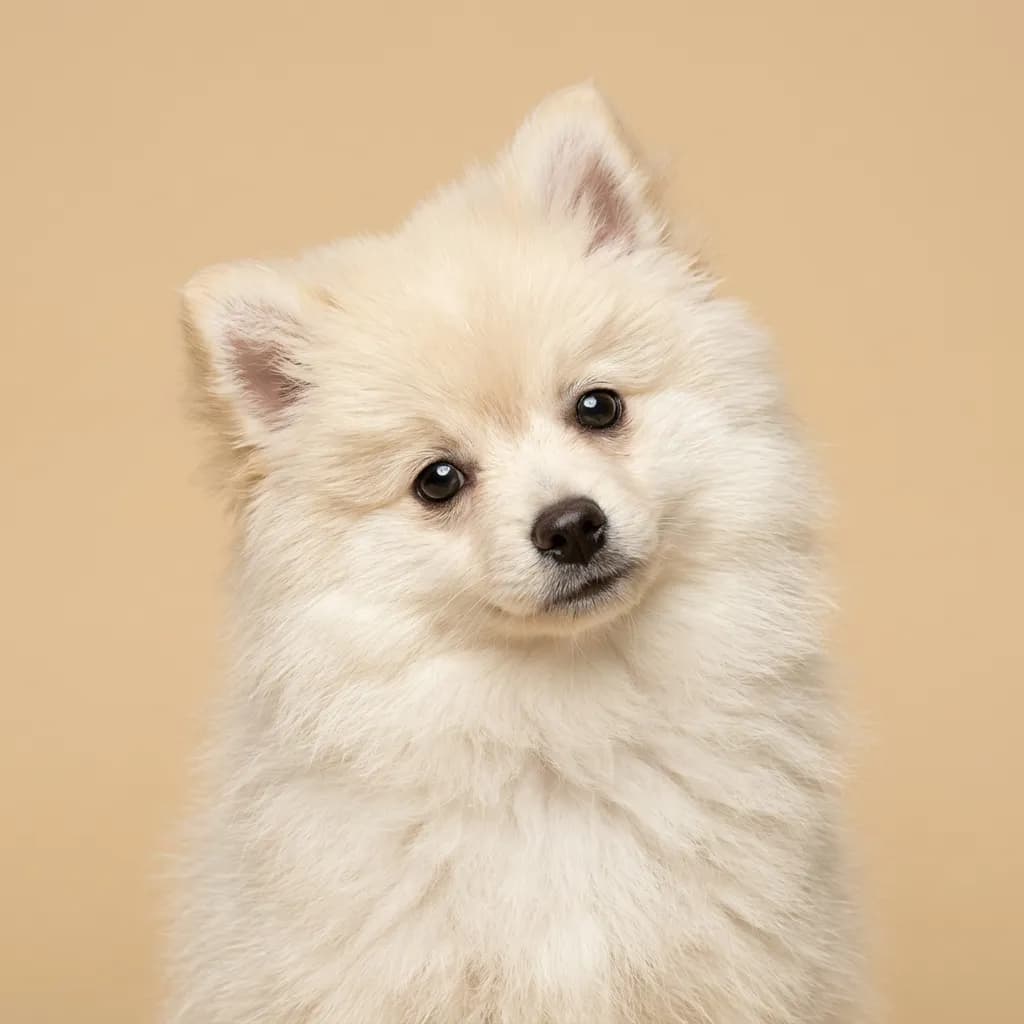
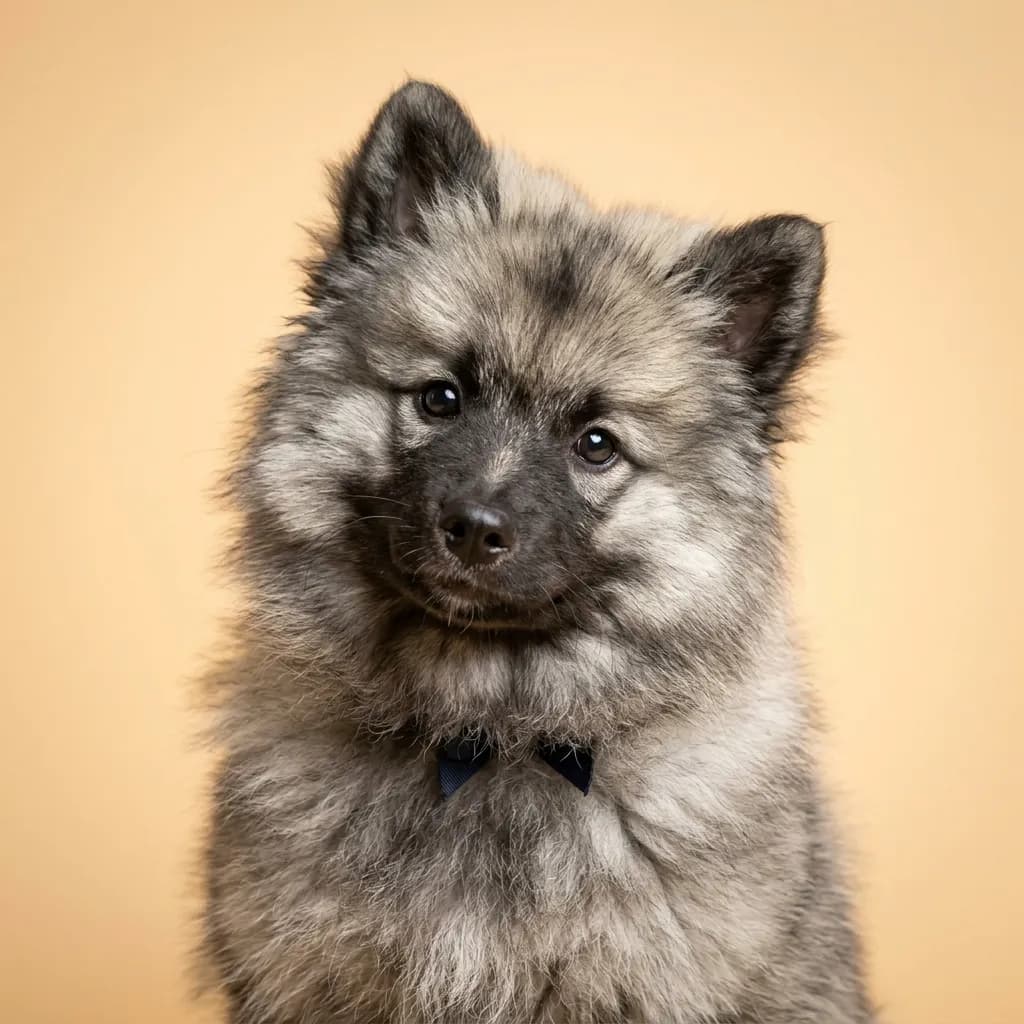
People compare German Spitz and Keeshond because they look like long-lost cousins. fluffy, foxy faces, curled tails, and that signature alert expression. Both are smart, trainable, and born watchdogs with a lot to say. But that’s where the similarities start to shed. literally and figuratively. The German Spitz is the compact alarm system of the two, tipping the scales at just 24 to 26 pounds, barely bigger than a hefty house cat. It’s sharp, attentive, and will bark at a leaf blowing past the window. If you live in an apartment and want a tiny companion that’s easy to manage but still packs personality, it’s a solid pick. But kids can be hit or miss. some adapt well, others find the Spitz a little too reactive. And don’t expect to hike 10 miles together; their energy is more “living room sentinel” than trail buddy. The Keeshond, by contrast, is sturdier. 35 to 45 pounds of friendly, balanced fluff built for cold weather and family life. Originally barge dogs in the Netherlands, they’re deeply bonded, highly adaptable, and genuinely good with kids, not just tolerant. They bark, yes, but with more judgment. They’re also more physically active and need real mental engagement. you’ll want puzzle toys and short training games, not just walks. Here’s the real insight: the Keeshond wants to be part of your emotional world. It reads moods, leans in when you’re down, and thrives on routine. The German Spitz is more of a solo performer. it loves you, but on its own terms. If you want a dog that feels like a family member, not just a companion, the Keeshond wins. But if you want something small, sharp, and always on duty, the Spitz will never disappoint. Just don’t expect silence.
Trait-by-trait
Higher bar = more of that trait. Shedding, barking, drooling, grooming flipped for readability.Where they diverge
Choose the German Spitz if…
- Apartment dwellers
- Families with children
- Alert watchdog
- You value barking level — German Spitz scores noticeably higher.
Choose the Keeshond if…
- Families with children
- Active owners
- Cold climates
- You value good with young children — Keeshond scores higher here.