German Spitz vs Transylvanian Hound
Side-by-side comparison across all 14 AKC trait ratings, with a clear verdict on which breed fits which kind of household.

Not sure which breed fits your life?
Answer five questions about your home, your schedule, and your tolerance for shedding. We’ll match you to your top three breeds from over 200.
German Spitz vs Transylvanian Hound
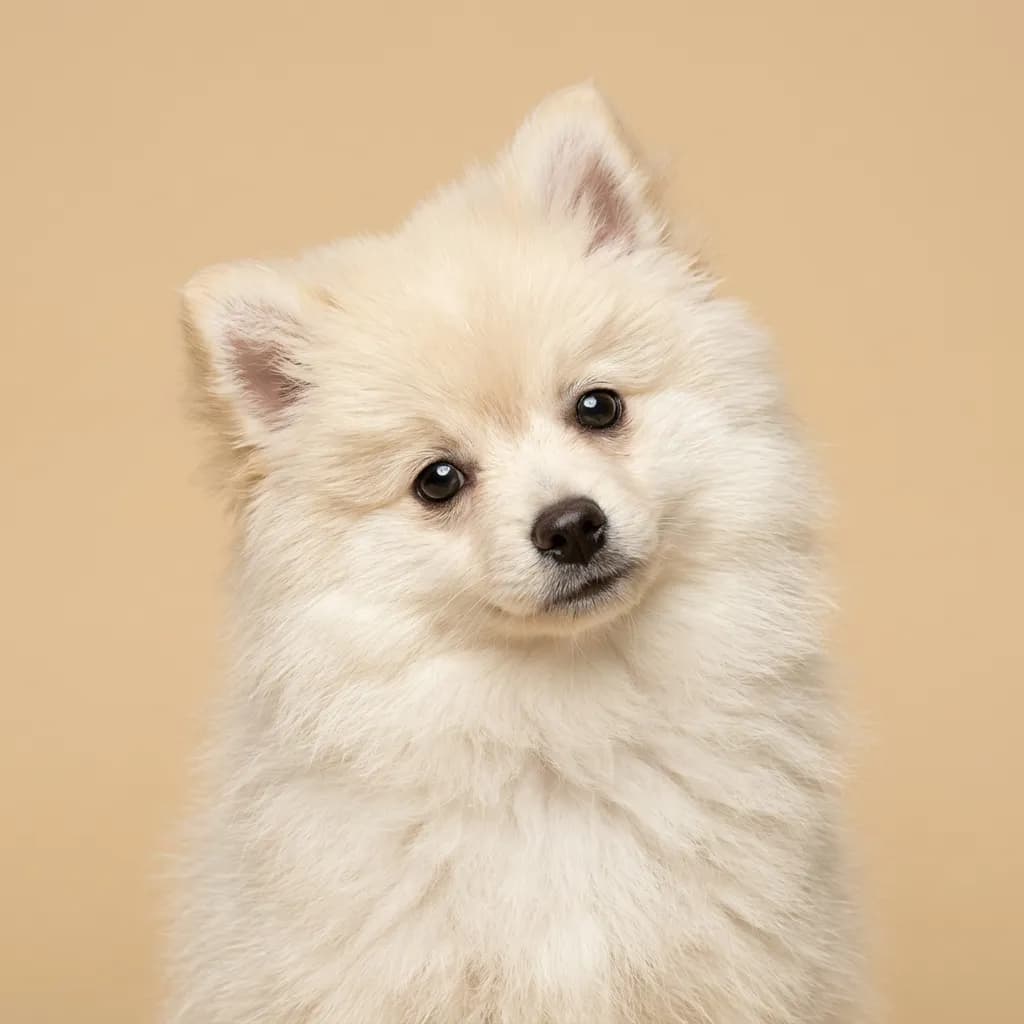
You’re not going to find many side-by-side comparisons of a fluffy lap-sized guardian and a rugged mountain hunter, but here we are. People pit German Spitz against Transylvanian Hound when they’re drawn to rare, regional breeds with big personalities and old-world roots. That’s where the similarity ends. The German Spitz is your feisty little alarm system with a fox face and a heart full of opinions. At 25 pounds, it’s built for window perches and quick walks, thriving in apartments where its devotion and smarts shine. It’s eager to please, picks up commands fast, and will bark at the mail carrier, the falling leaf, and its own shadow. If you work from home and want a constant, chatty companion, it’s a solid fit. But don’t expect couch quiet, and keep vet tabs on its knees and eyes. luxating patellas and PRA are real concerns. Now picture the Transylvanian Hound: a 55-pound, deep-chested hunter built for tracking boar through snow and forest. This dog is calm inside when tired, but needs serious miles. It’s gentler with kids than the Spitz, more tolerant, and deeply loyal. But it’s not a beginner’s dog. It’s independent, needs consistent training, and won’t adapt to city life or small yards. If you’re hiking daily, live in the country, and want a dog that works as hard as you play, this Hungarian treasure is worth the search. Here’s the truth beyond the numbers: the Spitz wants to be your emotional support drama queen. The Transylvanian Hound wants to be your partner in adventure. Pick based on the life you actually live, not the one you imagine.
Trait-by-trait
Higher bar = more of that trait. Shedding, barking, drooling, grooming flipped for readability.Where they diverge
Choose the German Spitz if…
- Apartment dwellers
- Families with children
- Alert watchdog
- You value coat grooming — German Spitz scores noticeably higher.
Choose the Transylvanian Hound if…
- Active families
- Experienced dog owners
- Rural or suburban living
- You value good with young children — Transylvanian Hound scores higher here.