German Wirehaired Pointer vs Pomeranian
Side-by-side comparison across all 14 AKC trait ratings, with a clear verdict on which breed fits which kind of household.

Not sure which breed fits your life?
Answer five questions about your home, your schedule, and your tolerance for shedding. We’ll match you to your top three breeds from over 200.
German Wirehaired Pointer vs Pomeranian
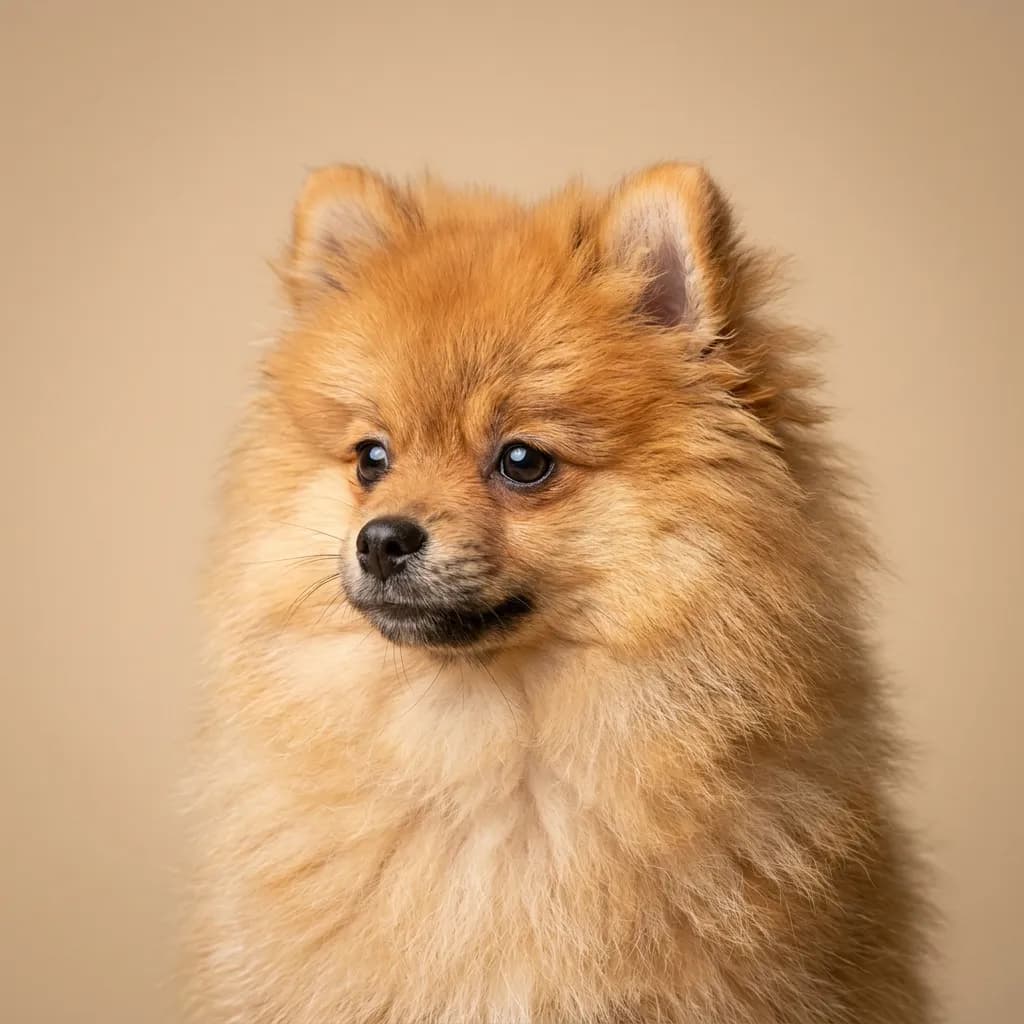
You’re not really comparing these two breeds because they’re similar. you’re doing it because you’re torn between two extremes. One’s a rugged hunting machine built for swamps and snow, the other a tiny fluffball that fits in a purse. But both are German, both have that alert spark, and both bond fiercely to their people. That’s where the similarities end. The German Wirehaired Pointer is for someone whose idea of a good weekend involves hiking, hunting, or herding dogs through agility courses. This dog thrives on motion and purpose. It’s affectionate, yes, but not the sit-on-your-lap kind. it’s more the “let’s go conquer the wilderness together” partner. You’ll need space, time, and energy to match. Without it, you’ll get a stressed dog with destructive habits. It sheds minimally, but that wiry coat needs regular stripping, not just brushing. The Pomeranian? It’s a big personality in a tiny frame. Bold, loud, and always watching, it’s the neighborhood alarm system. Great for apartments or retirees who want constant companionship. But those 6 inches can be fragile. kids under five can accidentally hurt them. And while they don’t shed much, their double coat mats fast and needs grooming every few days, not just baths. Here’s the real talk: the Wirehaired Pointer will push you to be more active, more present. The Pomeranian will demand more attention than you think for a dog that fits in a tote bag. Pick the Pointer if you want a teammate. Pick the Pom if you want a tiny, fearless shadow. One is a lifestyle partner, the other a pocket-sized drama queen. Know which role you’re signing up for.
Trait-by-trait
Higher bar = more of that trait. Shedding, barking, drooling, grooming flipped for readability.Where they diverge
Choose the German Wirehaired Pointer if…
- Hunters
- Active families
- Dog sports participants
- You value trainability — German Wirehaired Pointer scores noticeably higher.
Choose the Pomeranian if…
- Apartment living
- Seniors or retirees
- Those wanting an alert watchdog
- You value coat grooming — Pomeranian scores higher here.