Pomeranian
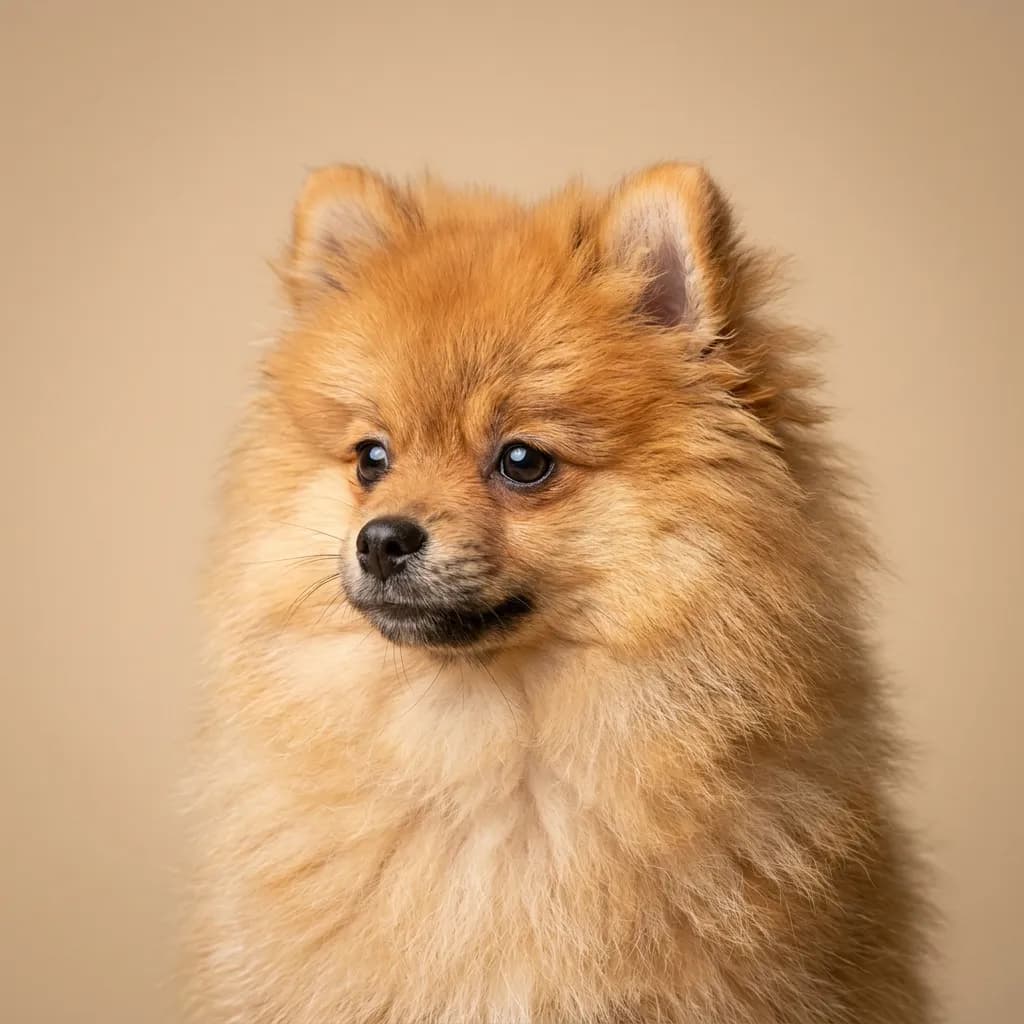
Maximum personality in minimum package — Pomeranians are bold, vocal, and genuinely convinced they're much larger than they are. They descended from big sled-pulling Spitz dogs, and that heritage shows in their alert, busy-minded nature. Excellent watchdogs and surprisingly trainable, but the barking is a feature, not a bug, and needs to be managed early.
Free weekly training plan, specific to your Pomeranian’s age. Exactly what to focus on this week.
Get your free training planLiving with a Pomeranian
Pomeranians are tiny dogs with outsized personalities, descendants of the sturdy Arctic sled-pulling Spitz breeds. Bred down to lapdog size in Germany and popularized by Queen Victoria, they’ve been companion royalty for centuries. Don’t let the fluff fool you.
These little dogs are bold, alert, and always tuned into what’s happening around them. You’ll know the second a mail truck passes or a bird lands on your windowsill because your Pom will tell you, loudly. Barking is their default setting, which makes them excellent watchdogs but a poor fit if you or your neighbors value silence.
In the house, they’re lively and affectionate, rating a full 5/5 for love and attachment. They bond deeply with their people, often choosing one household member as their person. They’re adaptable to apartment living and don’t need a yard, but they do need daily mental and physical stimulation.
A couple of 15-minute walks plus some indoor play or puzzle toys usually satisfies their moderate energy level. Don’t expect high trainability. 3/5 means they’ll learn tricks with patience, but they can be stubborn.
Start early with socialization and consistent rules, or you’ll end up with a tiny dog who thinks he runs the house. Grooming isn’t optional. That plush double coat needs brushing at least three times a week to avoid mats, and more during shedding seasons.
Yes, they shed moderately year-round and heavily twice a year, vacuuming becomes a lifestyle. And while they’re only 3 to 7 pounds, their tiny size comes with health trade-offs. Watch for patellar luxation, tracheal collapse (never use a collar, always a harness), and dental disease (brush their teeth early and often).
Alopecia X, or black skin disease, can cause coat loss, though it’s not painful. They’re ideal for seniors, singles, or apartment dwellers who want an alert, portable companion. Not great for homes with toddlers, they’re small enough to get hurt in rough play, and kids under 6 often scare them.
My take? People underestimate how much personality fits into 5 pounds. A Pomeranian isn’t just a purse accessory.
They’re spunky, intelligent, and need owners who respect their dogness, not just their cuteness. Get one because you want a real, feisty little dog, not a living teddy bear.
14 traits, at a glance.
Every breed on PuppyBase is rated across the 14 trait dimensions the American Kennel Club publishes — from trainability to drooling level. The higher the score, the better the fit for that trait.
What to expect day-to-day
Things to screen for
- Alopecia X (black skin disease)
- Patellar luxation
- Tracheal collapse
- Dental disease
- Progressive retinal atrophy
See a full price breakdown — first-year costs, lifetime estimate, breeder vs. adoption.
Full price guideSimilar breeds
Browse all 200+


Common questions
How long do Pomeranians live?
Pomeranians typically live between 12 and 16 years, which is a long lifespan for a dog. With good care, many remain active and healthy well into their teens.
How much does a Pomeranian puppy cost?
A Pomeranian puppy usually costs between $1,500 and $5,000, with an average price around $2,500. Prices vary based on breeder reputation, lineage, coat color, and location.
How much do Pomeranians shed?
Pomeranians shed moderately year-round and have two heavy shedding periods annually when they 'blow' their undercoat. Regular brushing helps manage loose fur, especially during these times.
What colors do Pomeranians come in?
Pomeranians come in a wide range of colors including orange, red, cream, white, black, brown, blue, sable, parti-color, and brindle. Some rare colors like blue or chocolate may command higher prices.
How big do Pomeranians get?
Pomeranians are small dogs, standing 6 to 7 inches tall and weighing between 3 and 7 pounds. Their compact size makes them easy to carry and ideal for small living spaces.
Are Pomeranians smart?
Yes, Pomeranians are intelligent and can learn tricks and commands quickly, often mastering new skills in under 20 repetitions. Their inquisitive nature means they thrive on mental challenges.
Are Pomeranians hypoallergenic?
No, Pomeranians are not hypoallergenic, though they produce low dander. Their double coat sheds and can trap allergens, so regular grooming is essential for allergy-sensitive households.
Are Pomeranians aggressive?
Pomeranians are bold and alert, which can come across as feisty or defensive, especially around strangers or larger dogs. Early socialization helps prevent snapping or excessive barking.
What health problems are common in Pomeranians?
Common health issues include patellar luxation, tracheal collapse, dental disease, progressive retinal atrophy, and a condition called Alopecia X. Regular vet checkups and proper dental care are crucial.
Do Pomeranians bark a lot?
Yes, Pomeranians bark frequently and make excellent watchdogs. Their high barking tendency means they need early training to prevent nuisance barking, especially in apartments.
Are Pomeranians easy to train?
Pomeranians are moderately easy to train due to their intelligence, but they can be stubborn. Consistent, positive reinforcement works best, and early training prevents small-dog syndrome.
Are Pomeranians good family dogs?
They can be, but Pomeranians are better suited to homes with older children or adults. Their small size makes them fragile, and rough handling by young kids can lead to injury or anxiety.
Are Pomeranians good with cats?
Pomeranians can get along with cats, especially if raised together, but their lively, bold nature may trigger chasing. Supervised introductions and early socialization improve compatibility.
Are Pomeranians good guard dogs?
Yes, Pomeranians make excellent watchdogs thanks to their alertness and tendency to bark at unfamiliar sounds or people. They're not physically protective, but they won't miss a single delivery truck.
Can Pomeranians live in apartments?
Absolutely, Pomeranians adapt well to apartment living due to their small size and moderate energy levels. Just be mindful of their barking so neighbors aren't disturbed.
How often do Pomeranians need grooming?
Pomeranians need brushing several times a week to prevent matting, and more often during shedding seasons. Professional grooming every 4 to 6 weeks helps keep their coat in top condition.
Not sure which breed fits your life?
Answer five questions about your home, your schedule, and your tolerance for shedding. We’ll match you to your top three breeds from over 200.