German Wirehaired Pointer vs Shiba Inu
Side-by-side comparison across all 14 AKC trait ratings, with a clear verdict on which breed fits which kind of household.
Not sure which breed fits your life?
Answer five questions about your home, your schedule, and your tolerance for shedding. We’ll match you to your top three breeds from over 200.
German Wirehaired Pointer vs Shiba Inu
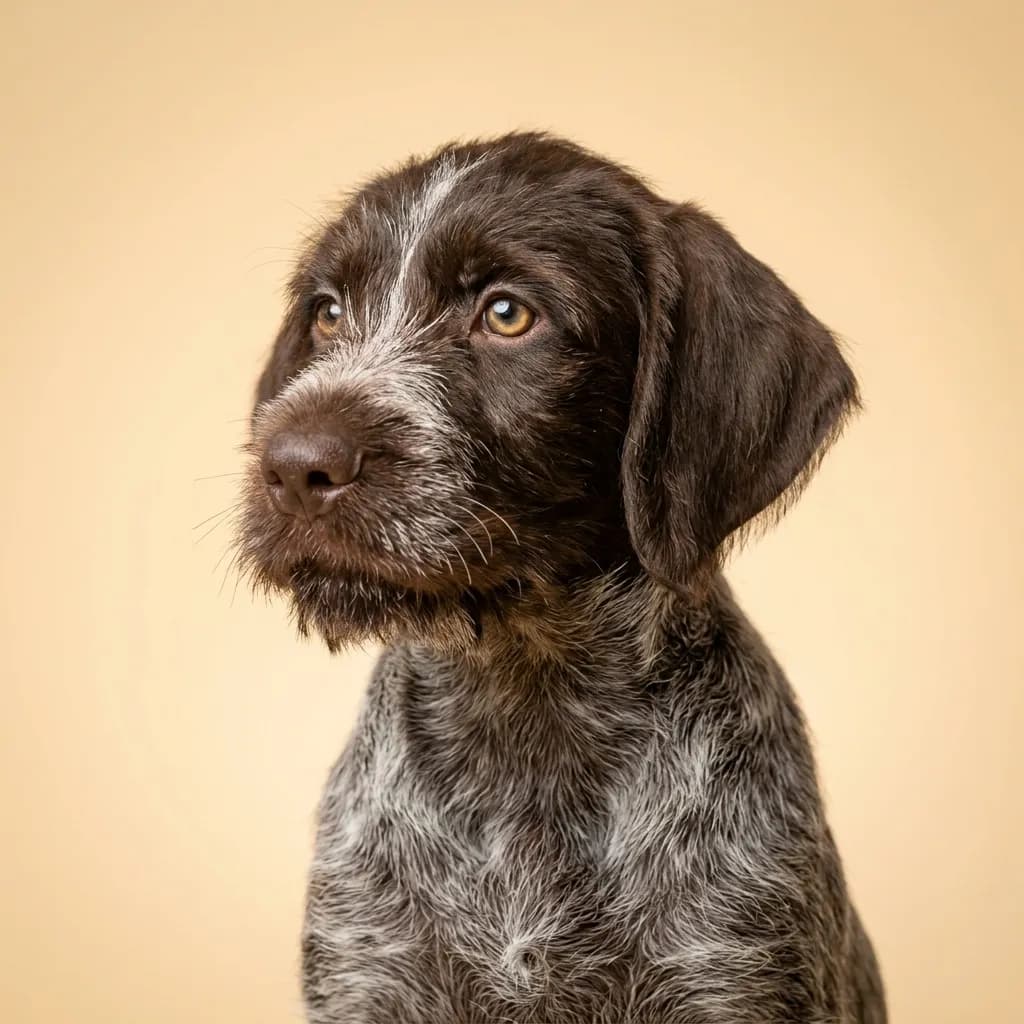
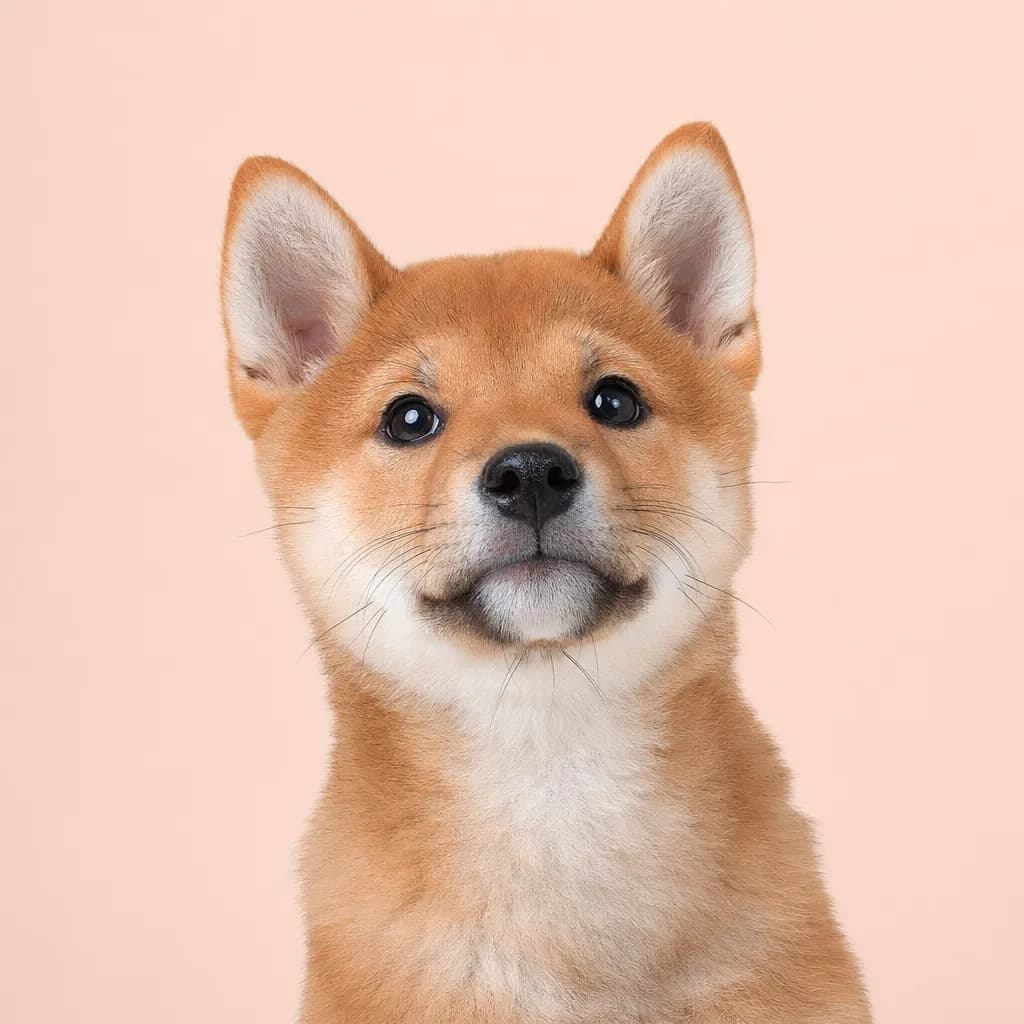
You’re probably comparing these two because you want a dog that’s bold, independent, and doesn’t shed like a snowstorm. Maybe you’ve seen both online. compact and fox-faced, one a rugged hunter, the other a stoic little warrior. and thought they look kind of similar. But that’s where the similarity ends. The German Wirehaired Pointer is a full-throttle outdoor machine. Think muddy boots, bird vests, weekend hikes. This dog lives to work. It’s deeply affectionate with its family but needs jobs, space, and hours of activity. You’ll love its trainability and loyalty, but if you live in a condo or work 9-to-5, you’ll be miserable. It’s not stubborn. it’s driven. And if it’s bored, it’ll redecorate your garden. The Shiba Inu, meanwhile, is the dog that watches you like you’re the odd one. It grooms itself like a cat, keeps its space, and will tolerate your affection on its terms. It’s not untrainable, but it’s selective. “I’ll sit… if I feel like it.” Great for someone who appreciates quiet confidence, but don’t expect a tail-wagging greeter at the door. And while it’s small, it’s not easy. That independence means recall? Forget it. Squirrels are forever. Families wanting an adventure buddy should go Pointer. Those who want a compact, clean(ish), low-drama companion and understand canine aloofness? Shiba. Here’s the real talk: the Shiba’s affection score might say 5/5, but it’s a 5/5 on its own schedule. The Pointer gives you love freely. but only if you’ve earned it through activity. One demands time. The other demands understanding. Pick based on which you’re ready to give.
Trait-by-trait
Higher bar = more of that trait. Shedding, barking, drooling, grooming flipped for readability.Where they diverge
Choose the German Wirehaired Pointer if…
- Hunters
- Active families
- Dog sports participants
- You value trainability — German Wirehaired Pointer scores noticeably higher.
Choose the Shiba Inu if…
- Experienced dog owners
- Those wanting a cat-like independence
- Active owners
- You value watchdog / protective — Shiba Inu scores higher here.