Glen of Imaal Terrier vs Keeshond
Side-by-side comparison across all 14 AKC trait ratings, with a clear verdict on which breed fits which kind of household.

Not sure which breed fits your life?
Answer five questions about your home, your schedule, and your tolerance for shedding. We’ll match you to your top three breeds from over 200.
Glen of Imaal Terrier vs Keeshond
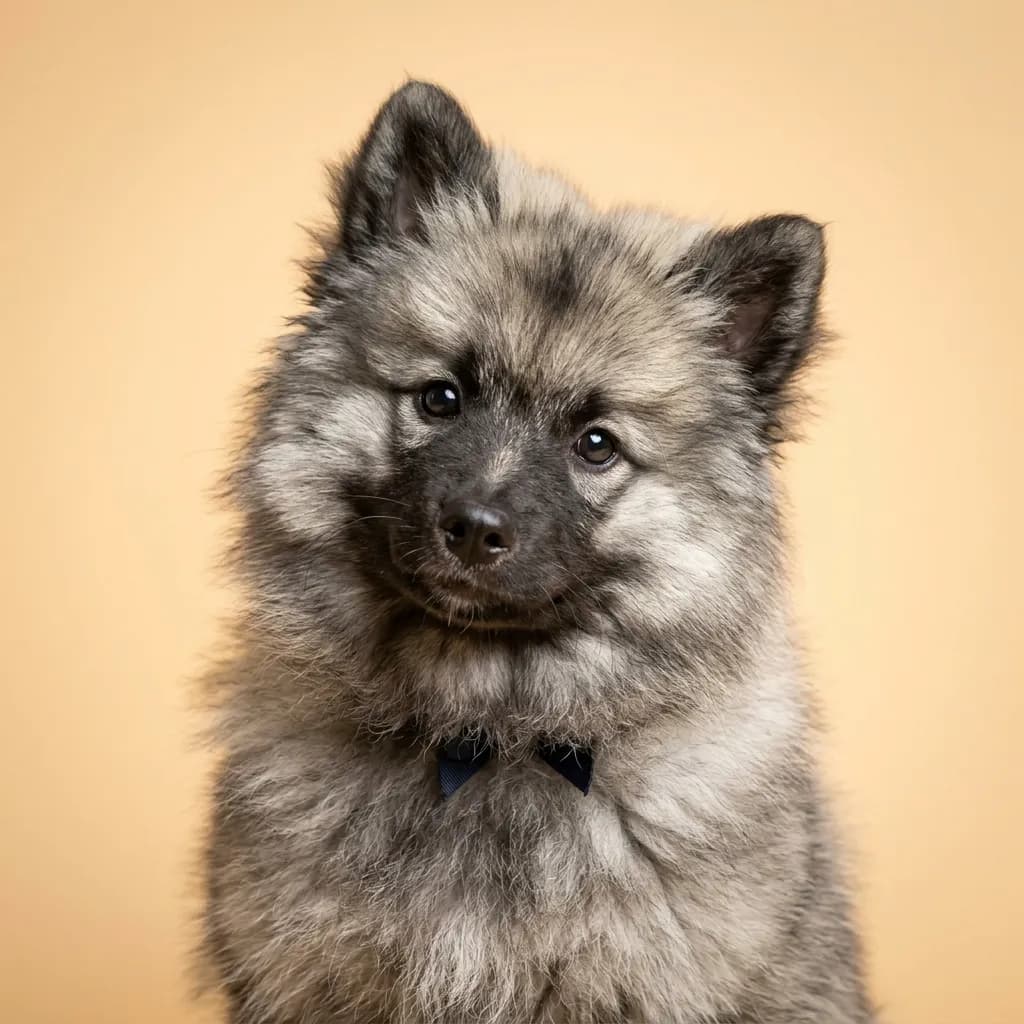
People compare the Glen of Imaal Terrier and Keeshond because both are mid-sized, surprisingly family-friendly dogs with thick coats and big personalities. But that’s where the similarities end. If you’re torn between them, you’re really deciding between a quiet, sturdy earthdog with a stubborn streak and a talkative, fluffy watchdog who wants to be your shadow. The Glen is a terrier through and through. stocky, low to the ground, built to dig and endure. He’s affectionate with his people, yes, but he won’t follow you from room to room like the Keeshond will. That little guy was bred to alert on canal boats, so he’s got opinions and isn’t afraid to bark. If you live in an apartment and hate noise, the Keeshond might wear you down. But if you want a dog that bonds deeply with kids and thrives on routine and training, he’s a dream. He’s also the social butterfly; the Glen would rather nap in the sun after a good chew toy session. The real difference? Energy type. The Keeshond needs daily engagement. walks, games, training. The Glen’s happy with a moderate walk and a puzzle toy, but he’ll test your patience if you’re not experienced with terrier independence. He’s not as easy to train, and he might ignore you if something more interesting comes along. Here’s the insight no one talks about: the Keeshond’s need for closeness can become separation anxiety if you’re out all day. The Glen, while affectionate, is more self-contained. If you work long hours, the Glen might actually be the better companion. not because he’s aloof, but because he’s built for quiet resilience. Pick the Keeshond if you want a dog who feels like family. Pick the Glen if you want a loyal friend who won’t demand constant attention.
Trait-by-trait
Higher bar = more of that trait. Shedding, barking, drooling, grooming flipped for readability.Where they diverge
Choose the Glen of Imaal Terrier if…
- Experienced terrier owners
- Families with older children
- Apartment or small home living
Choose the Keeshond if…
- Families with children
- Active owners
- Cold climates
- You value good with young children — Keeshond scores higher here.