Great Pyrenees vs Harrier
Side-by-side comparison across all 14 AKC trait ratings, with a clear verdict on which breed fits which kind of household.
Not sure which breed fits your life?
Answer five questions about your home, your schedule, and your tolerance for shedding. We’ll match you to your top three breeds from over 200.
Great Pyrenees vs Harrier
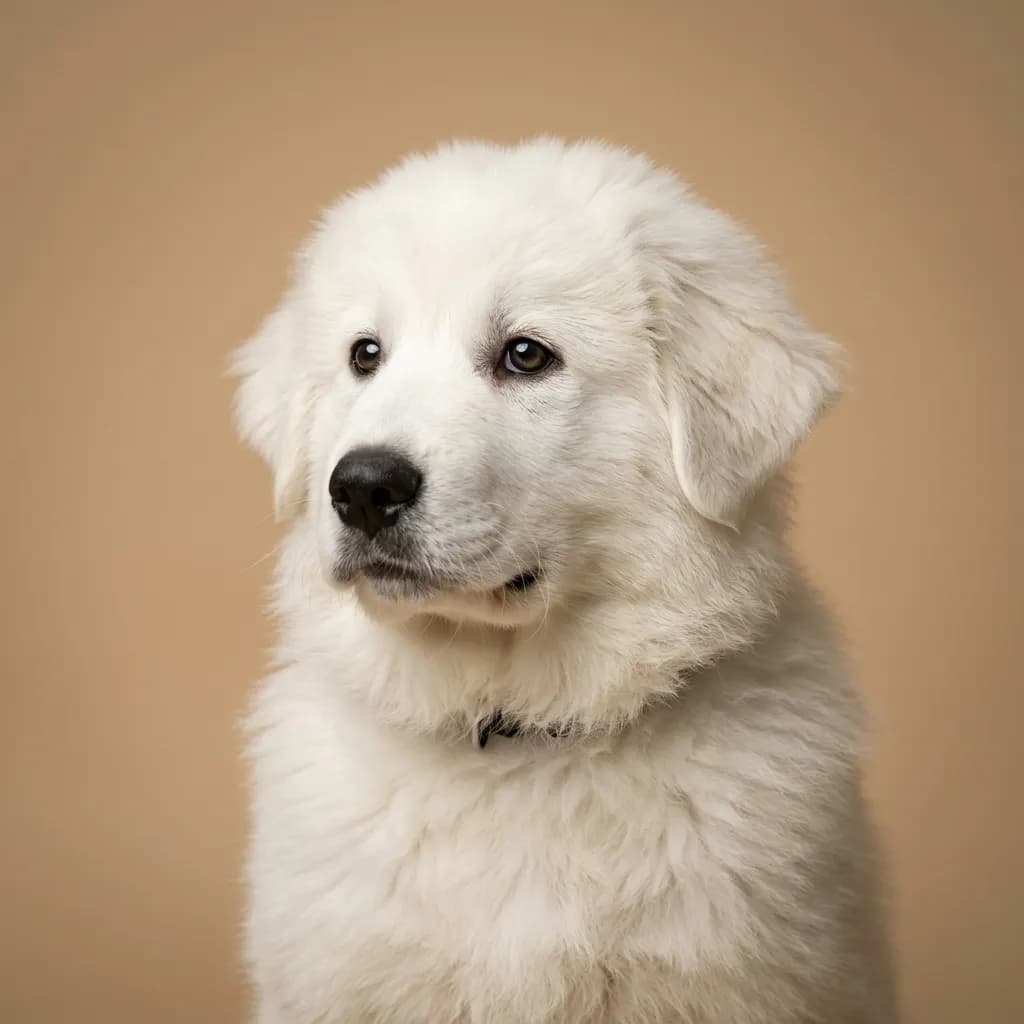
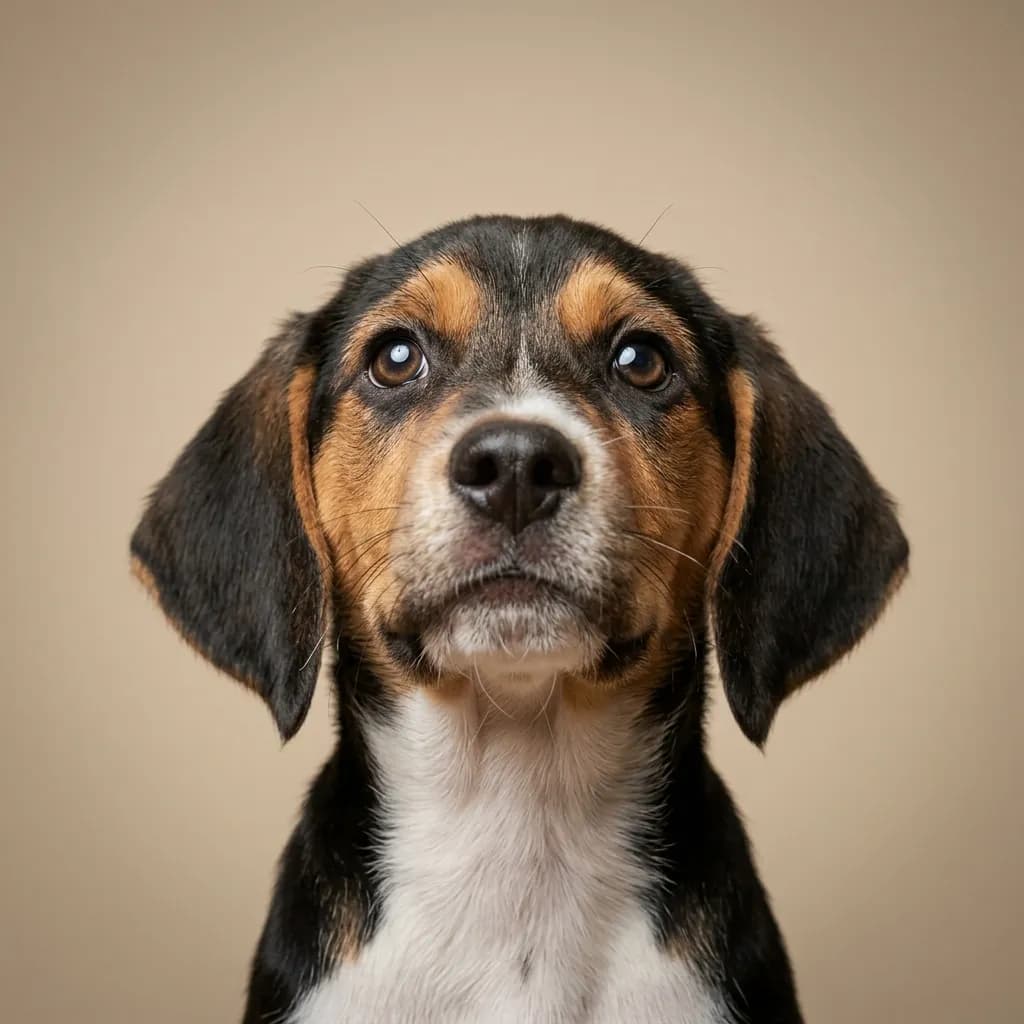
You’re not going to see a Great Pyrenees and a Harrier side by side at the dog park often, but people do compare them. usually because they’re picturing a big, friendly family dog that can handle the outdoors. That’s where the similarity ends. One of these breeds watches over the flock from a mountaintop, the other chases dinner across open fields. They’re both gentle with kids and loyal to their people, but their rhythms are totally different. The Great Pyrenees is the calm in the storm. At 100 pounds of thick-coated white fluff, this dog was born to patrol a farm at night, making decisions independently, barking at coyotes, and tolerating brutal winters. They’re deeply affectionate but not always responsive. If you want a dog that comes when called, this isn’t your breed. They’re smart but stubborn, and their energy is more about presence than play. The Harrier is motion in a loop. Think of a foxhound’s energy with a little less bark and a lot more nose. Built for hours of hunting hare in packs, they’re social, upbeat, and thrive on routine activity. They’re smaller, sure, but their drive is real. Leave them alone or inactive and they’ll find their own job. usually involving howling or dismantling your backyard. Choose the Pyrenees if you have space, a rural setting, and need a stoic guardian. Choose the Harrier if you hike, hunt, or want a dog that’s always ready for the next adventure. Here’s the thing most people miss: the Pyrenees isn’t lazy, they’re efficient. And the Harrier isn’t just energetic. they need purpose. Get that wrong, and you’ll end up with a barker or a digger. Get it right, and both are deeply loyal, just in very different keys.
Trait-by-trait
Higher bar = more of that trait. Shedding, barking, drooling, grooming flipped for readability.Where they diverge
Choose the Great Pyrenees if…
- Livestock guardians
- Rural or farm living
- Families with children
- You value watchdog / protective — Great Pyrenees scores noticeably higher.
Choose the Harrier if…
- Active families
- Hunters
- Rural living
- You value good with young children — Harrier scores higher here.