Great Pyrenees vs Irish Setter
Side-by-side comparison across all 14 AKC trait ratings, with a clear verdict on which breed fits which kind of household.
Not sure which breed fits your life?
Answer five questions about your home, your schedule, and your tolerance for shedding. We’ll match you to your top three breeds from over 200.
Great Pyrenees vs Irish Setter
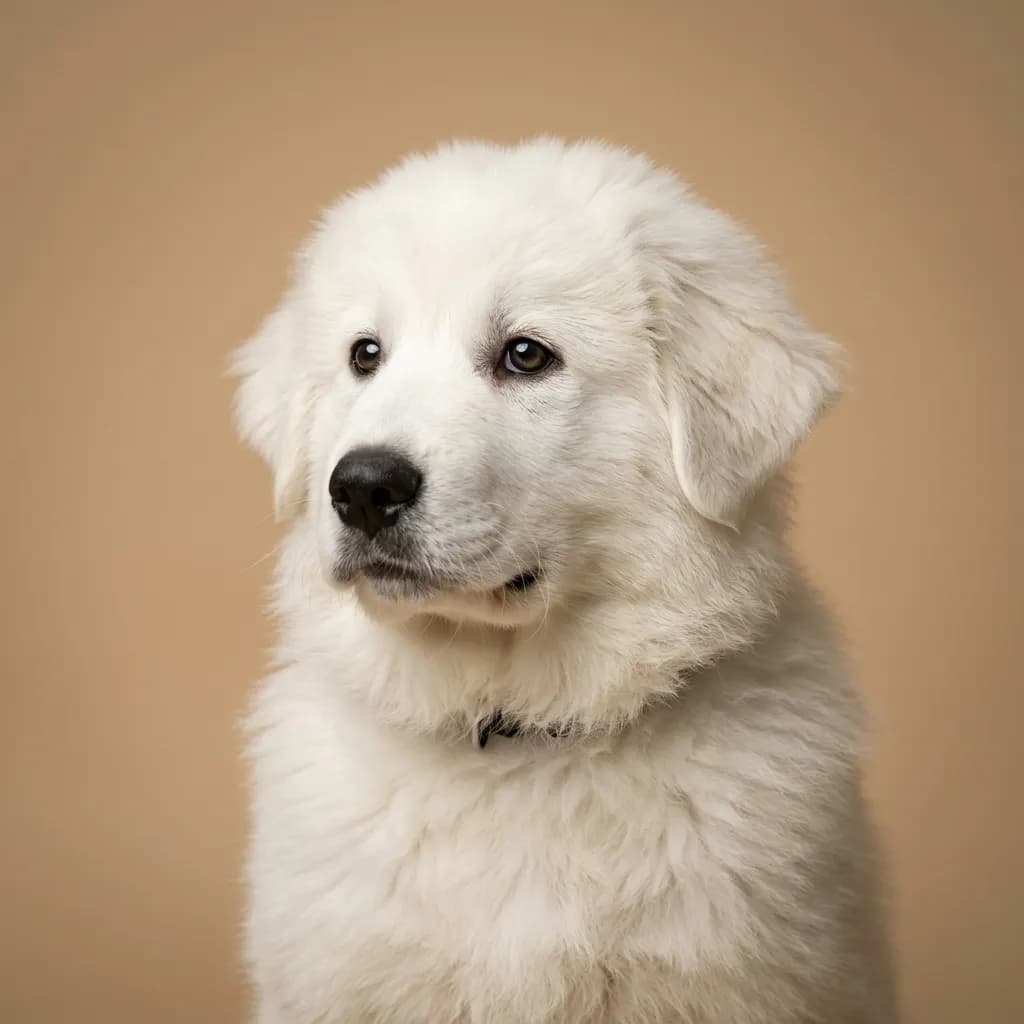
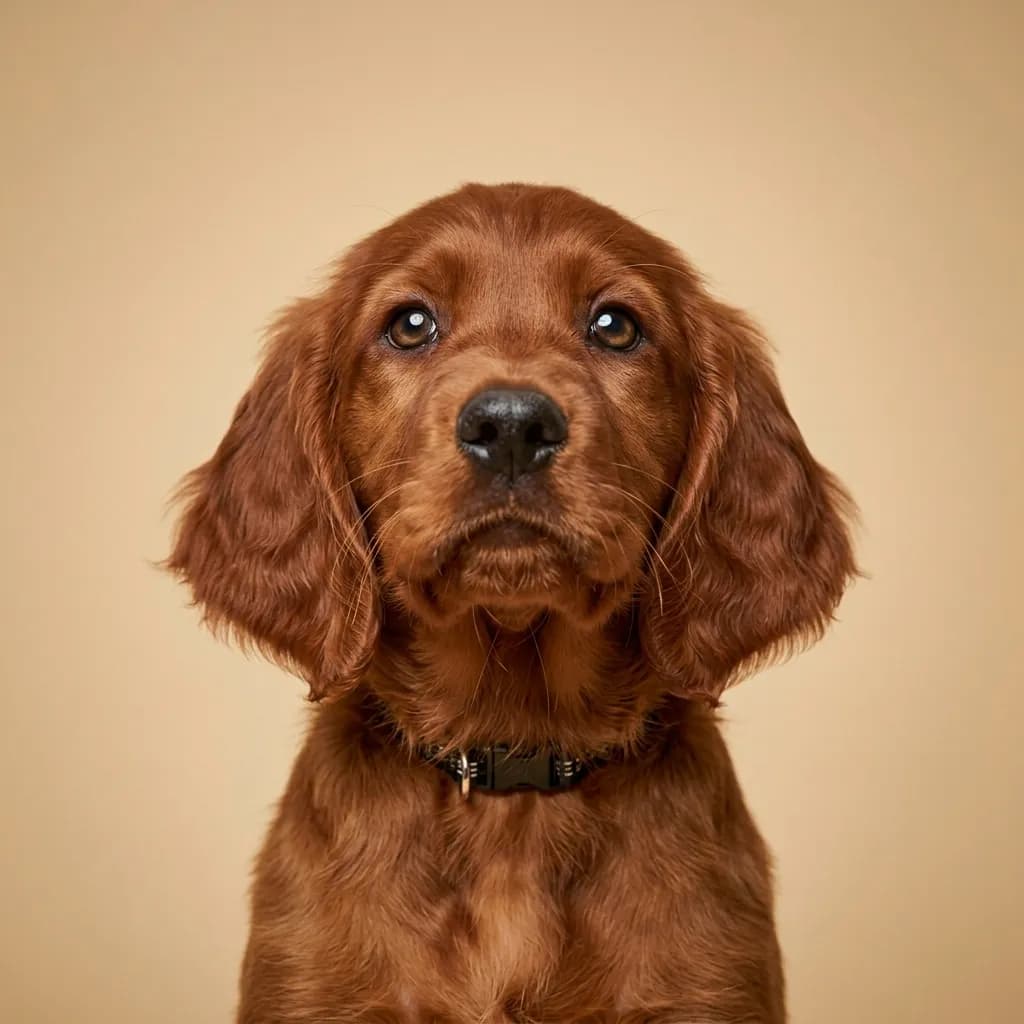
People compare Great Pyrenees and Irish Setters because they’re both big, beautiful, red-coated dogs that look like they belong on a farm or in a family photo. But that’s where the similarities end. Think of it this way: one was built to stand alone on a mountaintop in a blizzard, watching for wolves. The other was made to sprint across open fields at full tilt, nose to the wind, chasing birds all day. They’re both loyal and affectionate, sure, but their energy comes from entirely different places. The Great Pyrenees is a calm, steady guardian. It’s not hyper, but don’t mistake that for laziness. This dog has a job. watch, protect, decide. It’s independent to a fault, which means it won’t come when called just because you ask. You need a yard with a fence, and I mean a real fence. And good luck in summer; that thick double coat turns your dog into a portable sauna. But if you’ve got space, kids, and a few acres, they’re gentle giants who’ll patrol the perimeter like a furry security system. The Irish Setter? It’s the opposite kind of commitment. This dog lives to move. It’s goofy, affectionate, and needs hours of exercise. Not long walks. actual running, playing, hunting, or dog sports. A fenced yard is non-negotiable, but not enough. If you’re not active, this dog will turn your home into a demolition zone out of boredom. But get it moving, and you’ve got a grinning, red-haired partner who’ll bond hard and stay sweet-tempered. Here’s the real insight: the Pyrenees isn’t a pet, it’s a working animal who tolerates your family. The Irish Setter is a dog who wants to be part of your adventures, every single one. Pick based on whether you need a sentinel or a sidekick.
Trait-by-trait
Higher bar = more of that trait. Shedding, barking, drooling, grooming flipped for readability.Where they diverge
Choose the Great Pyrenees if…
- Livestock guardians
- Rural or farm living
- Families with children
- You value watchdog / protective — Great Pyrenees scores noticeably higher.
Choose the Irish Setter if…
- Active families
- Hunters
- Outdoors enthusiasts
- You value good with young children — Irish Setter scores higher here.