Great Pyrenees vs Miniature Pinscher
Side-by-side comparison across all 14 AKC trait ratings, with a clear verdict on which breed fits which kind of household.
Not sure which breed fits your life?
Answer five questions about your home, your schedule, and your tolerance for shedding. We’ll match you to your top three breeds from over 200.
Great Pyrenees vs Miniature Pinscher
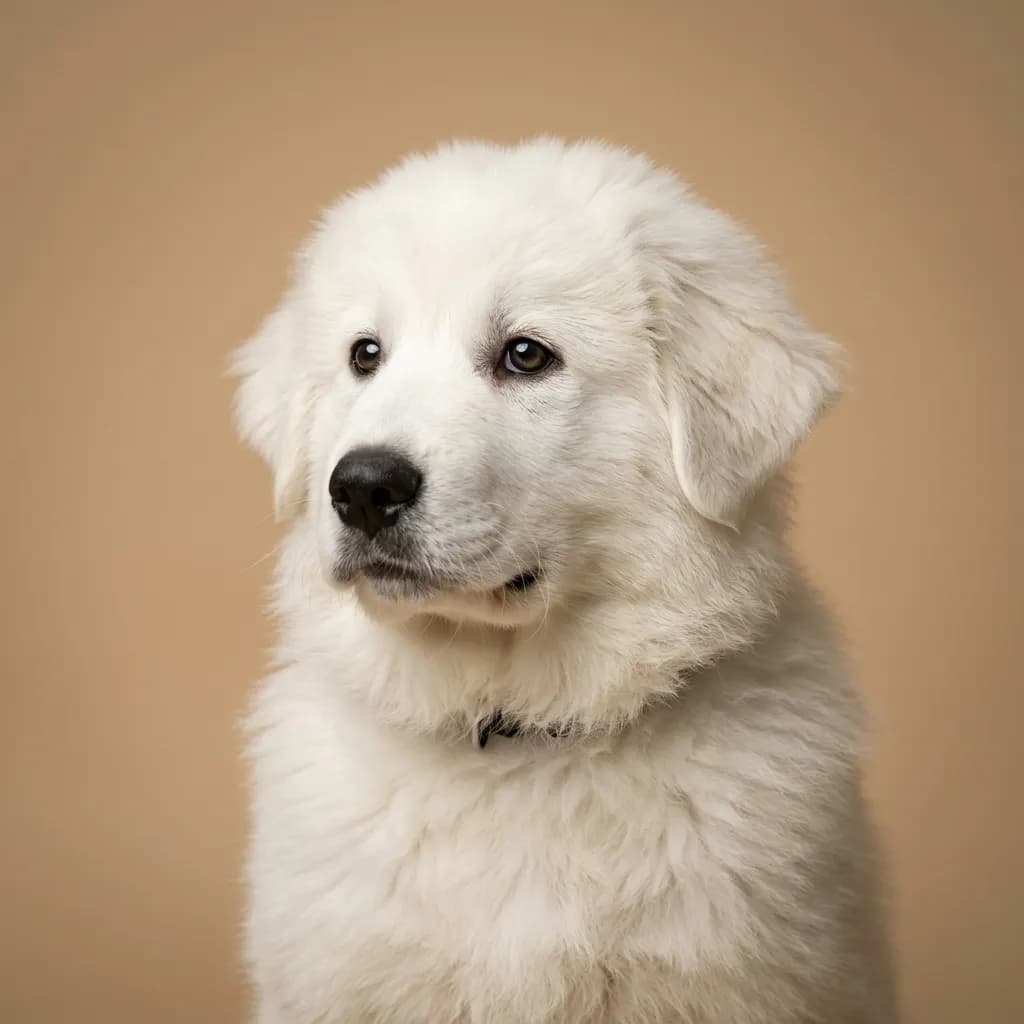
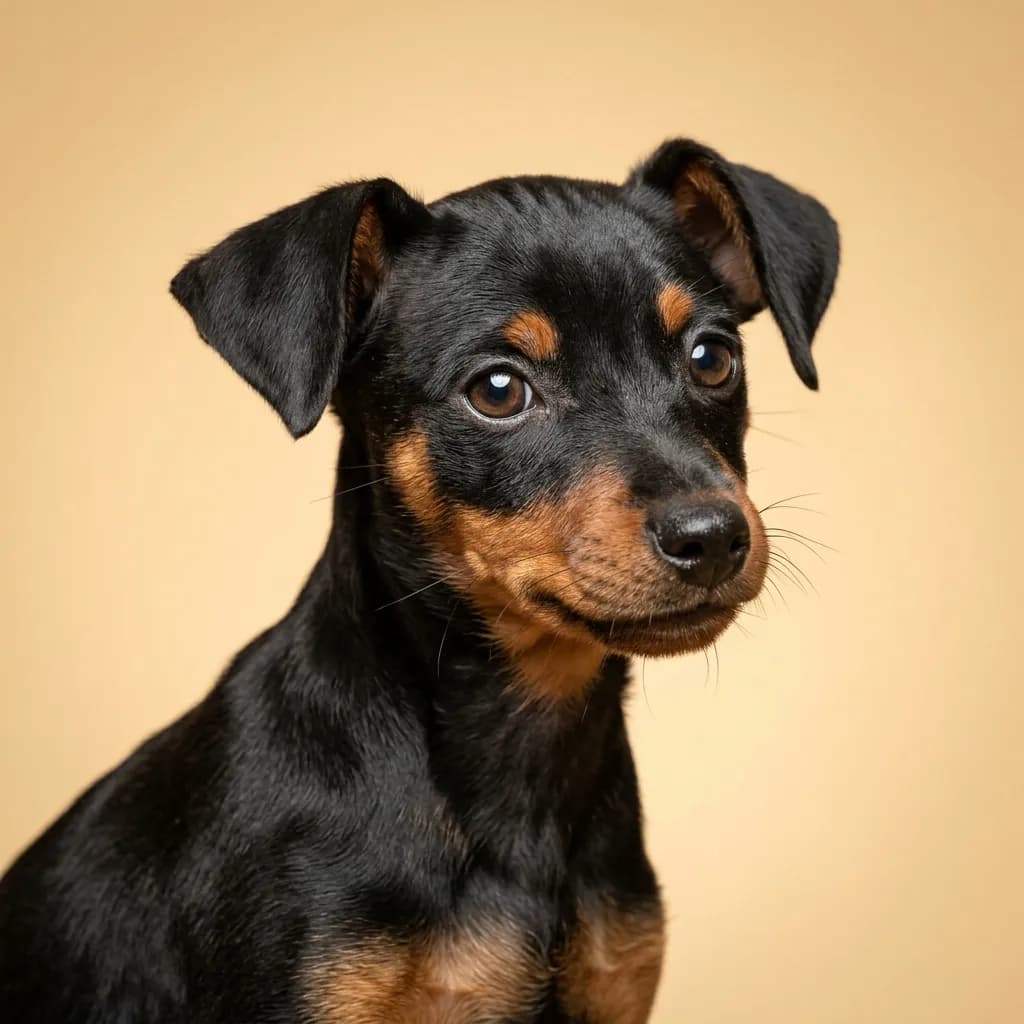
People don’t usually compare a Great Pyrenees and a Miniature Pinscher. until they’re deep in the dog research rabbit hole, trying to figure out what kind of companion fits their life. On paper, they’re opposites. In reality, people are drawn to both for the same reason: loyalty. But how that loyalty shows up couldn’t be more different. The Great Pyrenees is the silent mountain guardian, a 100-pound cloud of fluff who’ll lie in the snow just to keep an eye on your sheep. or your kids. They’re calm, deeply affectionate, and built for cold, open spaces. You’ll need a yard, a climate that doesn’t break 85°F, and the patience to manage their moderate shedding and bloat risk. They’re not obedience champs, but they’re smart in their own steady way. If you want a dog that bonds with your whole family and watches over them like a knight, this is your breed. The Miniature Pinscher is the tiny daredevil in a shiny coat, all torque and turbo. Don’t let the 10-pound frame fool you. this dog thinks it’s ten times bigger. They’re bold, alert, and bark at everything, making them great little watchdogs. But they’re not for households with toddlers or anyone wanting a mellow lap dog. They need mental stimulation and consistent training. They thrive in apartments, but only if you’re active and experienced. Here’s the real insight: the Pyrenees gives you presence without demand. The Min Pin demands attention despite its size. Choose the Pyrenees if you want a serene guardian. Choose the Min Pin if you want a pocket-sized personality that refuses to be ignored.
Trait-by-trait
Higher bar = more of that trait. Shedding, barking, drooling, grooming flipped for readability.Where they diverge
Choose the Great Pyrenees if…
- Livestock guardians
- Rural or farm living
- Families with children
- You value drooling level — Great Pyrenees scores noticeably higher.
Choose the Miniature Pinscher if…
- Active owners
- Apartment living with proper exercise
- Experienced small-dog owners
- You value energy level — Miniature Pinscher scores higher here.