Great Pyrenees vs Mountain Cur
Side-by-side comparison across all 14 AKC trait ratings, with a clear verdict on which breed fits which kind of household.
Not sure which breed fits your life?
Answer five questions about your home, your schedule, and your tolerance for shedding. We’ll match you to your top three breeds from over 200.
Great Pyrenees vs Mountain Cur
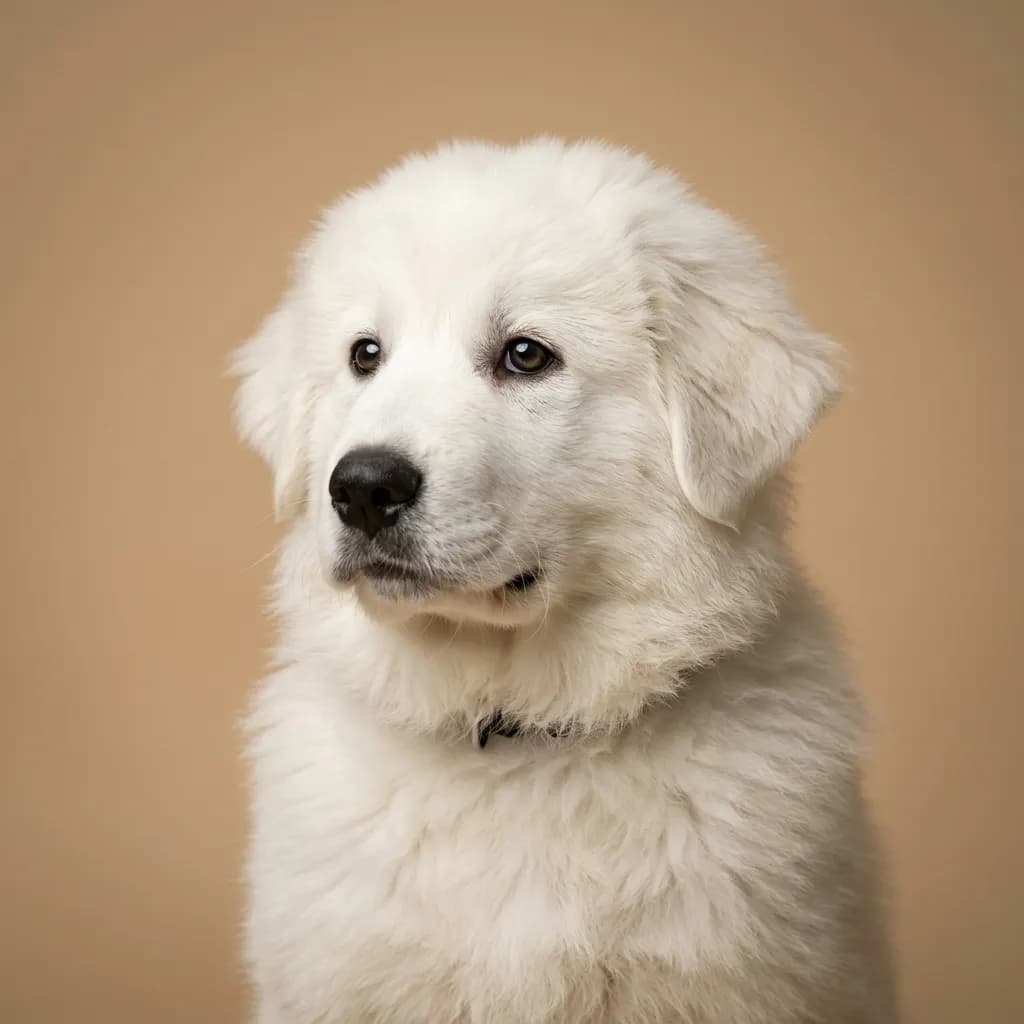
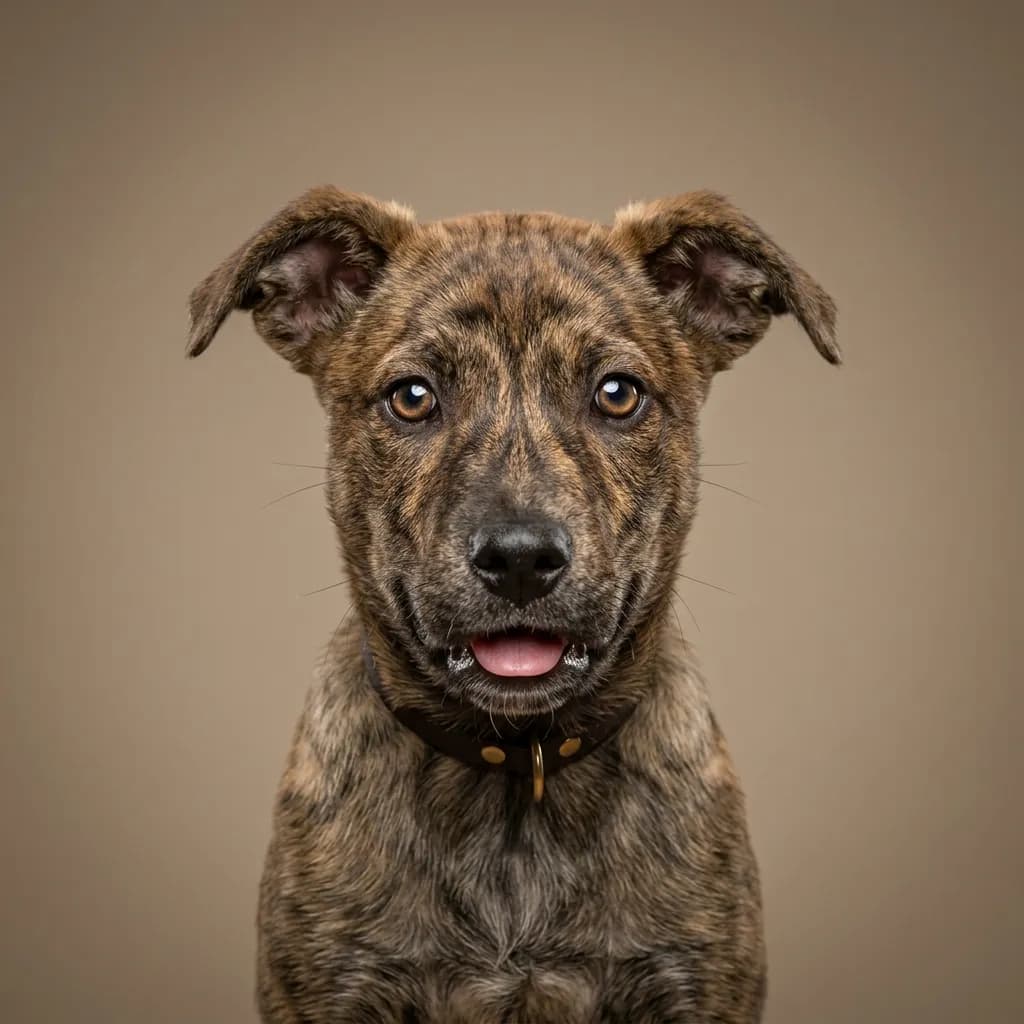
People toss these two breeds into the same conversation because they’re both big, rugged, and built for serious outdoor work in rough terrain. But that’s where the similarities end. Think of the Great Pyrenees as the calm, watchful monk of the mountains. massive, serene, built to stand alone in a snowstorm guarding sheep all night without flinching. Then picture the Mountain Cur: leaner, quicker, all coiled energy, bred to chase down raccoons and wild boar through dense woods. They’re both loyal and tough, but their rhythms are completely different. If you want a dog that moves with purpose, needs real mental challenges, and thrives when working alongside you. especially if you hunt or hike deep in the backcountry. the Mountain Cur might be your match. They’re not for the faint of heart. Strong-willed, alert, and always tuned in, they demand an experienced hand. You’ll need time, consistency, and an active lifestyle to keep them balanced. The Great Pyrenees, on the other hand, is more of a peaceful guardian. They’re deeply affectionate with their family, patient with kids, and happiest when they have a wide yard or pasture to patrol. But don’t expect reliable recall. Once they’re on a mission. like chasing off a perceived threat at 2 a.m.. good luck calling them back. Here’s the real talk: the Pyrenees looks like a gentle giant, but they’re independent to a fault. The Cur seems intense, but they bond fiercely to their person. Pick the Pyrenees if you want a stoic protector in a fluffy coat. Pick the Cur if you want a driven partner in the wild. Neither will live happily in a city apartment. And neither will tolerate being treated like a decor piece. They’re workers. Always have been.
Trait-by-trait
Higher bar = more of that trait. Shedding, barking, drooling, grooming flipped for readability.Where they diverge
Choose the Great Pyrenees if…
- Livestock guardians
- Rural or farm living
- Families with children
- You value watchdog / protective — Great Pyrenees scores noticeably higher.
Choose the Mountain Cur if…
- Active outdoor owners
- Hunters
- Rural or farm settings
- You value energy level — Mountain Cur scores higher here.