Great Pyrenees vs Saint Bernard
Side-by-side comparison across all 14 AKC trait ratings, with a clear verdict on which breed fits which kind of household.
Not sure which breed fits your life?
Answer five questions about your home, your schedule, and your tolerance for shedding. We’ll match you to your top three breeds from over 200.
Great Pyrenees vs Saint Bernard
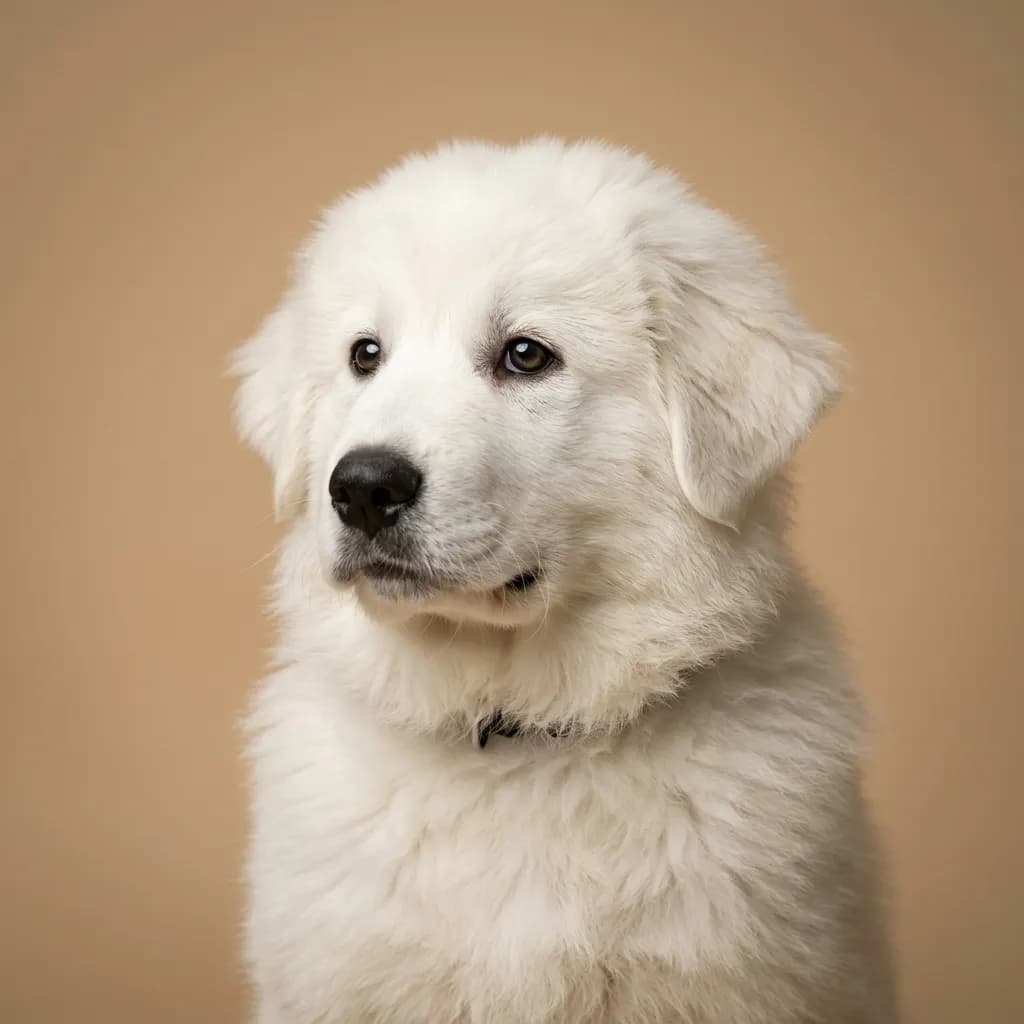
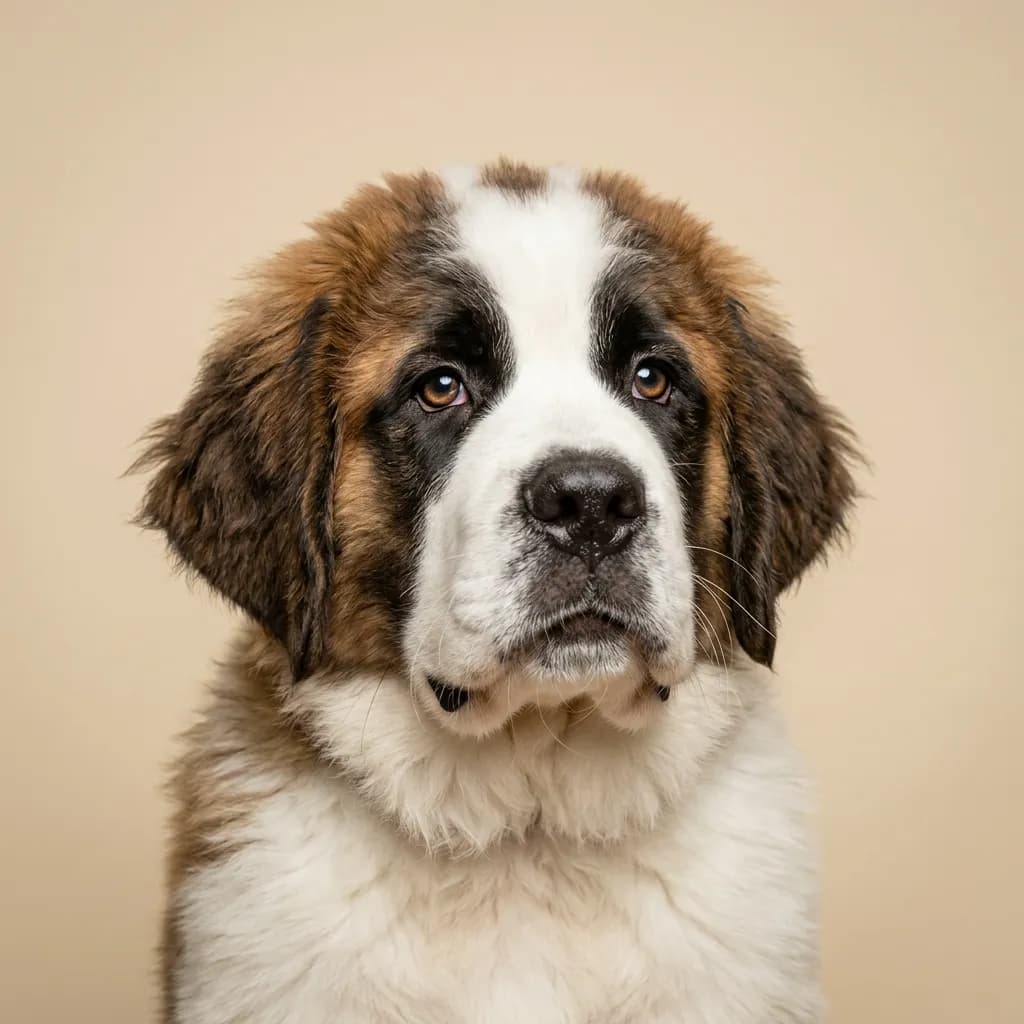
People often toss the Great Pyrenees and Saint Bernard into the same pile because they’re both giant, fluffy, snow-ready dogs with gentle reputations. But if you’ve lived with either. or better, both. you’d know they’re built for very different kinds of love and labor. The Pyrenees was shaped by solitude, bred to patrol mountain passes alone, watching over flocks through bitter nights. That independence lingers. They’re calm, yes, and deeply affectionate with their family, but they’ll think twice before obeying. Training requires patience, and recall? Forget it. They’re smart in a quiet, observant way, but they were never meant to impress at obedience trials. You’ll need a yard, a fence, and a tolerance for fur on everything. The Saint Bernard, though, was a team player from the start. rescuing stranded travelers in the Alps, often working in pairs. That shows in their temperament. They’re charming, eager to please in their lumbering way, and famously good with kids. They don’t bark much, which surprises people, but they drool like a leaky faucet and will knock over your coffee table without meaning to. They adapt better to suburban life than the Pyrenees, but hot weather still wrecks them. Lifespan is a gut punch: Saint Bernards are lucky to hit 10 years, often gone before you’re ready. Pyrenees usually stick around a bit longer. Both are prone to bloat and joint issues, so quality food and careful feeding matter. Here’s the truth no one puts in the brochures: the Saint Bernard wants to be your shadow. The Great Pyrenees will love you just as much, but on their terms. If you need a dog who follows you like a furry shadow, go Saint Bernard. If you want a quiet guardian who watches over your world like a mountain sentinel, the Pyrenees is your breed.
Trait-by-trait
Higher bar = more of that trait. Shedding, barking, drooling, grooming flipped for readability.Where they diverge
Choose the Great Pyrenees if…
- Livestock guardians
- Rural or farm living
- Families with children
- You value barking level — Great Pyrenees scores noticeably higher.
Choose the Saint Bernard if…
- Families with children
- Those wanting a gentle giant
- Cold climate households
- You value good with young children — Saint Bernard scores higher here.