Great Pyrenees vs Spinone Italiano
Side-by-side comparison across all 14 AKC trait ratings, with a clear verdict on which breed fits which kind of household.
Not sure which breed fits your life?
Answer five questions about your home, your schedule, and your tolerance for shedding. We’ll match you to your top three breeds from over 200.
Great Pyrenees vs Spinone Italiano
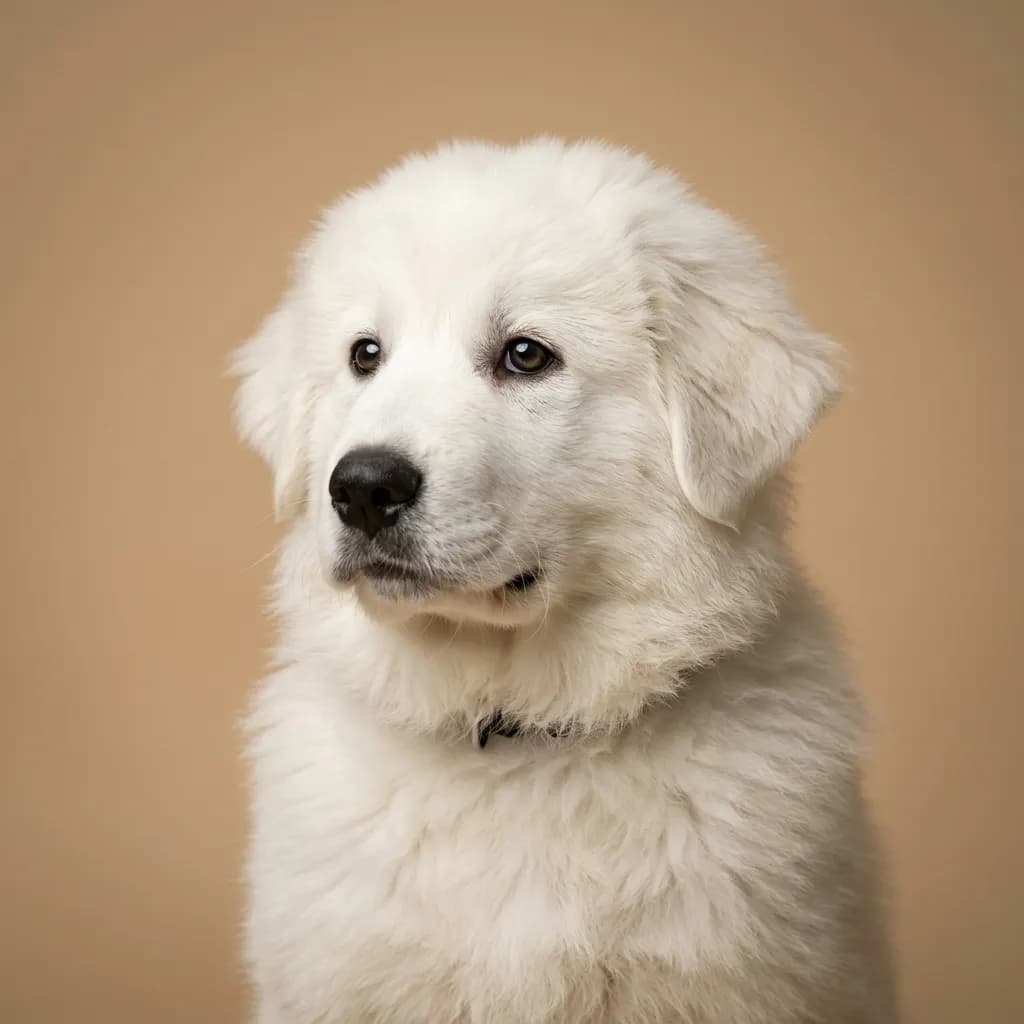
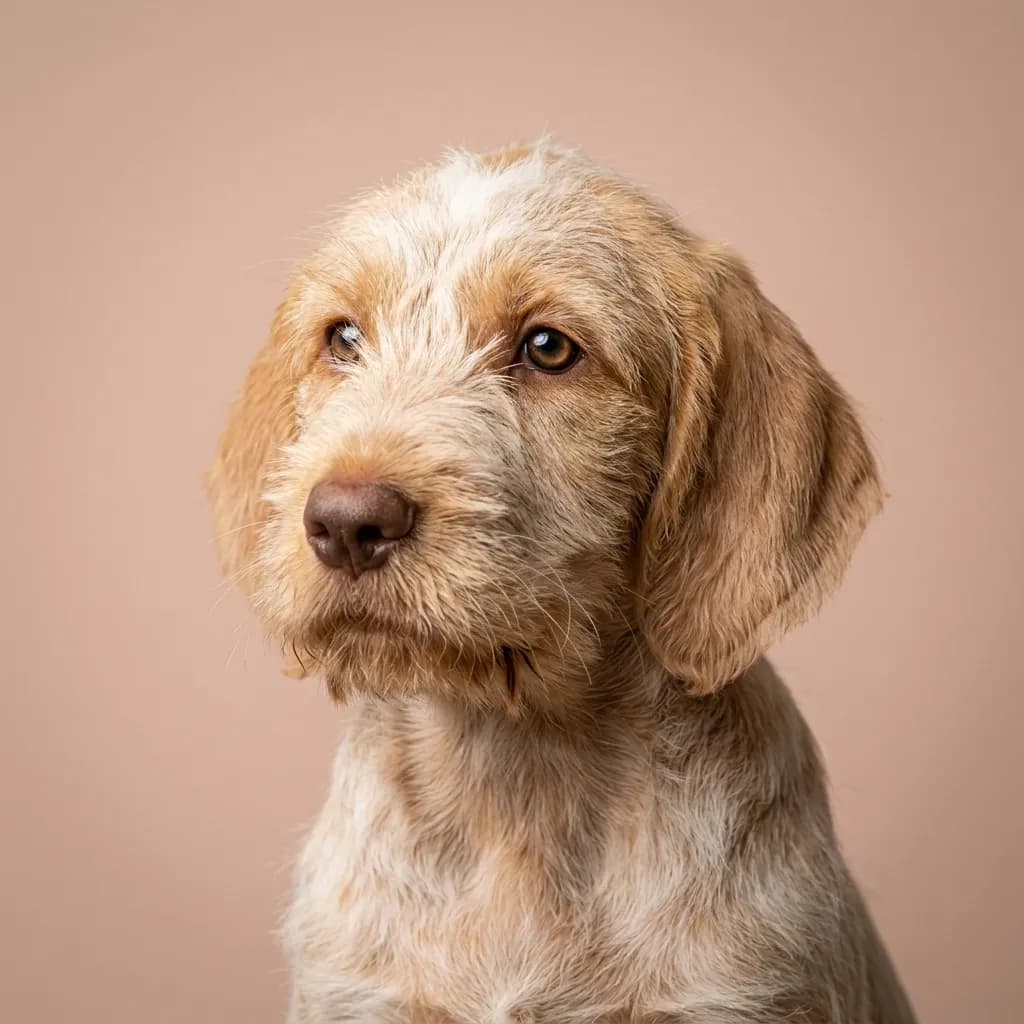
People compare Great Pyrenees and Spinone Italianos because both are big, gentle, family-friendly dogs with that "old soul" vibe. They’re patient with kids, love being part of the household, and neither will turn into a barky tornado. But behind the sweet expressions, they’re built for very different lives. The Great Pyrenees is a mountain fortress of a dog. massive, independent, and wired to patrol. It was born to guard flocks in freezing, remote terrain, which means it’s calm indoors but needs space to roam at night. You don’t train a Pyrenees so much as negotiate with it. They’re affectionate, yes, and deeply loyal, but don’t expect a recall after 6 p.m. They’ll hear you, they just might decide something else matters more. And that thick double coat? It sheds year-round and needs weekly upkeep, especially if you live somewhere with seasons. The Spinone, on the other hand, is a soft-hearted hunter from the Italian hills. Less imposing in size, with floppy ears and a wiry coat that’s low-shed but high-drool. They’re eager to please, more trainable than the Pyrenees, and actually come when called. because they genuinely want to be where you are. They thrive with activity, not just space. A Spinone stuck in a sedentary home will turn restless. But give them hikes, bird-scented fields, or even a flirt pole in the yard, and they’re golden. If you’re on a farm in Montana and need a dog that’ll work solo at night, go Pyrenees. If you’re in a suburban home with weekend hikes and want a dog that bonds deeply and listens, the Spinone’s your match. Here’s the real talk: the Great Pyrenees looks like a fairy tale dog. But it’s the Spinone that’s more likely to feel like your best friend.
Trait-by-trait
Higher bar = more of that trait. Shedding, barking, drooling, grooming flipped for readability.Where they diverge
Choose the Great Pyrenees if…
- Livestock guardians
- Rural or farm living
- Families with children
- You value watchdog / protective — Great Pyrenees scores noticeably higher.
Choose the Spinone Italiano if…
- Active hunting families
- Those wanting a gentle, patient breed
- Families with children
- You value good with other dogs — Spinone Italiano scores higher here.