Great Pyrenees vs Weimaraner
Side-by-side comparison across all 14 AKC trait ratings, with a clear verdict on which breed fits which kind of household.
Not sure which breed fits your life?
Answer five questions about your home, your schedule, and your tolerance for shedding. We’ll match you to your top three breeds from over 200.
Great Pyrenees vs Weimaraner
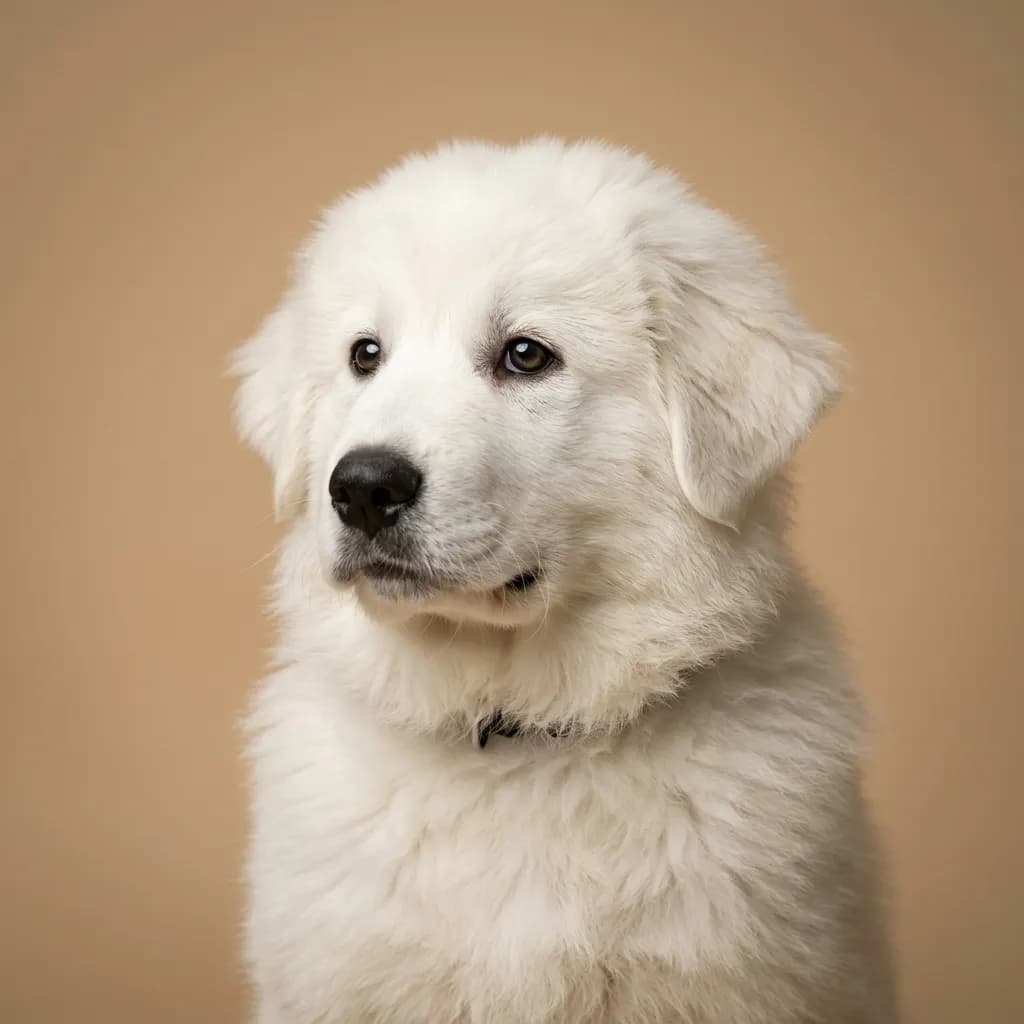
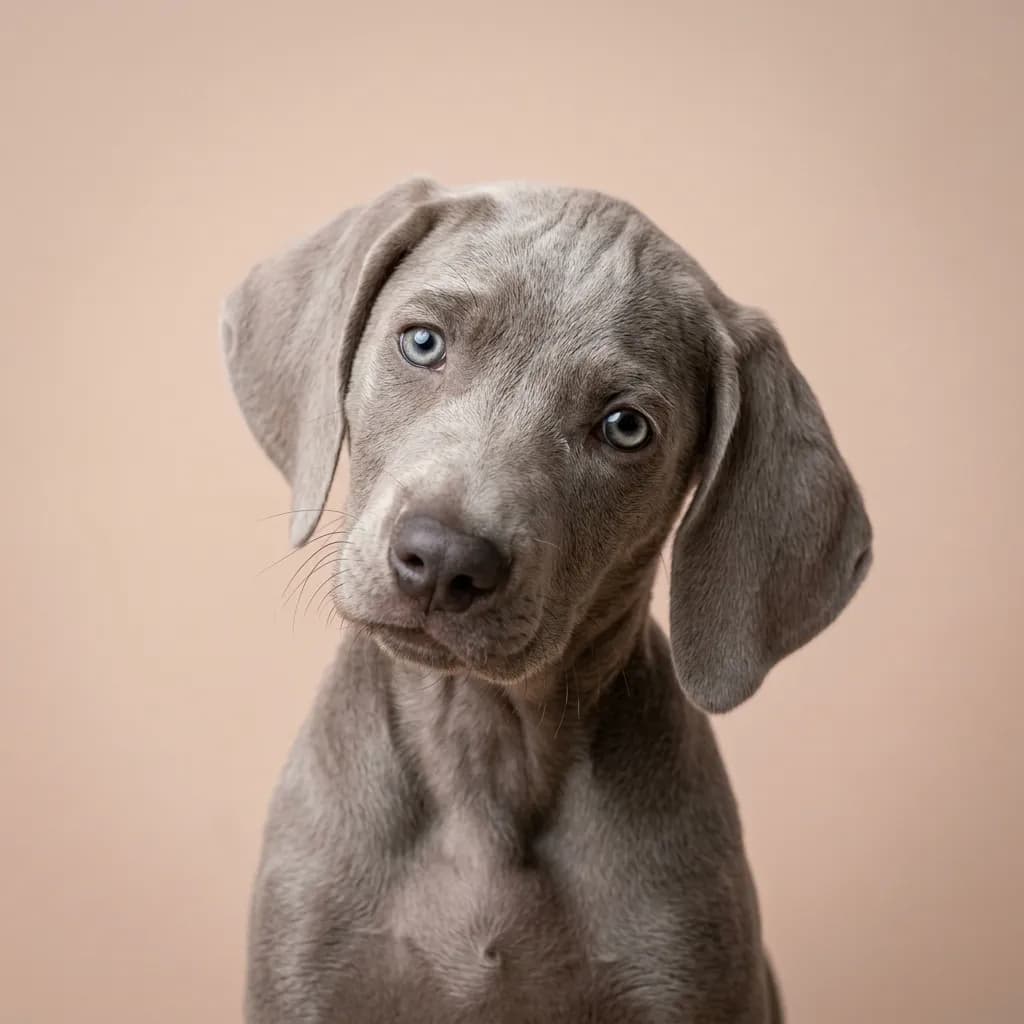
You don’t see Great Pyrenees and Weimaraners in the same conversation often, but they pop up together when people are looking for a big, loyal dog who loves the family and can handle outdoor life. That’s where the similarities end. and the decision gets real. The Great Pyrenees is the calm guardian who watches from the porch at dusk, built for cold mountain nights and quiet vigilance. He’s not chasing squirrels; he’s assessing threats. Bred to guard sheep solo in the Pyrenees, he’s independent, deeply affectionate with his people, and slow to react. which means training takes patience. He’ll shed heavily and drool on your sweater, but he won’t ask for much except space, cool temps, and a job to do. If you live on acreage and want a living fence for your livestock or peace of mind at night, he’s gold. The Weimaraner, though? He’s all motion. Sleek, silver-eyed, and built like a race car, this dog needs a daily outlet for his energy and intelligence. He was bred to track boar and retrieve birds all day, so if you’re a runner, hiker, or hunter, he’s your shadow. He bonds fiercely to his person, can be velcro-like, and without enough mental and physical work, he’ll redecorate your couch out of sheer boredom. Not because he’s stubborn. he’s brilliant. but he’ll out-think you if you’re not consistent. Here’s the truth beyond the numbers: the Pyrenees forgives your off days. The Weimaraner feels them. If you’re gone eight hours a day or hate dog sports, skip the Weimie. If you want a calm protector and don’t mind shedding, the Pyrenees fits. But if you want a high-energy partner in adventure and can lead confidently, the Weimaraner will give you everything.
Trait-by-trait
Higher bar = more of that trait. Shedding, barking, drooling, grooming flipped for readability.Where they diverge
Choose the Great Pyrenees if…
- Livestock guardians
- Rural or farm living
- Families with children
- You value drooling level — Great Pyrenees scores noticeably higher.
Choose the Weimaraner if…
- Active families with space
- Hunters
- Runners and hikers
- You value good with young children — Weimaraner scores higher here.