Greyhound vs Pekingese
Side-by-side comparison across all 14 AKC trait ratings, with a clear verdict on which breed fits which kind of household.
Not sure which breed fits your life?
Answer five questions about your home, your schedule, and your tolerance for shedding. We’ll match you to your top three breeds from over 200.
Greyhound vs Pekingese
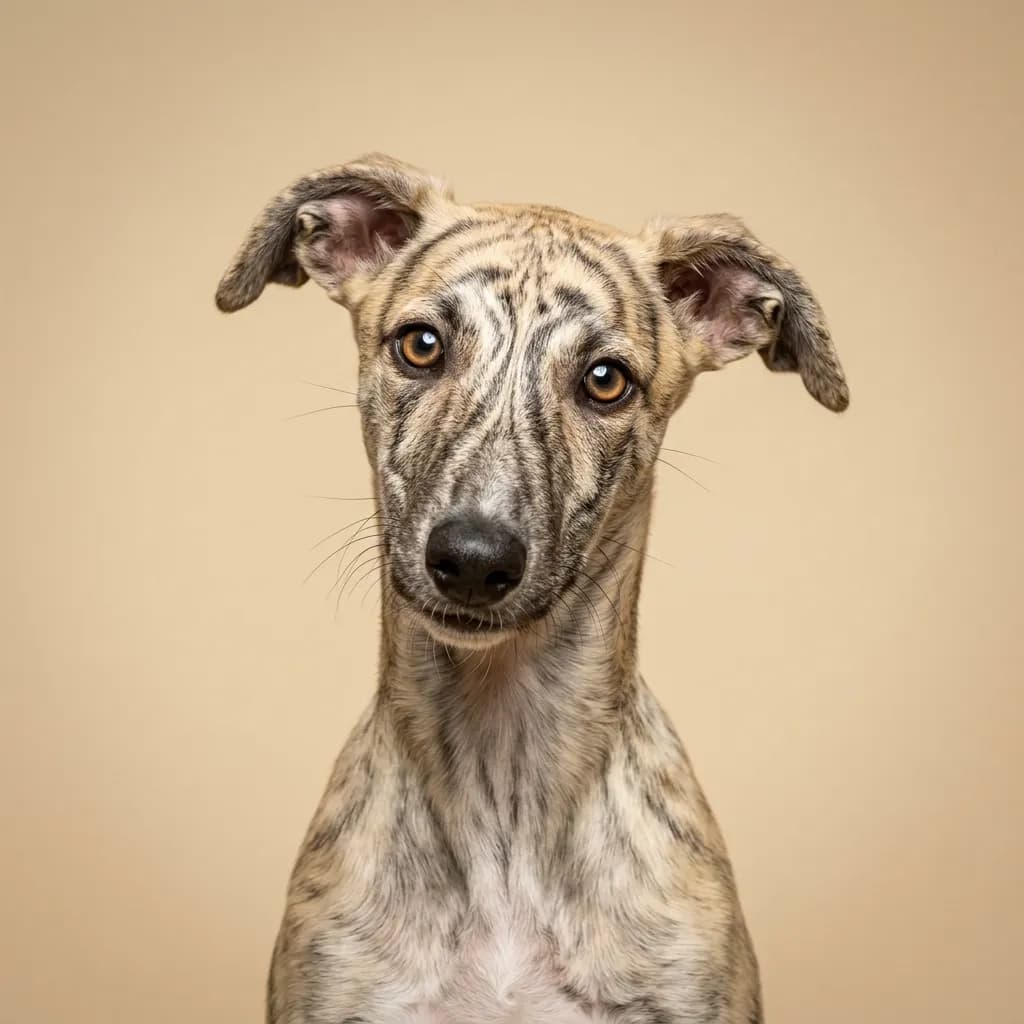
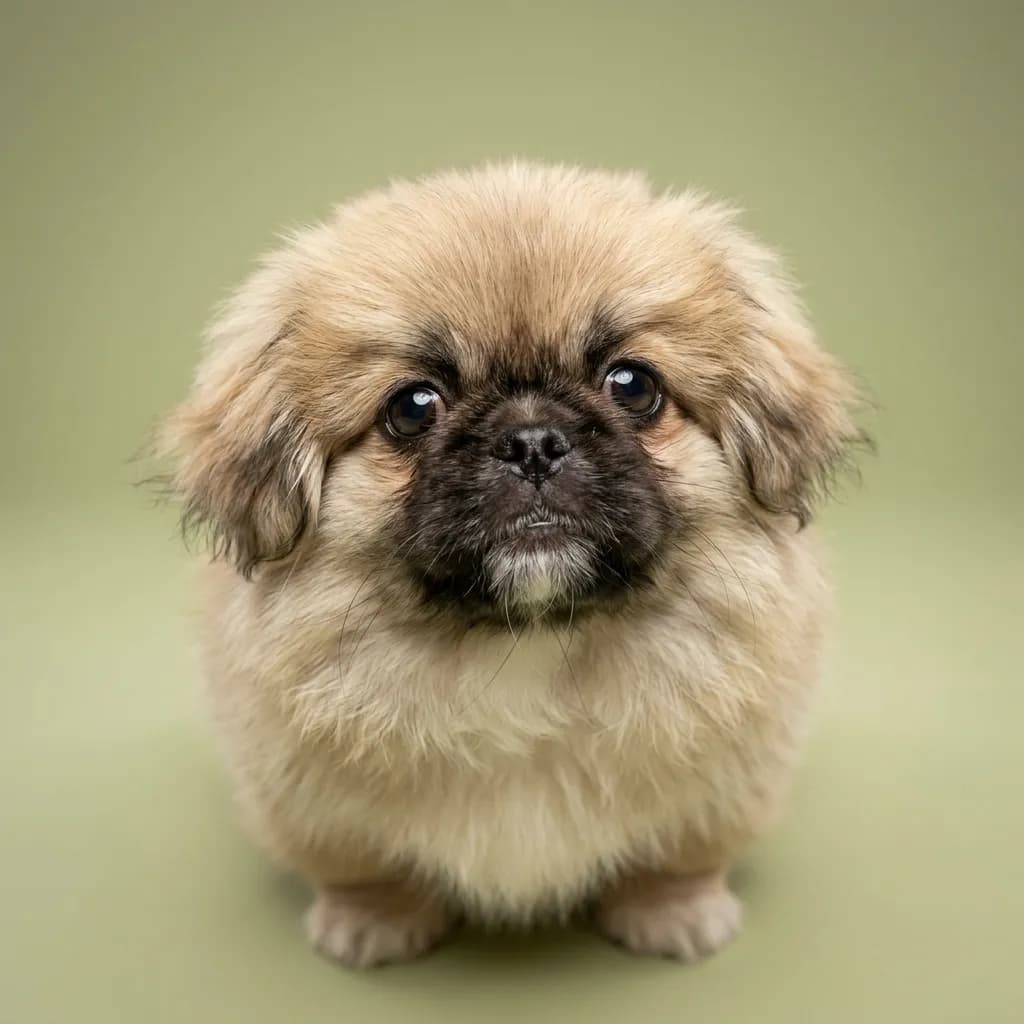
People compare Greyhounds and Pekingese because both are couch potatoes in their own way, and both fit in small spaces. They’re calm indoors, low on barking, and deeply attached to their people. On paper, they sound like two peas in a pod for apartment dwellers who want a quiet, affectionate dog. But that’s where the similarities end. The Greyhound is a 70-pound athlete who sprints 45 mph but then crashes on your sofa like a deflated balloon. They’re gentle, almost aloof with strangers, and surprisingly easy to live with. short coat, minimal shedding, no doggy odor. But you can’t ignore their prey drive. That off-leash walk in the park? Dangerous. A squirrel darts, and they’re gone. They’re also not built for chaos. rambunctious kids or constant noise will stress them out. Adopting one from a racing program is incredibly rewarding, but you’ll need to manage their thin skin, sensitive digestion, and that notorious anesthesia sensitivity. The Pekingese is the opposite kind of regal. At 14 pounds, they’re a living artifact of Chinese palaces. fearless, stubborn, and deeply loyal to one or two people. They don’t run, but they do snore. Their flat face means heat and exercise are risky, and that long coat? Daily brushing or mats take over. They’re not resilient with kids who might trip them or tug their fur. But if you’re home a lot, on the quieter side, and want a dog that follows you like a tiny, furry shadow, they’re unmatched in devotion. Here’s the real difference: Greyhounds are sensitive athletes who want peace. Pekingese are tiny emperors who demand it. Pick the Greyhound if you want a serene giant with bursts of silliness. Pick the Pekingese if you’re ready for a high-maintenance monarch who’ll love you like no one else.
Trait-by-trait
Higher bar = more of that trait. Shedding, barking, drooling, grooming flipped for readability.Where they diverge
Choose the Greyhound if…
- Apartment dwellers (surprisingly calm indoors)
- Adoption-minded owners (many ex-racers)
- Low-maintenance coat owners
- You value barking level — Greyhound scores noticeably higher.
Choose the Pekingese if…
- Apartment living
- Seniors
- Singles or couples
- You value coat grooming — Pekingese scores higher here.