Hamiltonstovare vs Irish Setter
Side-by-side comparison across all 14 AKC trait ratings, with a clear verdict on which breed fits which kind of household.

Not sure which breed fits your life?
Answer five questions about your home, your schedule, and your tolerance for shedding. We’ll match you to your top three breeds from over 200.
Hamiltonstovare vs Irish Setter
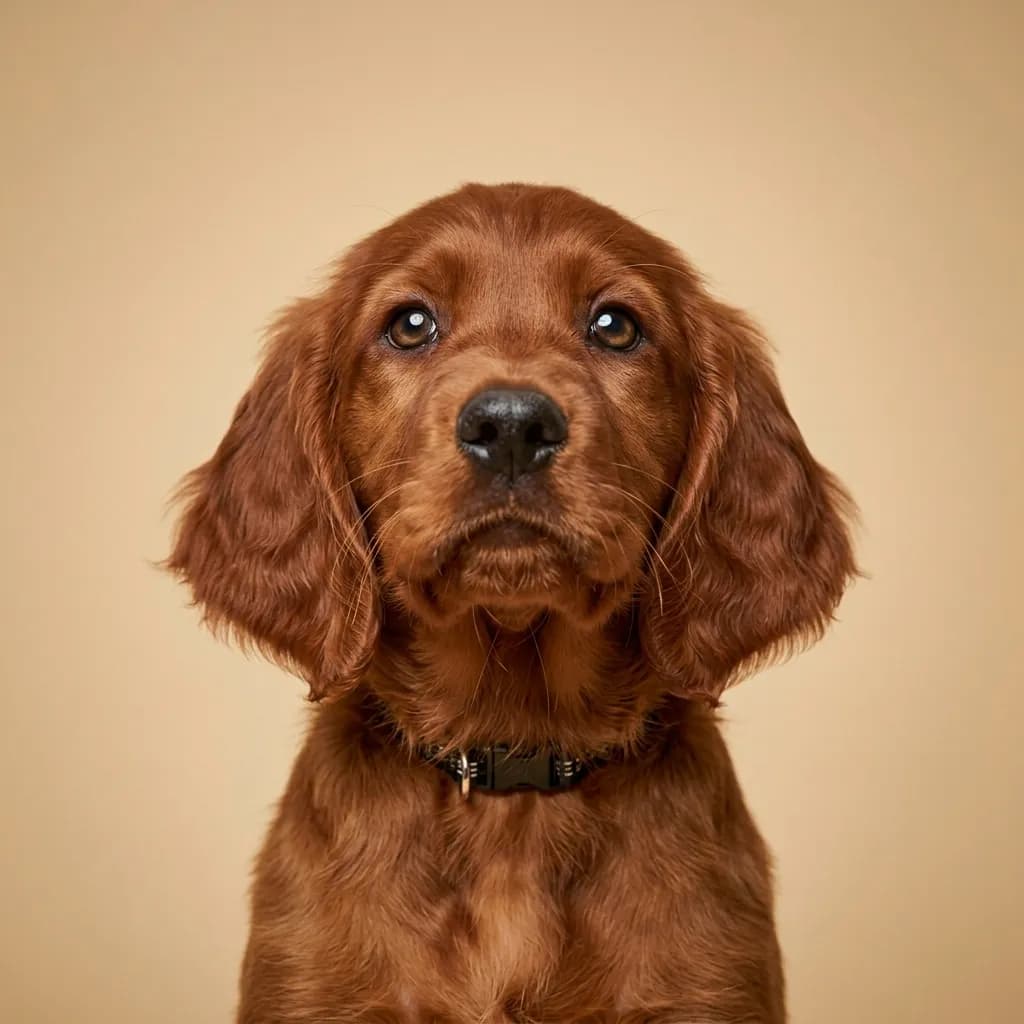
You might be comparing the Hamiltonstovare and Irish Setter because both are lean, leggy dogs with a taste for open fields and a soft spot for kids. They’re friendly, energetic, and built for people who don’t mind muddy paws at dinner. But that’s where the surface-level similarities end. The Hamiltonstovare is a Swedish hunting hound, bred to work solo or in small packs tracking fox and hare through dense forests. It’s quieter in temperament. focused, agile, and quietly regal. It thrives in rural homes where it can follow its nose for miles, but it won’t demand constant attention the way other breeds do. You’ll need to be proactive about training, especially recall, because that nose? It’s always working. They’re slightly longer-lived, live a bit longer on average, and while they’re affectionate, they’re not glued to your side. The Irish Setter, by contrast, is pure joy in dog form. That flame-red coat and wagging tail are just the start. Bred to quarter fields and point game across Ireland, this dog lives to move and connect. It’s more social, more playful, and far less independent. You’ll need to commit to serious daily exercise and mental challenges, or you’ll end up with a bored, destructive entertainer. They adapt slightly better to varied living situations, but only if you’re active. Here’s the real difference: the Hamiltonstovare is a hunter who tolerates family life. The Irish Setter is a family dog who happens to hunt. If you want a close, goofy companion for adventures and dog sports, go Irish Setter. If you want a calm, capable partner for quiet woods and rugged terrain, the Hamiltonstovare might be your quiet standout. Just don’t expect either to stay clean.
Trait-by-trait
Higher bar = more of that trait. Shedding, barking, drooling, grooming flipped for readability.Where they diverge
Choose the Hamiltonstovare if…
- Hunters
- Active families
- Rural living
- You value watchdog / protective — Hamiltonstovare scores noticeably higher.
Choose the Irish Setter if…
- Active families
- Hunters
- Outdoors enthusiasts
- You value good with other dogs — Irish Setter scores higher here.