Hamiltonstovare vs Japanese Chin
Side-by-side comparison across all 14 AKC trait ratings, with a clear verdict on which breed fits which kind of household.

Not sure which breed fits your life?
Answer five questions about your home, your schedule, and your tolerance for shedding. We’ll match you to your top three breeds from over 200.
Hamiltonstovare vs Japanese Chin
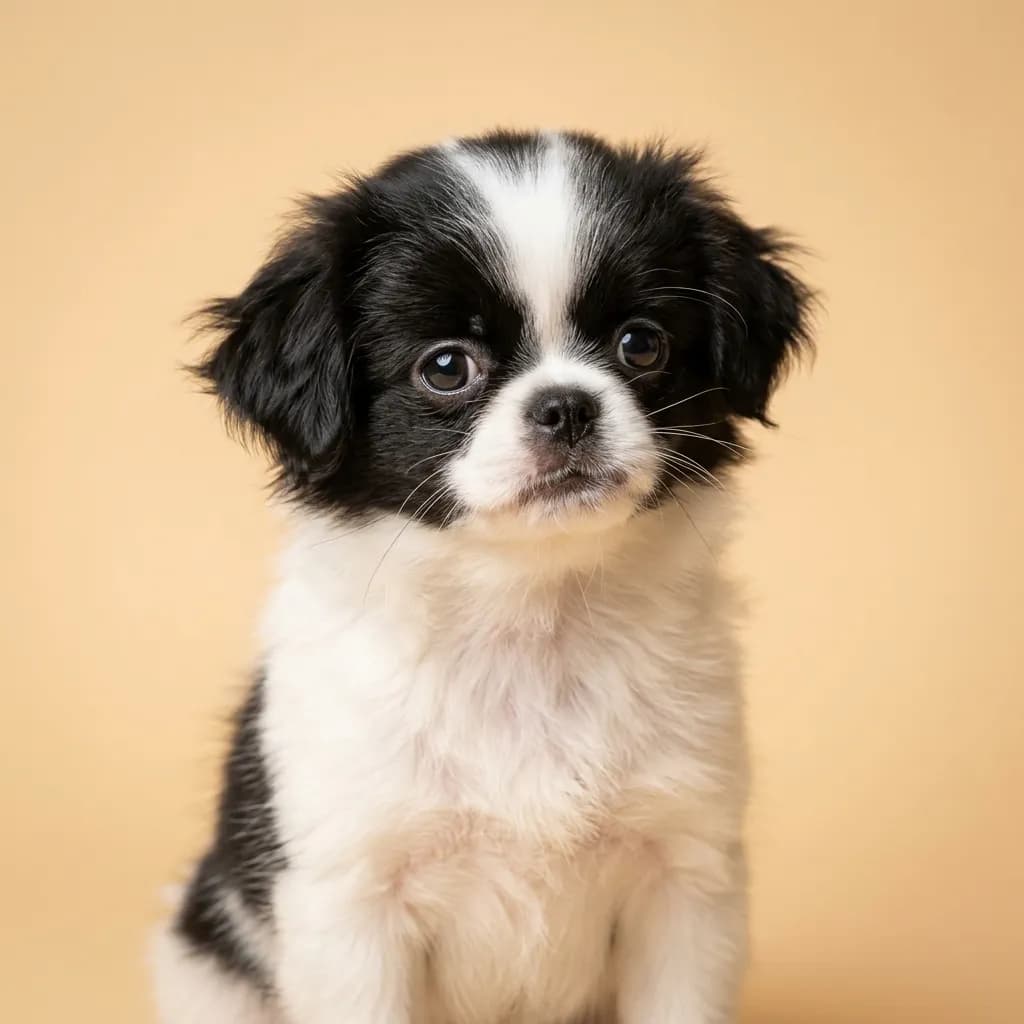
People compare the Hamiltonstovare and Japanese Chin because both are rare, regal-looking breeds with royal or rural prestige, and they sound like polar opposites. which they are. But the real question isn’t just size or energy. It’s about where you live and how you love. The Hamiltonstovare is a working hunter from rural Sweden, built to follow scent for hours through cold forests. At 50 to 75 pounds, it’s muscular, driven, and deeply tuned to the outdoors. It thrives with active families who hike, hunt, or have space to roam. This dog is loyal, affectionate, and great with kids, but it needs structure and mental engagement. Without it, that 4/5 energy turns into bored destruction. It doesn’t adapt well to apartments, and off-leash reliability? Forget it. Scent takes over, and it’s gone. The Japanese Chin, meanwhile, is silk and stillness. A tiny, 8- to 11-pound lapdog bred for imperial nobility, it’s calm indoors, quiet, and intensely bonded to one or two people. It’s not a family pet in the traditional sense. it prefers quiet, gentle handling and won’t tolerate rowdy kids. But in an apartment or with seniors, it’s golden. It’s not built for long walks or cold weather. Its brachycephalic face means heat and humidity are dangerous. Here’s the honest insight: one of these dogs is a tool built for a job, the other a living jewel. The Hamiltonstovare wants to do. The Japanese Chin wants to be. Pick the Hamiltonstovare if your life happens outside and you want a partner in adventure. Choose the Chin if your home is your castle and you want a quiet, dignified shadow. They’re both noble. But nobility comes in very different forms.
Trait-by-trait
Higher bar = more of that trait. Shedding, barking, drooling, grooming flipped for readability.Where they diverge
Choose the Hamiltonstovare if…
- Hunters
- Active families
- Rural living
- You value good with young children — Hamiltonstovare scores noticeably higher.
Choose the Japanese Chin if…
- Apartment dwellers
- Seniors
- Gentle quiet households
- You value good with other dogs — Japanese Chin scores higher here.