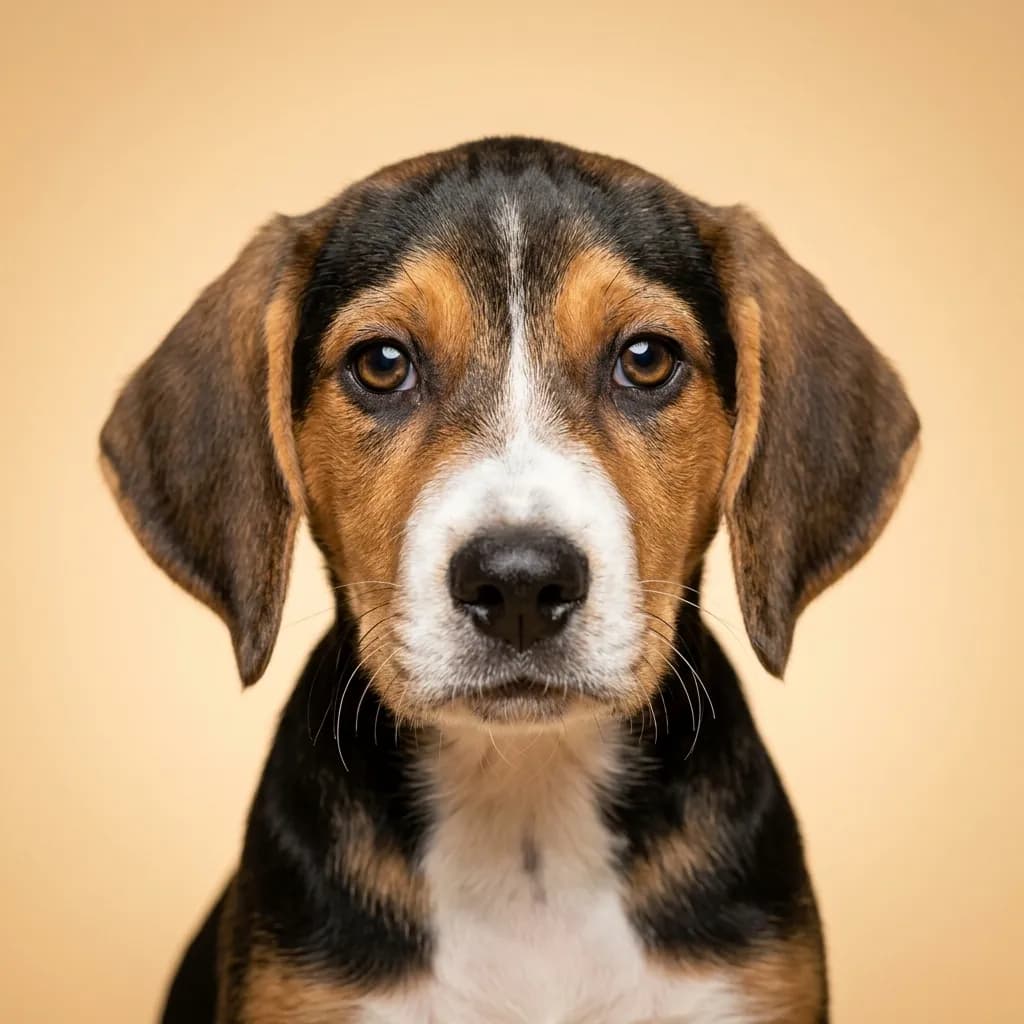
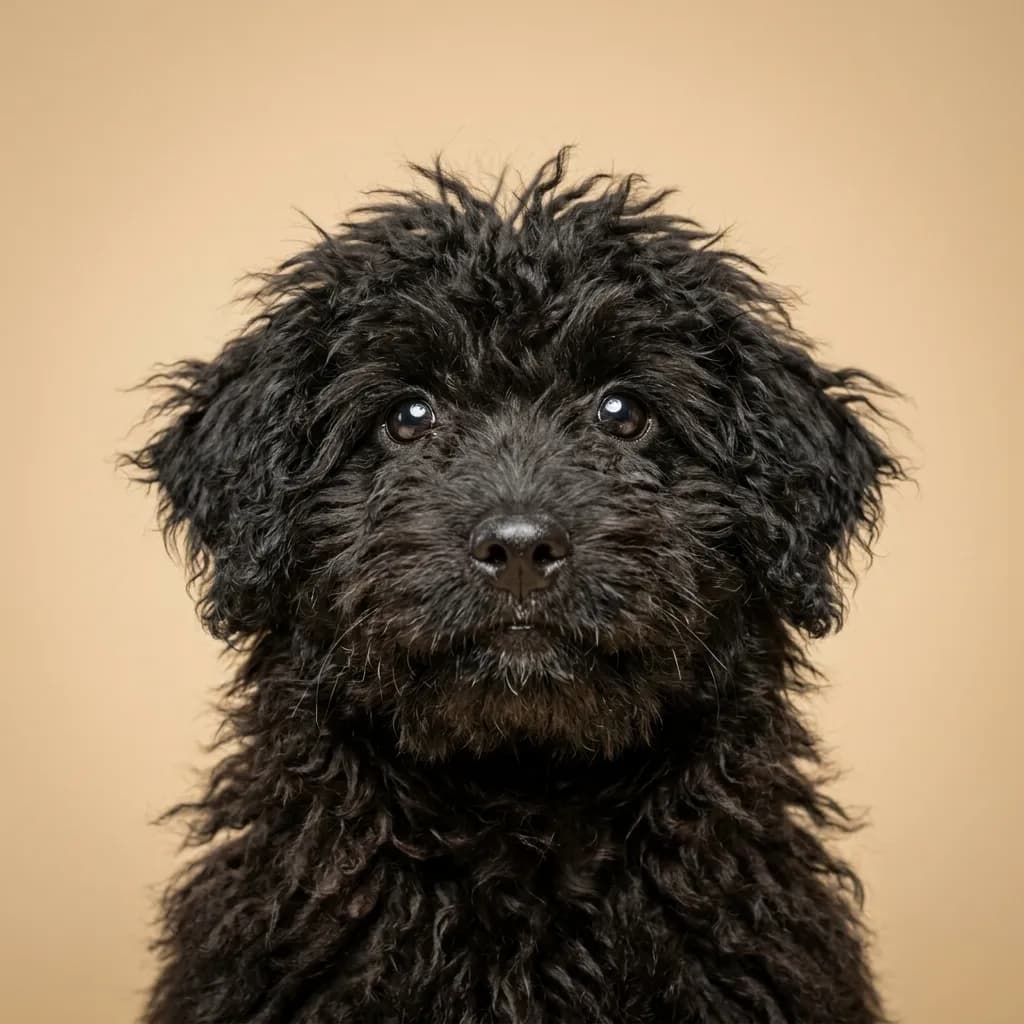
Hamiltonstovare vs Puli
Side-by-side comparison across all 14 AKC trait ratings, with a clear verdict on which breed fits which kind of household.
Not sure which breed fits your life?
Answer five questions about your home, your schedule, and your tolerance for shedding. We’ll match you to your top three breeds from over 200.
Hamiltonstovare vs Puli
People compare the Hamiltonstovare and Puli because both are rare, striking dogs with a certain old-world charm, and they often pop up together in searches for "unique medium-sized breeds." But that’s where the similarities end. These two couldn’t be more different in purpose, lifestyle fit, and daily demands. The Hamiltonstovare is a scent hound built for endurance. Imagine a dog that wakes up ready to track through forests for hours, steady in mind and body, loyal to its family but laser-focused when on the trail. It’s patient with kids, eager to please, and thrives in an active rural home. But don’t try keeping it in a city apartment. This dog needs space, jobs, and secure fencing. Off-leash reliability? Forget it. Scent drives run deep. The Puli, on the other hand, is a compact herder with a coat like dreadlocks and a brain that never clocks out. It bonds fiercely to its family, loves learning tricks, and will organize your life if you let it. It’s more adaptable to different homes. even city living, if exercised well. but that coat demands weekly work. Think hours of grooming, not minutes. And while it’s affectionate, it can be wary with strangers and less tolerant of rambunctious kids. Here’s the real talk: If you want a dog that does something, that has a job woven into its DNA, the Hamiltonstovare will hunt. The Puli will watch, think, and decide if it likes your plan. One was bred to follow a nose through snow. The other was bred to manage sheep with boldness and precision. Pick the Hamiltonstovare if you live outdoors and want a quiet, capable companion. Pick the Puli if you want a clever, intense little guardian who’ll mirror your energy. and critique your decisions.
Trait-by-trait
Higher bar = more of that trait. Shedding, barking, drooling, grooming flipped for readability.Where they diverge
Choose the Hamiltonstovare if…
- Hunters
- Active families
- Rural living
- You value good with young children — Hamiltonstovare scores noticeably higher.
Choose the Puli if…
- Active families
- Experienced dog owners
- Those wanting a unique coat
- You value coat grooming — Puli scores higher here.