Hamiltonstovare vs Welsh Terrier
Side-by-side comparison across all 14 AKC trait ratings, with a clear verdict on which breed fits which kind of household.

Not sure which breed fits your life?
Answer five questions about your home, your schedule, and your tolerance for shedding. We’ll match you to your top three breeds from over 200.
Hamiltonstovare vs Welsh Terrier
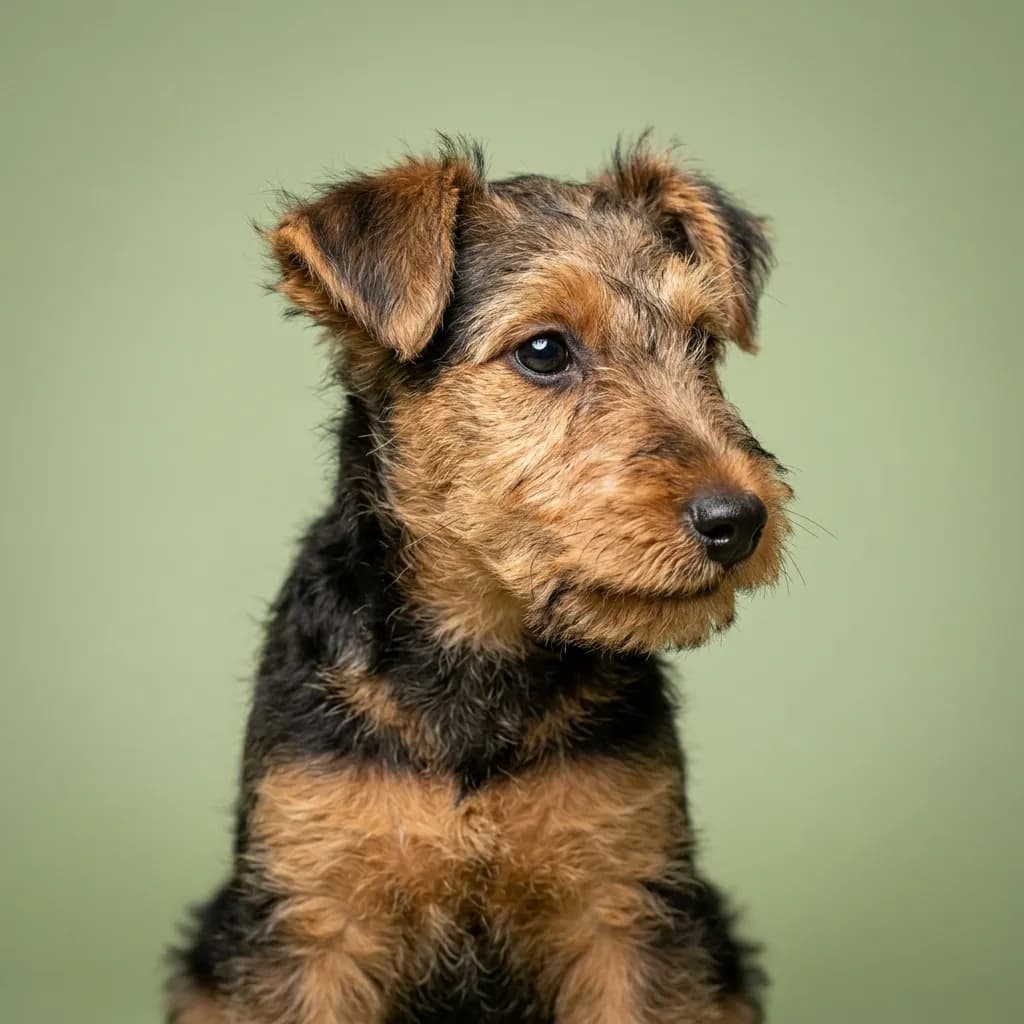
People compare the Hamiltonstovare and Welsh Terrier because both are energetic, game-hunting dogs with scrappy charm and solid family ratings. But that’s where the similarity ends. If the Hamiltonstovare were a pickup truck built for backwoods logging roads, the Welsh Terrier is a nimble ATV. equally tough, but designed for a completely different kind of terrain. The Hamiltonstovare is a big, rangy hound from Sweden, built to track fox and hare all day across cold forests. At 40 to 75 pounds, this dog needs space and a job. It thrives with hunters or active families who hike, run, or live on acreage. You want a dog that bonds deeply with the family, adores kids, and can handle rainy woods as easily as a backyard barbecue. But don’t expect apartment life to work. it won’t. And even well-trained, that nose will override recall if a scent pops. It’s regal but relentless. The Welsh Terrier, meanwhile, is compact at 20 pounds, wiry-coated, and fiery smart. Bred to go to ground after vermin in Wales, it’s got that terrier spark. bold, busy, and always plotting fun. It’s more adaptable, fitting better in suburban homes or smaller properties, as long as you meet its mental and physical needs. It’s affectionate to a fault, rarely aggressive, and sheds less, making it a better call for allergy-prone homes. Here’s the real difference no chart shows: the Hamiltonstovare works with you, like a partner in a shared mission. The Welsh Terrier lives to win your attention, even if it means chewing your shoes to get it. If you want a quiet shadow, neither will suit. But if you want a dog that lives hard and loves harder, pick the one whose energy matches your life. not just your ideal.
Trait-by-trait
Higher bar = more of that trait. Shedding, barking, drooling, grooming flipped for readability.Where they diverge
Choose the Hamiltonstovare if…
- Hunters
- Active families
- Rural living
- You value shedding level — Hamiltonstovare scores noticeably higher.
Choose the Welsh Terrier if…
- Active families
- Those wanting a spirited, playful companion
- Families with children
- You value affectionate w/ family — Welsh Terrier scores higher here.