Harrier vs Irish Water Spaniel
Side-by-side comparison across all 14 AKC trait ratings, with a clear verdict on which breed fits which kind of household.

Not sure which breed fits your life?
Answer five questions about your home, your schedule, and your tolerance for shedding. We’ll match you to your top three breeds from over 200.
Harrier vs Irish Water Spaniel
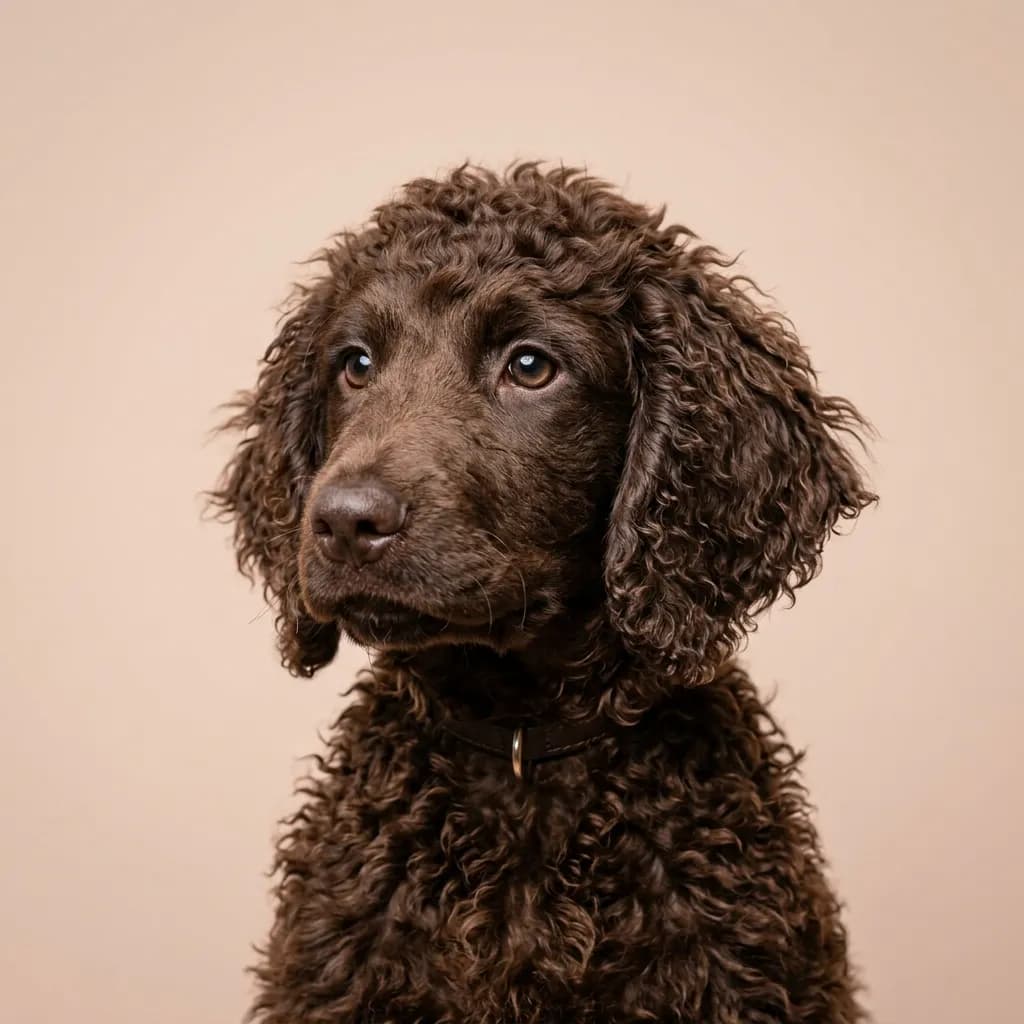
People toss the Harrier and Irish Water Spaniel into the same mental bucket because they’re both medium-to-large dog breeds with jobs tied to hunting, and neither one floods the market with popularity. But put them side by side, and you’ll quickly realize they’re built for entirely different rhythms of life. The Harrier is the social butterfly of the hound world. Bred to run in packs after hare across open fields, it thrives on movement, noise, and company. You’ll never miss a Harrier in the house. they’ll bark at the mail, the neighbor’s cat, their own shadow. They’re goofy, affectionate, and great with kids, but don’t expect a quiet night in. This dog needs space and daily adventure. Apartment living? Forget it. They’re happiest with active owners who hunt or hike regularly. Then there’s the Irish Water Spaniel. the quiet, slick-coated oddball of the sporting group. With a topknot and a rat-like tail, it looks like nothing else, and it acts different too. Reserved with strangers, not big on barking, and practically non-shedding, it’s a stealth option for allergy sufferers who want a working dog without the mess. They’re brilliant and trainable, but their aloof streak can puzzle first-time owners. Good with kids? Not always. They tolerate chaos but don’t chase it. Here’s the real talk: the Harrier is a team player who wants to be part of every moment, loud and proud. The Irish Water Spaniel is more like a skilled coworker who shows up, nails the job, and goes home early. If you want a dog that bonds deeply but doesn’t demand constant attention, the spaniel might surprise you. If you want a joyful, barking shadow that turns walks into events, go Harrier. Your lifestyle isn’t just shaping their day. it’s defining their happiness.
Trait-by-trait
Higher bar = more of that trait. Shedding, barking, drooling, grooming flipped for readability.Where they diverge
Choose the Harrier if…
- Active families
- Hunters
- Rural living
- You value barking level — Harrier scores noticeably higher.
Choose the Irish Water Spaniel if…
- Hunters
- Active families
- Waterfowl hunting
- You value coat grooming — Irish Water Spaniel scores higher here.