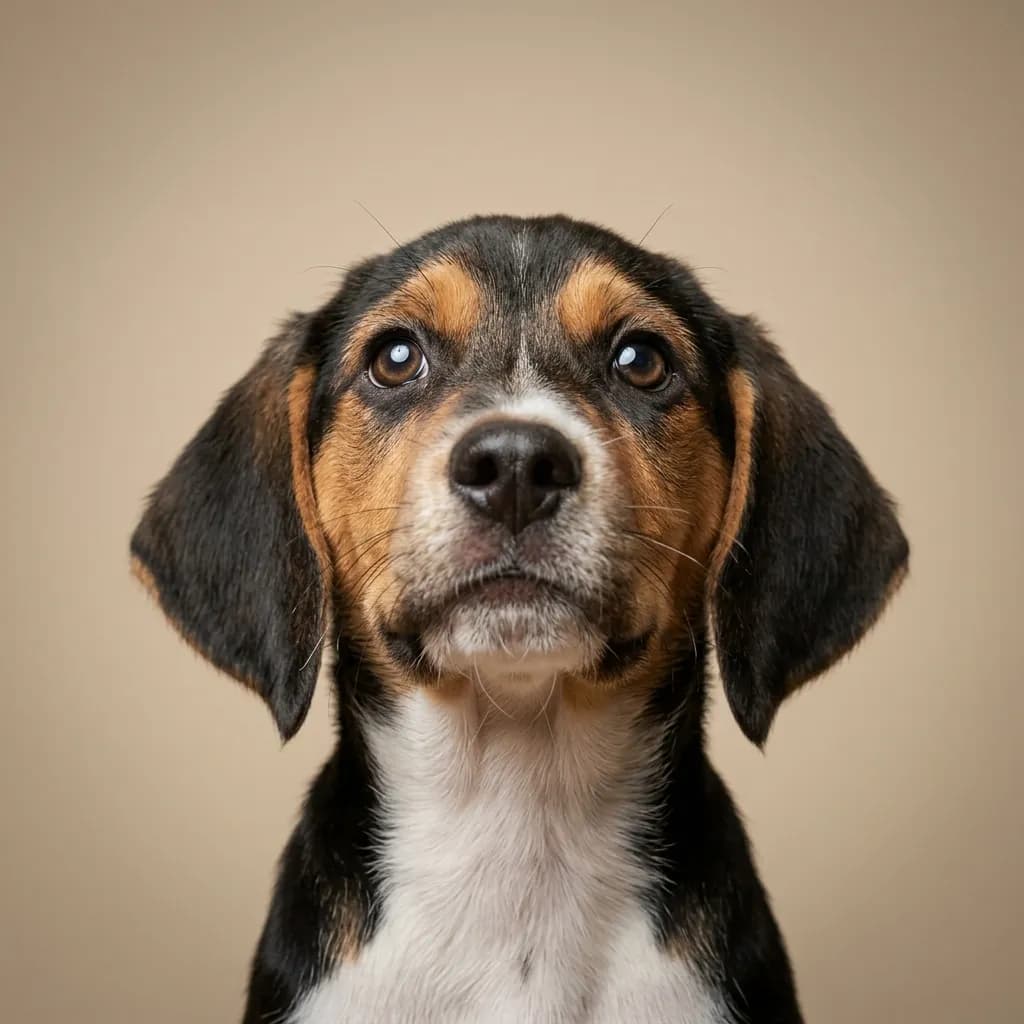
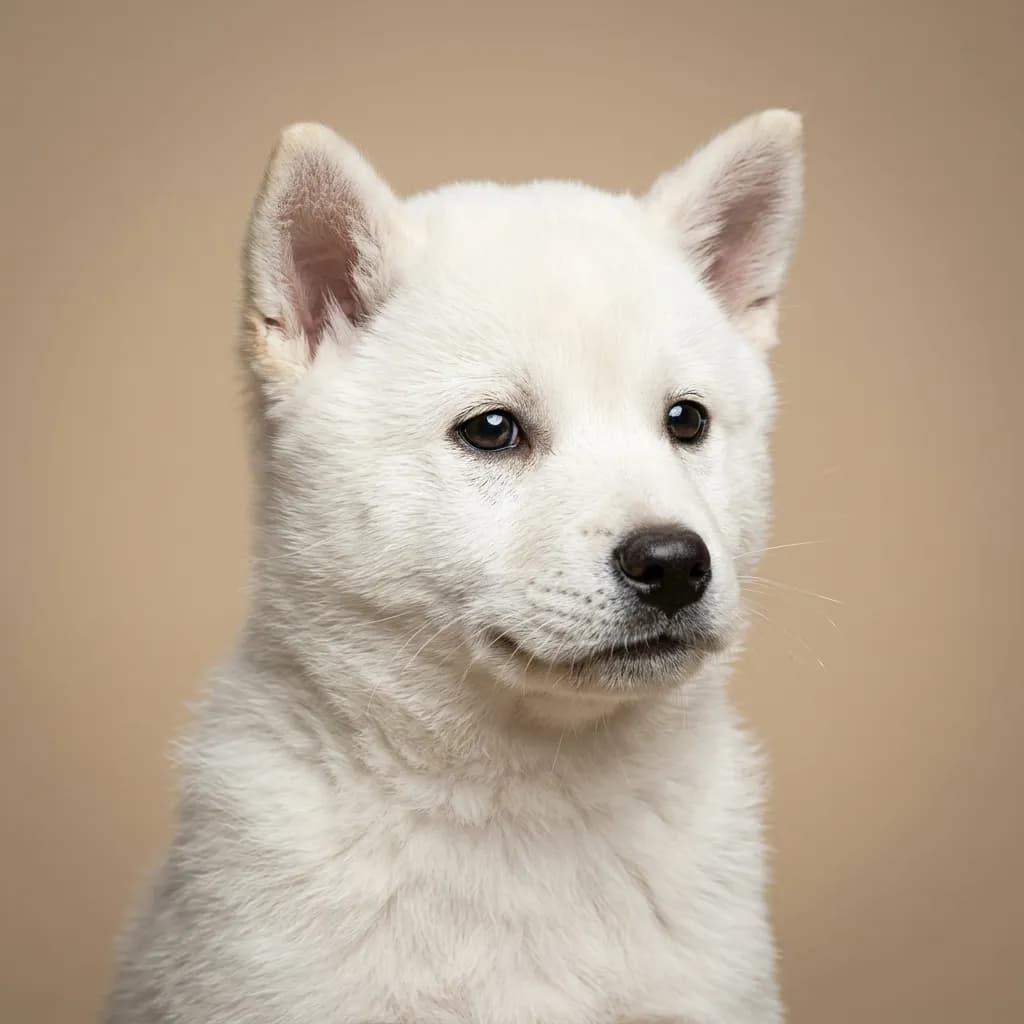
Harrier vs Kishu Ken
Side-by-side comparison across all 14 AKC trait ratings, with a clear verdict on which breed fits which kind of household.
Not sure which breed fits your life?
Answer five questions about your home, your schedule, and your tolerance for shedding. We’ll match you to your top three breeds from over 200.
Harrier vs Kishu Ken
People compare Harriers and Kishu Kens because they’re both rare, medium-to-large hounds that don’t fit the typical “couch potato” dog mold. But that’s where the similarity ends. If the Harrier is the outgoing, chatty friend who wants to join every group hike and knows everyone at the dog park, the Kishu Ken is the quiet, intense one who’ll sit by the window all evening, watching the woods like he’s guarding ancient secrets. Harriers thrive on company. yours, your kids’, even your neighbor’s dog. They’re loud, friendly, and built for movement, bred to run in packs for hours tracking hare. You’ll need space, time, and patience for their constant vocalizations and moderate shedding. But if you’re active and love sharing adventures with a dog who’s always in on the plan, they’re pure joy. Kishu Kens are another breed entirely. Calm, reserved, and deeply loyal to one person, they’re not the kind of dog that greets guests with a wag. They’re aloof with strangers, cautious around kids, and notoriously independent. trainability isn’t their strength. But they’re also incredibly quiet, rarely barking, and possess a sharp mental focus that makes them fascinating to train. if you’re experienced enough to earn their respect. The real difference isn’t energy or size. It’s intent. The Harrier wants to be part of your life. The Kishu Ken wants to be your silent partner in solitude. Here’s the truth the breeders won’t lead with: Kishu Kens have strong prey drive that can’t be fully managed off-leash, even in adulthood. And Harriers? They’ll follow a scent right out of your life if given the chance. Neither should live in apartments. But if you’re rural, active, and honest about your lifestyle, one of these two might just become your most loyal companion. Choose based on noise, not size. because the quiet one might be harder to live with than the one that won’t stop barking.
Trait-by-trait
Higher bar = more of that trait. Shedding, barking, drooling, grooming flipped for readability.Where they diverge
Choose the Harrier if…
- Active families
- Hunters
- Rural living
- You value barking level — Harrier scores noticeably higher.
Choose the Kishu Ken if…
- Experienced dog owners
- Active owners
- Cold climates
- You value good with strangers — Kishu Ken scores higher here.