Harrier vs Norfolk Terrier
Side-by-side comparison across all 14 AKC trait ratings, with a clear verdict on which breed fits which kind of household.
Not sure which breed fits your life?
Answer five questions about your home, your schedule, and your tolerance for shedding. We’ll match you to your top three breeds from over 200.
Harrier vs Norfolk Terrier
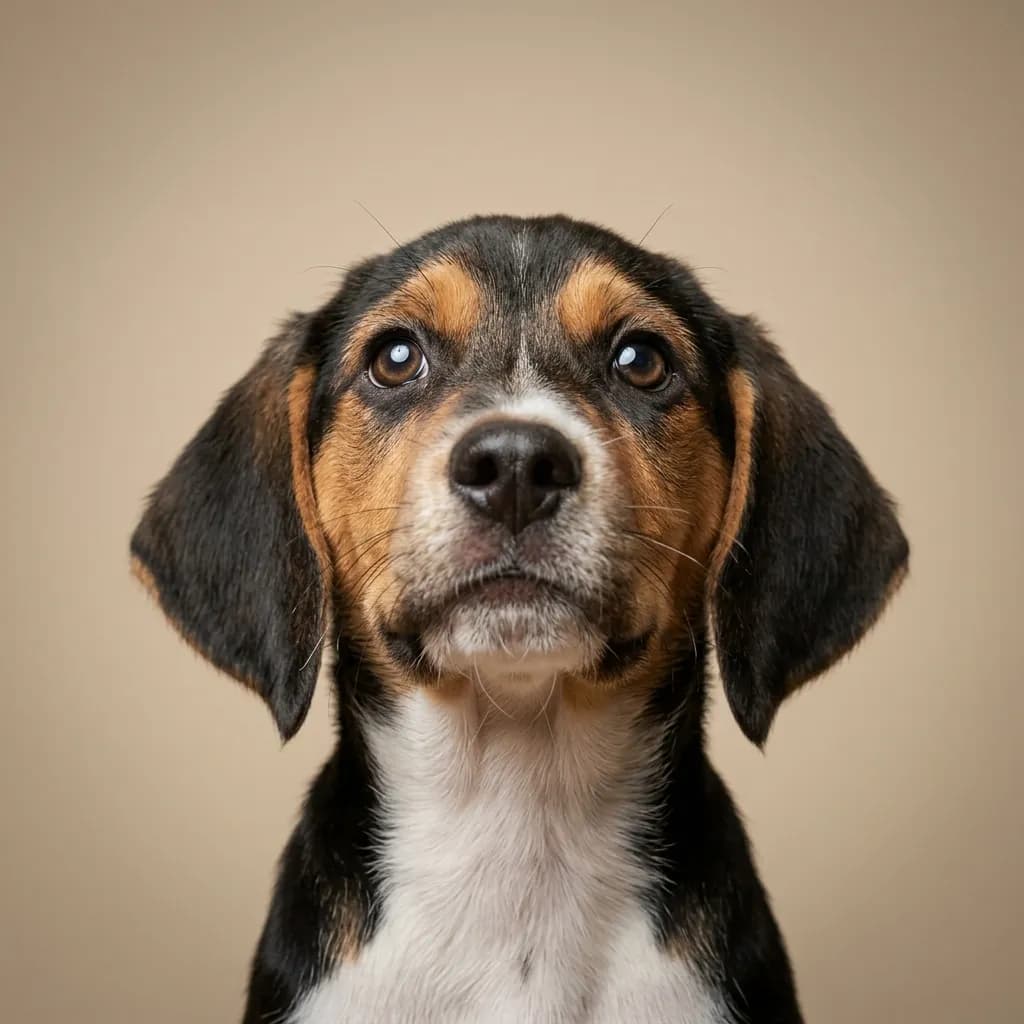
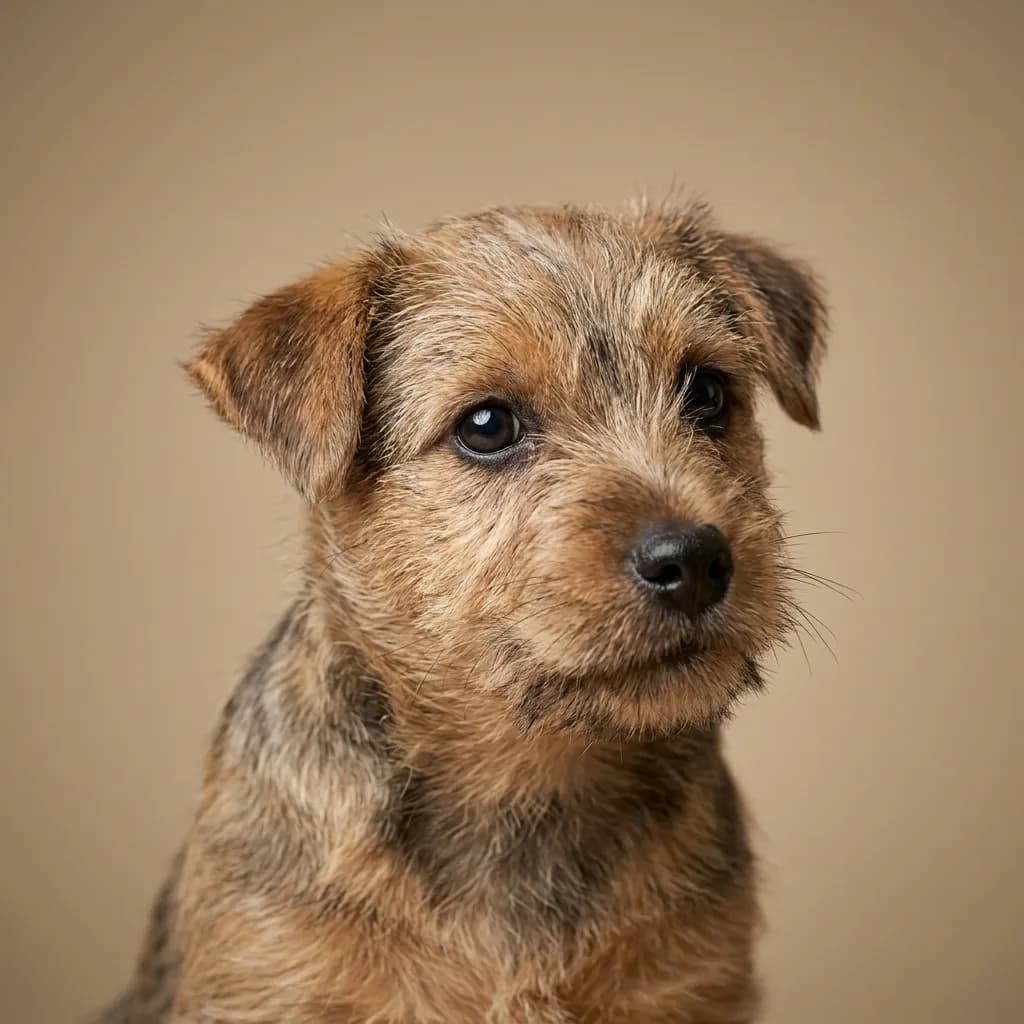
People compare the Harrier and Norfolk Terrier because they’re both energetic, people-loving British dogs with short coats and big personalities packed into very different sizes. At first glance, they share scores. high marks for kid-friendliness, affection, and energy. but that’s where the similarity ends. This isn’t really a comparison of traits. It’s a choice between lifestyles. The Harrier is a pack hound built for miles. At nearly 60 pounds and standing over a foot tall, it’s a dog made to run all day, bred to follow scent with relentless focus. You’ll need space, time, and patience for a dog that barks freely and can’t be trusted off-leash near wildlife. It thrives in rural homes with active owners who want a loyal companion for long walks, hikes, or hunting. The Norfolk Terrier, barely weighing more than a good-sized bag of dog food at 12 pounds, is a scrappy little engine. Fearless and independent, it’s happy in an apartment or a cottage, as long as it gets mental challenges and daily movement. This dog will bark at squirrels but can live peacefully in town. just don’t expect it to ignore your cat. It’s stubborn in training but deeply loyal, with a wiry coat that needs grooming but doesn’t shed excessively. Here’s the thing the breed standards won’t tell you: the Harrier needs a job or it’ll turn your backyard into a dig site. The Norfolk? It’ll out-think you. You can train a Harrier with consistency. The Norfolk will decide whether it’s worth listening. Pick the Harrier if you’ve got land, time, and an active life outdoors. Choose the Norfolk if you want a bold, compact dog that’s up for agility, hiking, or just snuggling on the couch. but can handle a terrier’s strong opinions.
Trait-by-trait
Higher bar = more of that trait. Shedding, barking, drooling, grooming flipped for readability.Where they diverge
Choose the Harrier if…
- Active families
- Hunters
- Rural living
- You value good with other dogs — Harrier scores noticeably higher.
Choose the Norfolk Terrier if…
- Active families
- Apartment or small home living
- Families with older children
- You value coat grooming — Norfolk Terrier scores higher here.