Norfolk Terrier
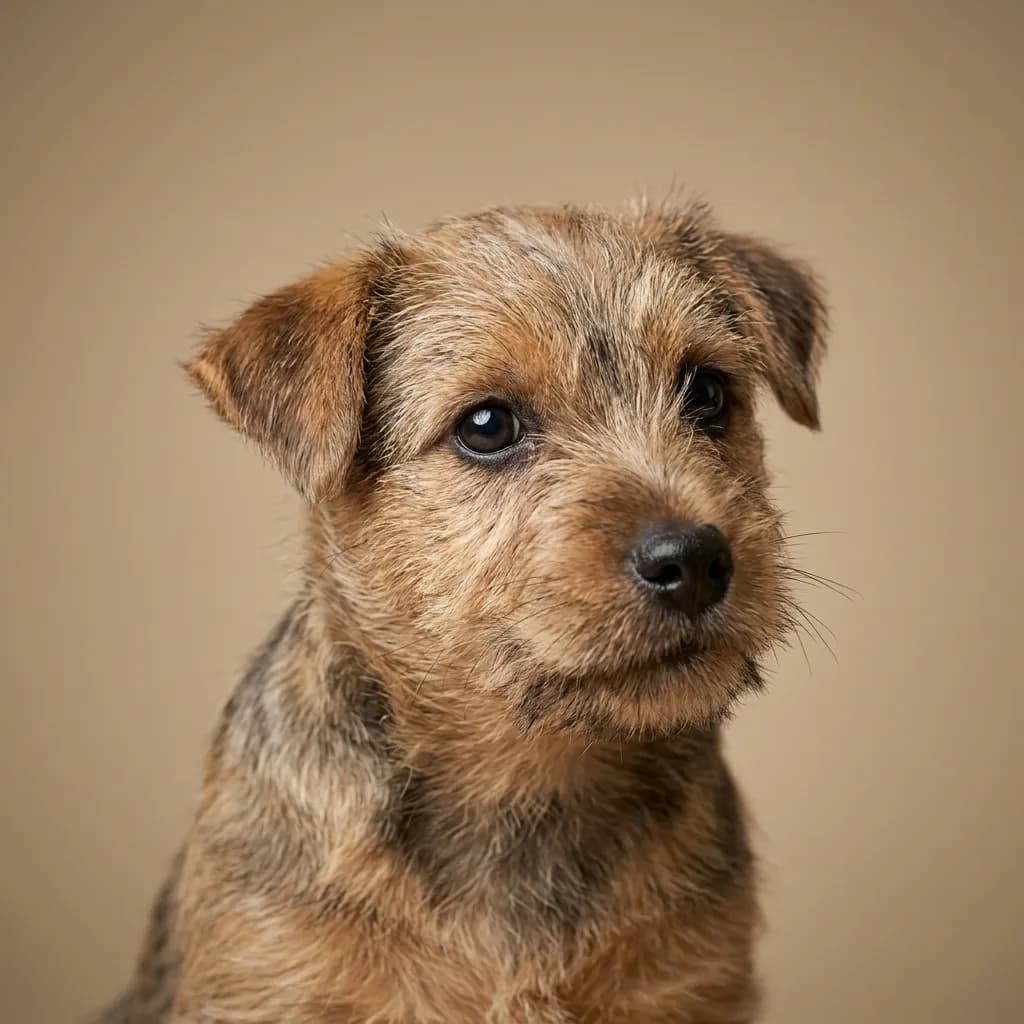
The smallest AKC working terrier — sturdy enough for real vermin hunting despite ears that flop forward and eyes that look permanently delighted. The Norfolk is friendly and gregarious compared to many terriers, adaptable to smaller homes, and easier to live with than its feistier relatives. They still have that terrier spark, though: expect a dog that digs, chases, and voices an opinion about everything.
Free weekly training plan, specific to your Norfolk Terrier’s age. Exactly what to focus on this week.
Get your free training planLiving with a Norfolk Terrier
The Norfolk Terrier is a tiny powerhouse that punches way above its 11 to 12 pound weight class. Developed in England as one of the smallest working terriers, it was bred to hunt rats and flush foxes from dens, a job that demanded courage and tenacity. Don’t let its compact size fool you, this dog carries the heart of a hunter and the spirit of a daredevil.
Originally grouped with the Norwich Terrier, the drop-eared Norfolk was recognized as its own breed in the 1960s, and today it’s a loyal, affectionate companion with a stubborn streak a mile wide. Living with a Norfolk is like having a fearless little comedian in the house. They’re alert and always in on the action, barking at anything suspicious.
4 out of 5 on the bark scale means you’ll know when the mail arrives, and probably when a leaf blows across the yard. They bond deeply with their people, scoring a full 5 on affection and kid-friendliness, making them excellent for families with older children who know how to respect small dogs. But they’re not lap dogs.
These terriers need real exercise, daily walks plus playtime or dog sports like agility or barn hunt to stay sane. Without it, that 4 out of 5 energy level turns into nuisance digging or barking. Grooming is manageable but not low-maintenance.
Their wiry coat needs hand-stripping a few times a year to keep texture and color; clipping can soften the coat and sometimes cause skin issues. Shedding is moderate, 3 out of 5, so you’ll see some hair, but not constant tumbleweeds. Health-wise, they’re generally tough but not immune.
Watch for mitral valve disease, patellar luxation, hip dysplasia, and epilepsy. Reputable breeders screen for these, so don’t skip health clearances even if the puppy price stings. Norfolks run $1,500 to $4,000.
They’re great for active singles, apartment dwellers with time to burn, or dog sport fans. But skip this breed if you want a couch potato, live with pet rodents, or can’t tolerate a dog that decides he’s leading the walk. Here’s the real talk: Norfolks aren’t just stubborn, they’re clever enough to outmaneuver you.
Train with consistency and humor, or they’ll turn your home into their personal game show.
14 traits, at a glance.
Every breed on PuppyBase is rated across the 14 trait dimensions the American Kennel Club publishes — from trainability to drooling level. The higher the score, the better the fit for that trait.
What to expect day-to-day
Things to screen for
See a full price breakdown — first-year costs, lifetime estimate, breeder vs. adoption.
Full price guideSimilar breeds
Browse all 200+

Common questions
How long do Norfolk Terriers live?
Norfolk Terriers typically live between 12 and 16 years, which is a solid lifespan for a small dog breed.
How much does a Norfolk Terrier puppy cost?
You can expect to pay between $2,000 and $4,50游戏副本0 for a Norfolk Terrier puppy, with most reputable breeders charging around $3,000.
How much do Norfolk Terriers shed?
Norfolk Terriers shed moderately, so you'll find some fur around the house, but it's not excessive compared to heavy-shedding breeds.
What colors do Norfolk Terriers come in?
They come in red, red wheaten, grizzle, and black and tan, all with their signature wiry short coat.
How big do Norfolk Terriers get?
They stand 9 to 10 inches tall and weigh between 11 and 12 pounds, making them the smallest of the AKC working terriers.
Are Norfolk Terriers smart?
Yes, they're intelligent dogs with strong problem-solving instincts, especially when it comes to digging or figuring out how to catch small animals.
Are Norfolk Terriers hypoallergenic?
No, Norfolk Terriers are not hypoallerg confluent because they do shed and produce dander like most dogs.
Are Norfolk Terriers aggressive?
They're not typically aggressive, but they do have a feisty terrier spirit and can be scrappy with other dogs if not socialized early.
What health problems are common in Norfolk Terriers?
Common issues include mitral valve disease, hip dysplasia, epilepsy, patellar luxation, and various eye conditions, so regular vet checkups are important.
Do Norfolk Terriers bark a lot?
Yes, they bark frequently—they're alert and opinionated, so expect vocal alerts at squirrels, strangers, and passing cars.
Are Norfolk Terriers easy to train?
They're moderately trainable; willing to learn but easily distracted by small animals or new scents, so consistency is key.
Are Norfolk Terriers good family dogs?
Absolutely, they're affectionate with families and great with older children, thriving on attention and playtime.
Are Norfolk Terriers good with cats?
Not reliably; their strong prey drive makes them likely to chase cats, especially if not raised together from puppyhood.
Can Norfolk Terriers live in apartments?
Yes, their small size and adaptability make them well-suited to apartment living as long as they get daily exercise.
Are Norfolk Terriers good hunting dogs?
Yes, they were bred to hunt vermin and flush foxes, so they retain strong hunting instincts and excel in earthdog trials.
When do Norfolk Terriers calm down?
They stay energetic and playful well into adulthood, and most won't truly settle until they're around 5 to 6 years old.
Not sure which breed fits your life?
Answer five questions about your home, your schedule, and your tolerance for shedding. We’ll match you to your top three breeds from over 200.