Harrier vs Skye Terrier
Side-by-side comparison across all 14 AKC trait ratings, with a clear verdict on which breed fits which kind of household.
Not sure which breed fits your life?
Answer five questions about your home, your schedule, and your tolerance for shedding. We’ll match you to your top three breeds from over 200.
Harrier vs Skye Terrier
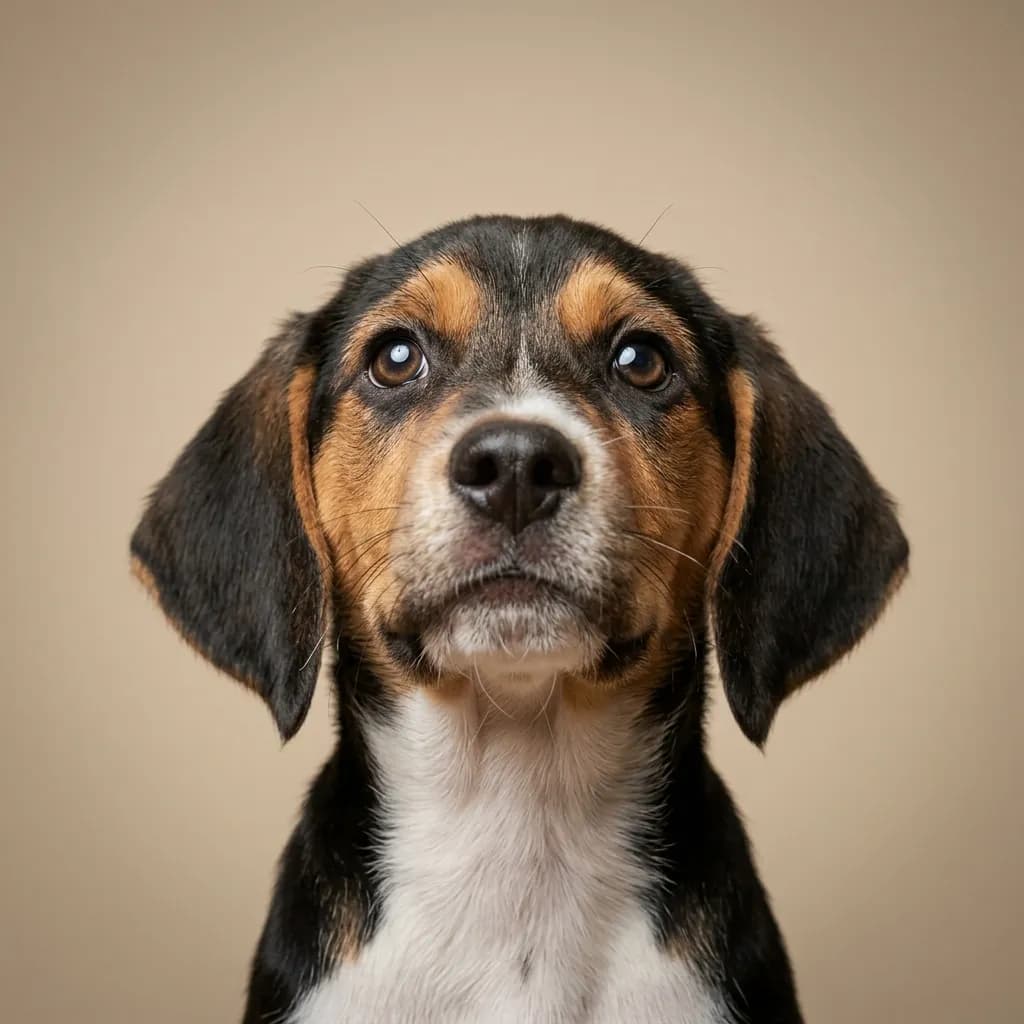
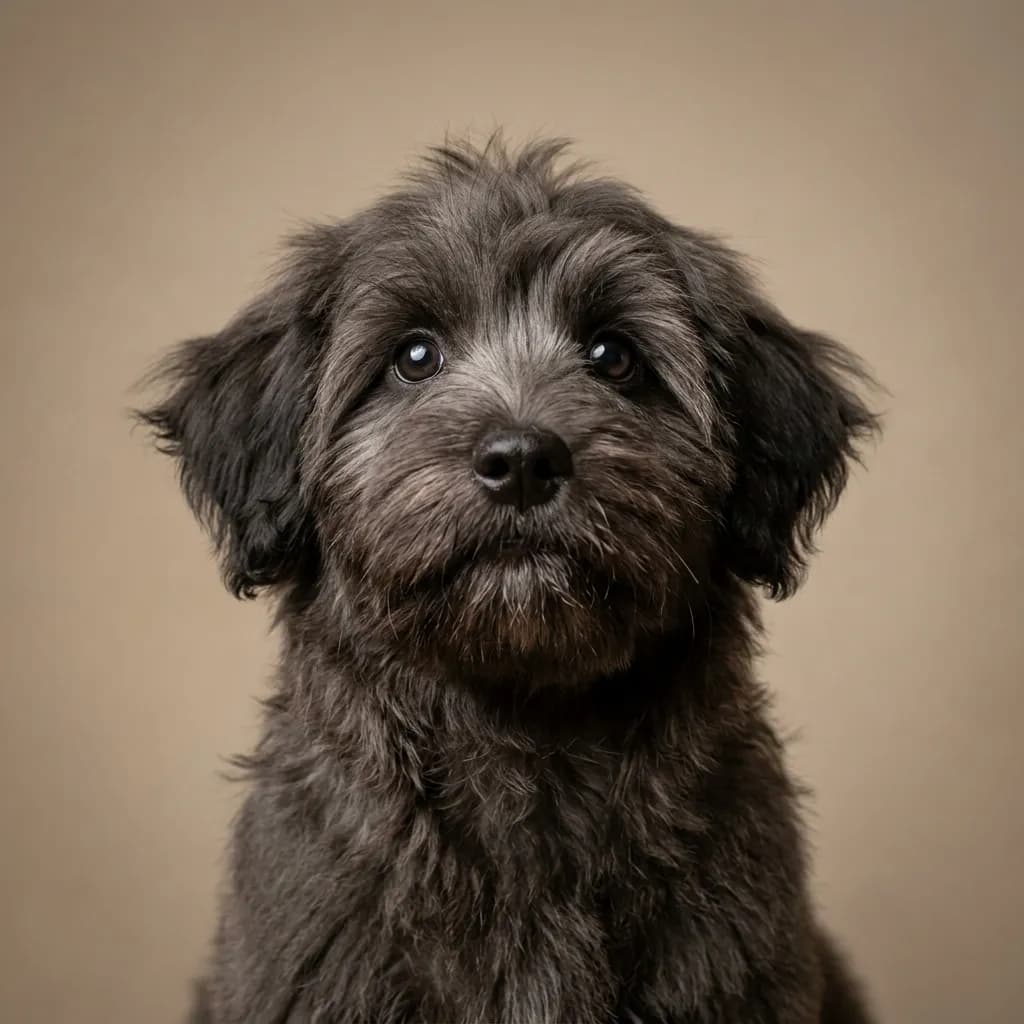
People compare Harriers and Skye Terriers because both are rare, loyal, and deeply rooted in British hunting tradition. But that’s where the similarities end. These dogs aren’t just different breeds. they’re built for entirely different lives. The Harrier is the athlete. Built to run all day across open fields, this pack hound thrives in active homes with space and purpose. You’ll see it grinning beside hunters or jogging with families who don’t mind a loud, people-loving dog that barks at everything. It’s great with kids, eager to learn, and surprisingly adaptable. if you can meet its 2-hour daily exercise demand. But don’t expect off-leash reliability. That nose? It rules the dog. Once it catches a scent, you’re irrelevant. The Skye Terrier, meanwhile, is the stoic guardian. Low to the ground with a dramatic coat that drags through mud and puddles, this dog was bred to crawl into dens and face predators. It’s brave, intensely loyal, and forms a deep bond with one or two people. But it’s not a family dog in the traditional sense. It’s reserved with strangers, cautious around young kids, and can be stubborn. Training takes patience. Grooming takes hours. And while it doesn’t need the Harrier’s level of exercise, it still wants daily walks and mental engagement. Here’s the real difference most people miss: the Harrier wants to include you in every moment. The Skye Terrier chooses when to include you. One’s a team player, the other a selective confidant. Pick the Harrier if you’re active, social, and want a dog that’s always down for an adventure. Choose the Skye Terrier if you’re experienced, live a quieter life, and want a devoted companion who’ll stand by you. on their terms.
Trait-by-trait
Higher bar = more of that trait. Shedding, barking, drooling, grooming flipped for readability.Where they diverge
Choose the Harrier if…
- Active families
- Hunters
- Rural living
- You value good with young children — Harrier scores noticeably higher.
Choose the Skye Terrier if…
- Experienced terrier owners
- Adults and older children households
- Those wanting a loyal, devoted breed
- You value coat grooming — Skye Terrier scores higher here.