Harrier vs Tibetan Mastiff
Side-by-side comparison across all 14 AKC trait ratings, with a clear verdict on which breed fits which kind of household.
Not sure which breed fits your life?
Answer five questions about your home, your schedule, and your tolerance for shedding. We’ll match you to your top three breeds from over 200.
Harrier vs Tibetan Mastiff
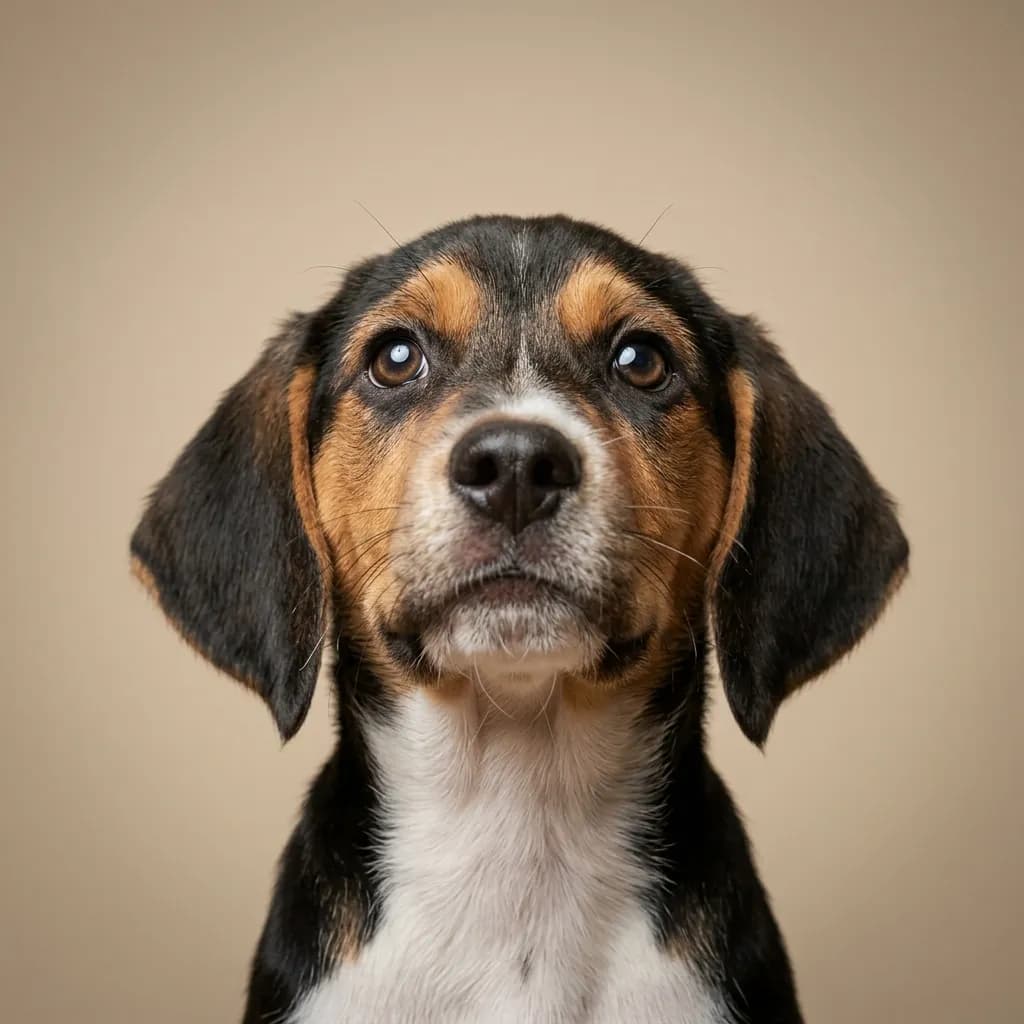
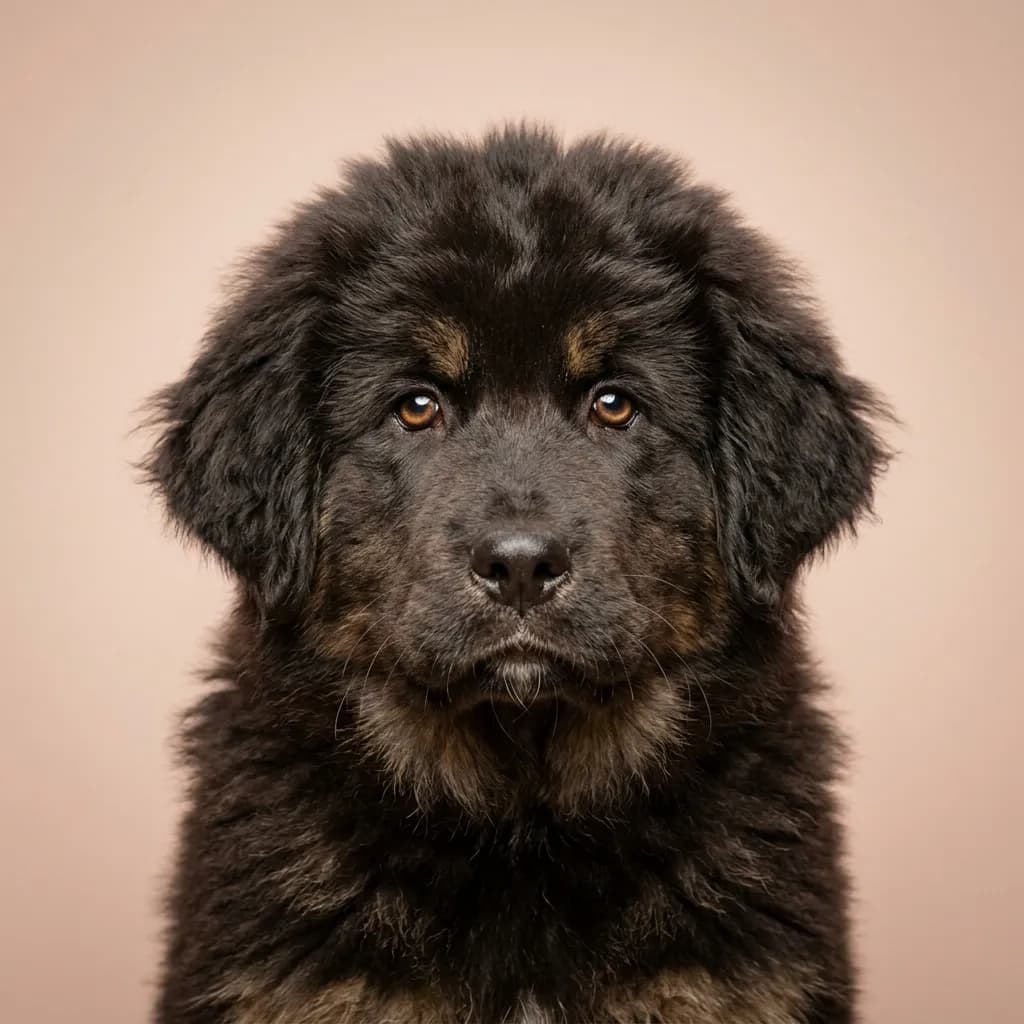
You’re not really comparing a Harrier to a Tibetan Mastiff because you’re torn between two similar dogs. You’re doing it because you’re torn between two entirely different lives. One breeds for open fields and foxhunts, the other for guarding remote mountain outposts against wolves. That’s the story here. The Harrier is your weekend hiking buddy, the dog that’ll cheerfully trot 10 miles beside you, then lick your kid’s face and crash at your feet. At 50 pounds, he’s manageable, barks like a foxhound should, and thrives on motion and company. He’s not subtle. trainable but stubborn if bored, and forget off-leash in open areas. He’s built for movement, not muscle. If you live rurally or love long trail days with family, he’ll fit like a well-worn boot. Now step into the Tibetan Mastiff’s world. This isn’t a companion in the usual sense. At up to 150 pounds and with a coat like a lion, he’s imposing, aloof, and wired to assess threats. He won’t herd your kids around like the Harrier will. He’ll stand on the porch and judge the mailman like a trespasser. He needs space, cold weather, and an owner who understands dominance isn’t trained out. it’s managed. He’s affectionate with his people, sure, but on his terms. The real insight? The Harrier needs activity to be happy. The Mastiff needs purpose. You can’t just love a Mastiff into being a good pet. He was bred to make independent, life-or-death calls at 15,000 feet. Without that mental role, he becomes bored, then destructive, then unmanageable. Meanwhile, the Harrier just wants to be part of your pack. Choose the dog whose original job matches your life. not your fantasy.
Trait-by-trait
Higher bar = more of that trait. Shedding, barking, drooling, grooming flipped for readability.Where they diverge
Choose the Harrier if…
- Active families
- Hunters
- Rural living
- You value good with strangers — Harrier scores noticeably higher.
Choose the Tibetan Mastiff if…
- Experienced large-breed owners
- Cold climate households
- Those wanting a serious guardian breed
- You value coat grooming — Tibetan Mastiff scores higher here.