Tibetan Mastiff
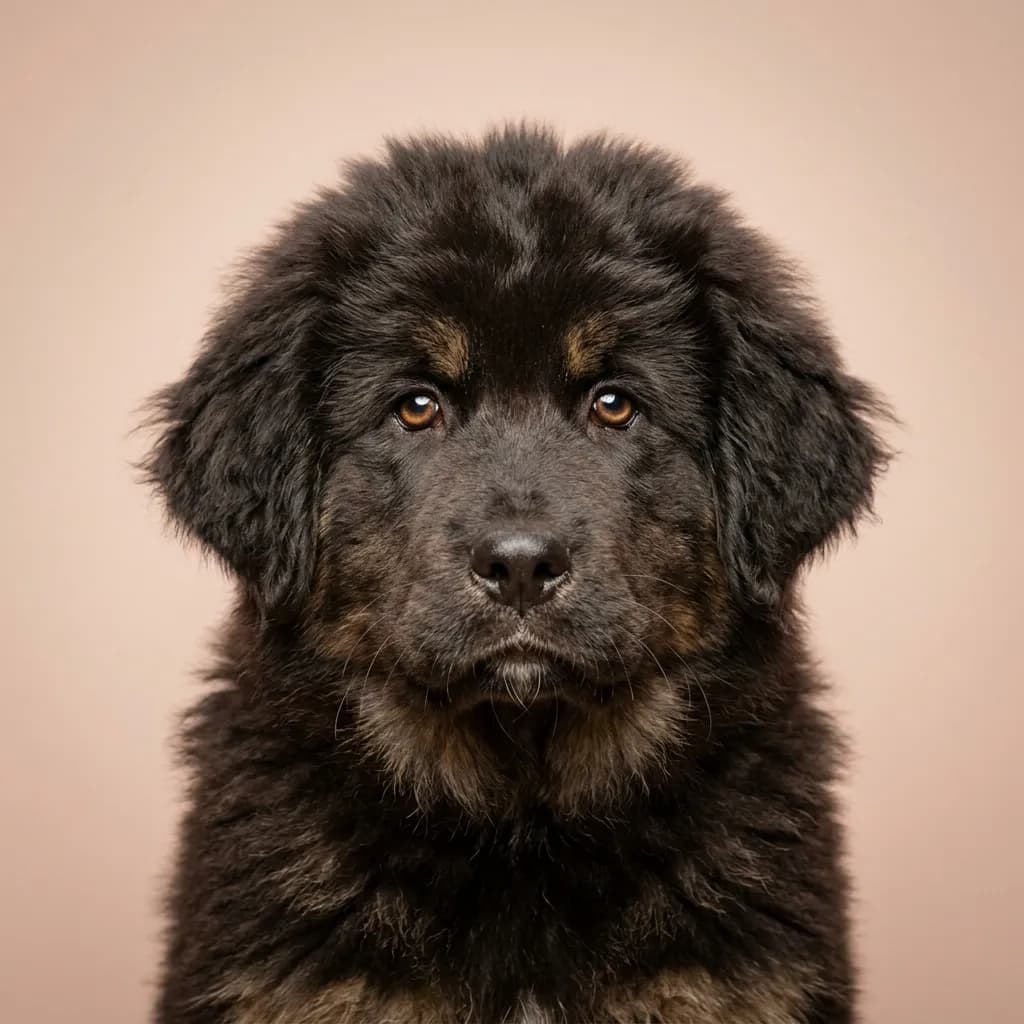
One of the most ancient guardian breeds alive, and one of the most striking: a massive, lion-maned dog that protected monasteries and villages at the edge of the world. Tibetan Mastiffs are independent thinkers who will not respond to commands they find pointless, and they tend to bark through the night — a behavior that made sense at 14,000 feet and less sense in a suburb. Not for first-timers.
Free weekly training plan, specific to your Tibetan Mastiff’s age. Exactly what to focus on this week.
Get your free training planLiving with a Tibetan Mastiff
The Tibetan Mastiff isn’t a pet in the traditional sense. This breed was born on the harsh Tibetan Plateau, guarding monasteries and herds at 15,000 feet where temperatures plunge and predators roam. That history matters.
You’re not just adopting a dog; you’re bringing home a 100-pound piece of ancient history with the instincts to match. They’re independent, reserved even with family, and deeply intelligent, meaning they’ll assess your commands before deciding whether to follow them. Training is possible but requires consistency and respect; you won’t bulldoze this breed into obedience.
They score a 3/5 on trainability, not because they’re dumb, but because they’re built to operate solo. Day to day, they’re not hyperactive but do need space. A fenced yard twice the size of a typical suburban lot is ideal.
They’re not barkers for attention, but they will alert you to anything unusual, a 3/5 on barking, but each one carries weight. Their energy is moderate, around 3/5, but mental stimulation is critical. Bored Tibetan Mastiffs become destructive Tibetan Mastiffs.
Puzzle toys, scent games, and structured routines help, but you’ll need to keep their sharp minds engaged. Grooming? Non-negotiable.
With a 4/5 shedding score and a double coat built for blizzards, expect daily brushing during seasonal blowouts. You’ll find fur in your coffee mug and embedded in your car seats. It’s not messy in the puppy way; it’s relentless, like living with a small, dignified blizzard.
Health-wise, they’re prone to hip and elbow dysplasia, hypothyroidism, and a rare nerve condition called CIDN. Reputable breeders screen for these, so don’t skip health clearances. With good care, they live 10 to 12 years.
These dogs are not for first-time owners, apartment dwellers, or anyone in a hot climate. They overheat fast. They’re best for experienced handlers who understand guardian breeds and have the space and climate to support them.
If you want a buddy for dog parks or group playdates, look elsewhere. Here’s the thing most sites won’t tell you: Tibetan Mastiffs don’t bond like other dogs. They’re deeply affectionate.
4/5, but on their terms. You’re not their buddy. You’re their person.
And that’s different.
14 traits, at a glance.
Every breed on PuppyBase is rated across the 14 trait dimensions the American Kennel Club publishes — from trainability to drooling level. The higher the score, the better the fit for that trait.
What to expect day-to-day
Things to screen for
- Canine inherited demyelinative neuropathy
- Hypothyroidism
- Bloat (GDV)
- Hip and elbow dysplasia
- Autoimmune conditions
See a full price breakdown — first-year costs, lifetime estimate, breeder vs. adoption.
Full price guideSimilar breeds
Browse all 200+
Common questions
How long do Tibetan Mastiffs live?
Tibetan Mastiffs typically live between 10 and 12 years. Their lifespan is average for a dog of their large size, but regular vet care and a healthy diet are critical to reaching their full life expectancy.
How much does a Tibetan Mastiff puppy cost?
A Tibetan Mastiff puppy usually costs between $2,500 and $8,000, with an average price around $4,000. High prices reflect their rarity, import costs, and extensive health testing required by responsible breeders.
How much do Tibetan Mastiffs shed?
Tibetan Mastiffs shed heavily, especially during seasonal changes when they blow their thick undercoat. You'll need to brush them at least weekly, and daily during shedding peaks, to manage loose fur.
What colors do Tibetan Mastiffs come in?
Tibetan Mastiffs come in black, brown, blue gray, gold, black and tan, and sable. Their striking appearance is often accented by a thick, lion-like mane that enhances their imposing presence.
How big do Tibetan Mastiffs get?
Tibetan Mastiffs stand 24 to 26 inches tall and weigh between 70 and 150 pounds, with males typically larger than females. They are powerful, heavily built dogs with a commanding presence.
Are Tibetan Mastiffs smart?
Yes, Tibetan Mastiffs are highly intelligent, but their smarts come with strong independence. They assess commands on their own terms and won't obey just for the sake of obedience.
Are Tibetan Mastiffs hypoallergenic?
No, Tibetan Mastiffs are not hypoallergenic. They shed heavily and produce dander, making them a poor choice for people with allergies.
Are Tibetan Mastiffs aggressive?
Tibetan Mastiffs are not inherently aggressive, but they are naturally suspicious of strangers and will defend their family and territory without hesitation. Poor breeding or lack of early socialization can lead to problematic aggression.
What health problems are common in Tibetan Mastiffs?
Common health issues include hip and elbow dysplasia, hypothyroidism, autoimmune conditions, bloat, and a rare inherited nerve disorder. Reputable breeders screen for these, but vigilance is needed throughout the dog's life.
Do Tibetan Mastiffs bark a lot?
Yes, Tibetan Mastiffs bark regularly, especially at night and when they sense something unusual. Their instinct to alert makes them excellent guardians, but it can be disruptive in suburban or urban settings.
Are Tibetan Mastiffs easy to train?
No, Tibetan Mastiffs are moderately difficult to train due to their independent nature. They respond best to consistent, respectful methods and resist repetitive or forced training.
Are Tibetan Mastiffs good family dogs?
They can be loyal to their family but are reserved and not naturally playful with young children. They work best in homes with older kids and experienced owners who understand large guardian breeds.
Are Tibetan Mastiffs good with cats?
Tibetan Mastiffs can coexist with cats if raised together, but their strong prey drive and territorial instincts mean they may not tolerate unfamiliar cats. Supervision is essential.
Are Tibetan Mastiffs good guard dogs?
Yes, Tibetan Mastiffs are exceptional guard dogs. They are deeply protective, highly alert, and will defend their home without waiting for direction, making them one of the most reliable natural guardians.
Can Tibetan Mastiffs live in apartments?
No, Tibetan Mastiffs are not suited for apartment living. They need ample space, a secure yard, and a cool climate, and their barking and size make them a poor fit for close-quarters housing.
Are Tibetan Mastiffs dangerous?
They are not dangerous when properly bred, socialized, and managed, but their size, strength, and protective instincts mean they can be if mishandled. They are not a breed for inexperienced owners.
Not sure which breed fits your life?
Answer five questions about your home, your schedule, and your tolerance for shedding. We’ll match you to your top three breeds from over 200.