Hokkaido vs Rafeiro do Alentejo
Side-by-side comparison across all 14 AKC trait ratings, with a clear verdict on which breed fits which kind of household.
Not sure which breed fits your life?
Answer five questions about your home, your schedule, and your tolerance for shedding. We’ll match you to your top three breeds from over 200.
Hokkaido vs Rafeiro do Alentejo
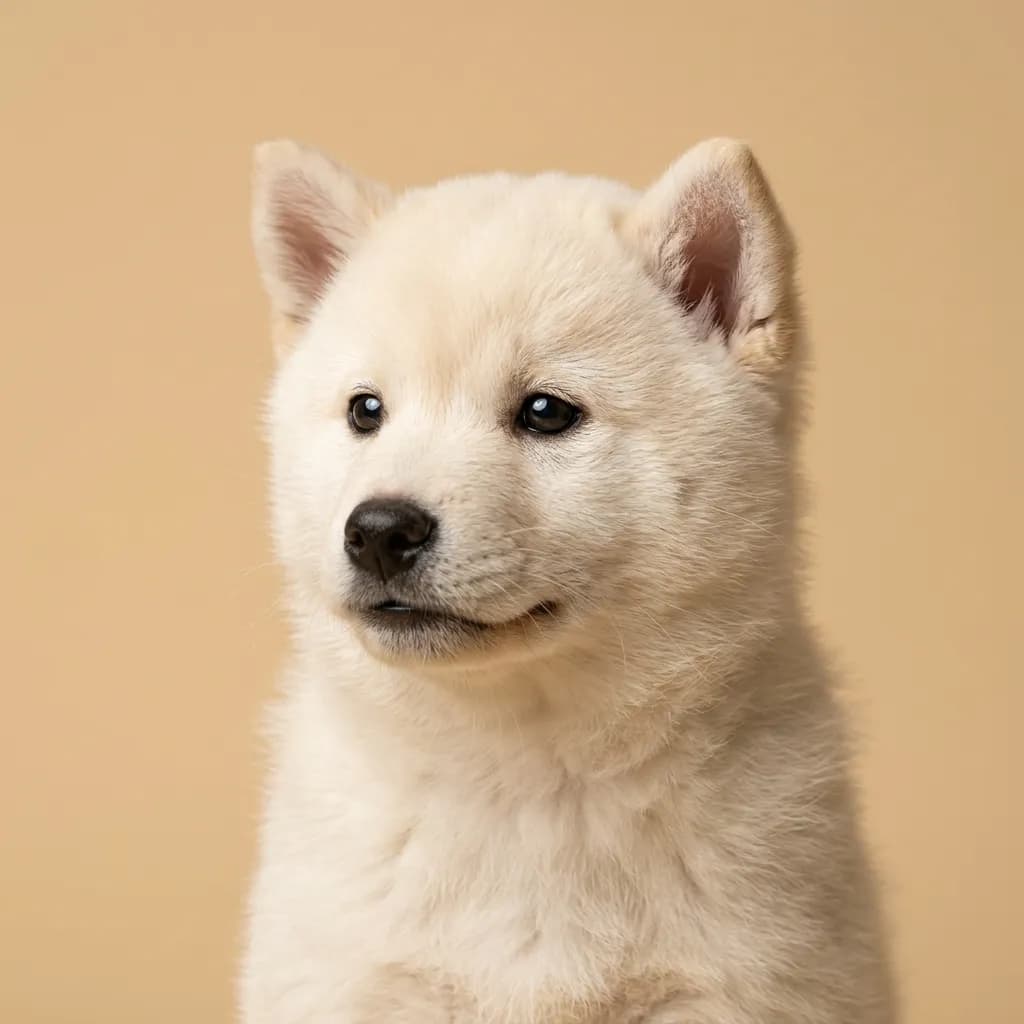
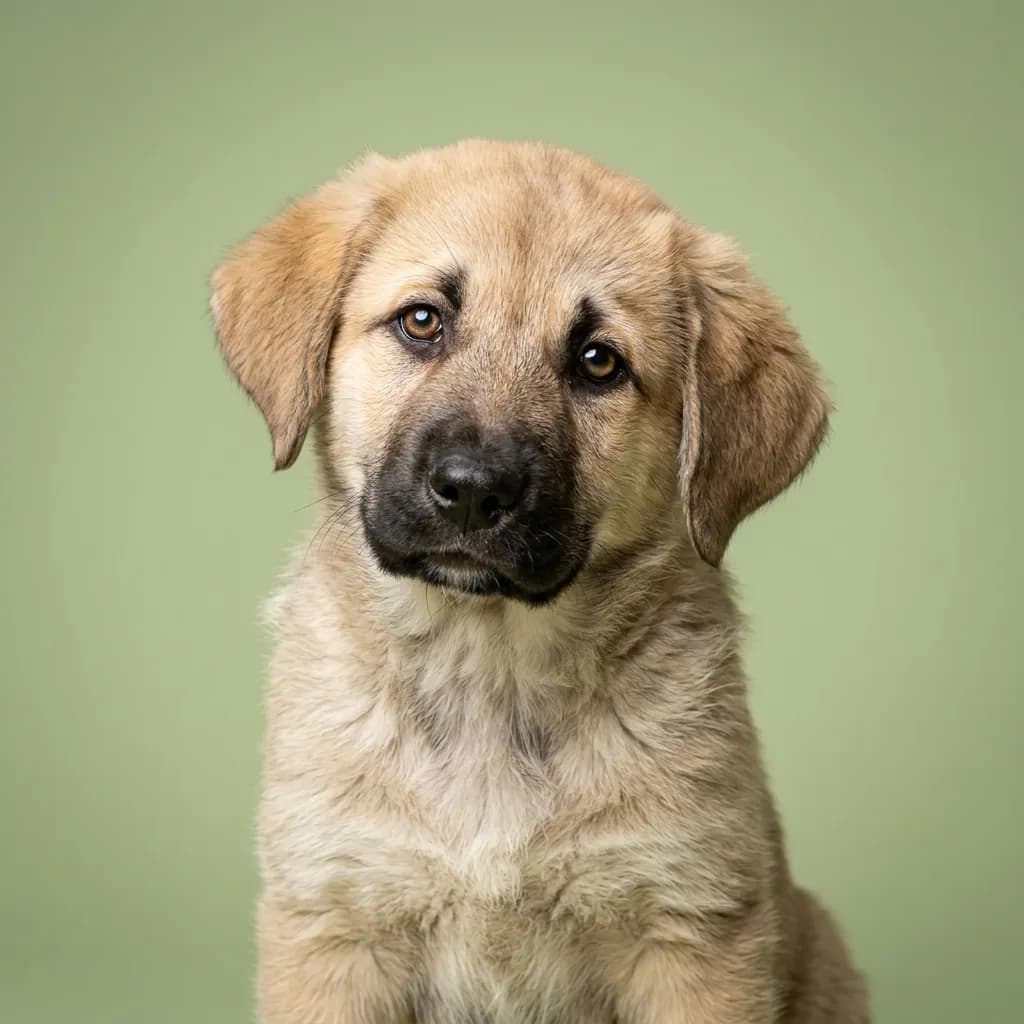
You’re probably not cross-shopping a Japanese mountain dog and a Portuguese livestock guardian unless you’re deep in the weeds of rare breeds or need a tough, weatherproof dog for a rugged lifestyle. People compare them because both are ancient, protective, and built for serious climates. But that’s where the similarities end. The Hokkaido is compact, intense, and thrives on purpose. Think of it as the focused athlete. built for hiking, hunting, and bonding deeply with one person. It’s alert and will bark at change, but it’s also eager to please, making it easier to train than most spitz types. You’ll need time and consistency, though. This isn’t a breed that settles into suburbia easily. It’s suspicious of strangers and can be reserved with kids, not because it’s aggressive but because it doesn’t do casual. The Rafeiro do Alentejo is the opposite in presence. massive, calm, and built like a draft horse with a job to do. It moves slowly, but its presence alone deters trouble. It was bred to make independent decisions guarding flocks at night, so it doesn’t need constant direction. That makes it surprisingly trainable in the right context, but you won’t take it off-leash in an open field and expect recall. It’s not lazy, but its energy is deliberate. You don’t walk this dog. You deploy it. If you live on a farm and want a living fence, the Rafeiro is unmatched. If you’re an active owner in a cold climate who wants a loyal, responsive partner, the Hokkaido fits. But here’s the real talk: both breeds bond tightly, but the Rafeiro will tolerate you, while the Hokkaido will obsess over you. That kind of loyalty is powerful. but it’s not low maintenance.
Trait-by-trait
Higher bar = more of that trait. Shedding, barking, drooling, grooming flipped for readability.Where they diverge
Choose the Hokkaido if…
- Experienced dog owners
- Active families
- Cold climates
- You value mental stimulation needs — Hokkaido scores noticeably higher.
Choose the Rafeiro do Alentejo if…
- Experienced large-breed owners
- Farm or rural environments
- Livestock guardian needs
- You value drooling level — Rafeiro do Alentejo scores higher here.