Icelandic Sheepdog vs Puli
Side-by-side comparison across all 14 AKC trait ratings, with a clear verdict on which breed fits which kind of household.
Not sure which breed fits your life?
Answer five questions about your home, your schedule, and your tolerance for shedding. We’ll match you to your top three breeds from over 200.
Icelandic Sheepdog vs Puli
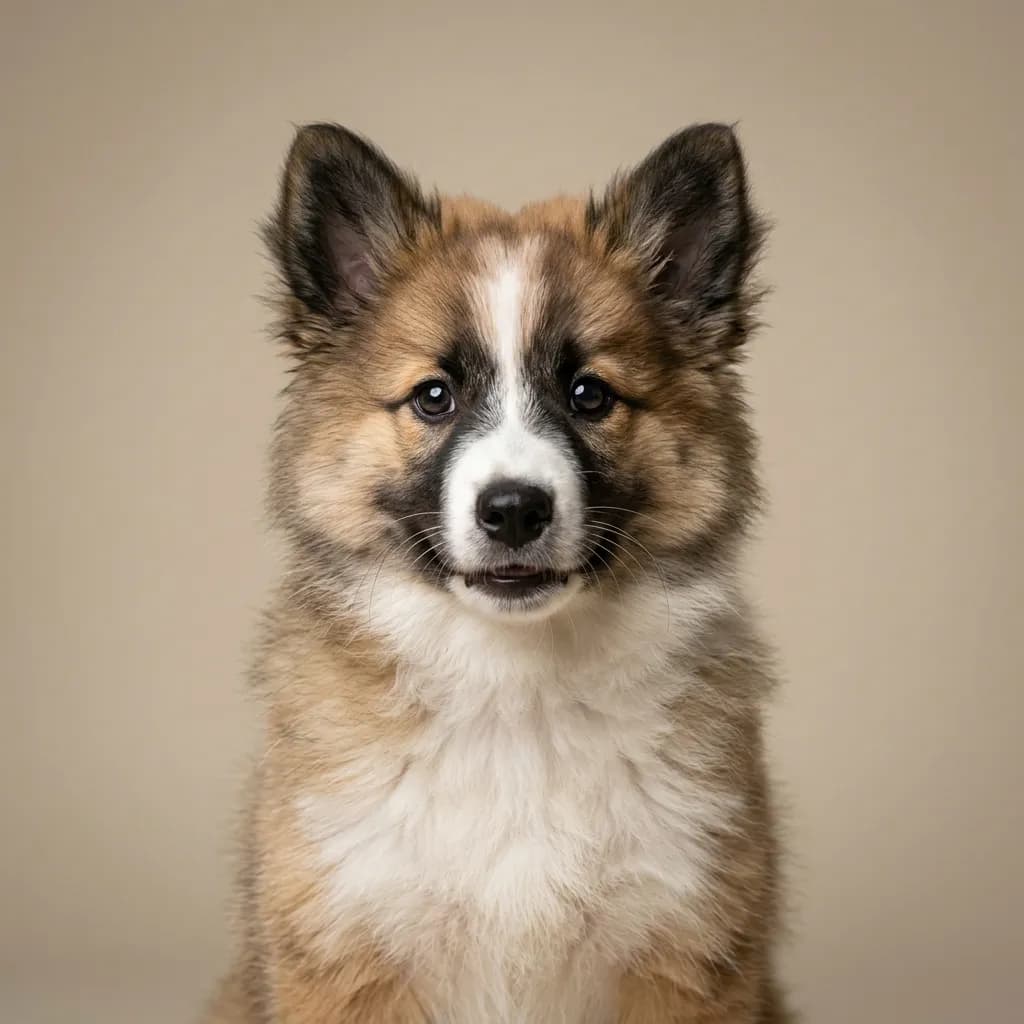
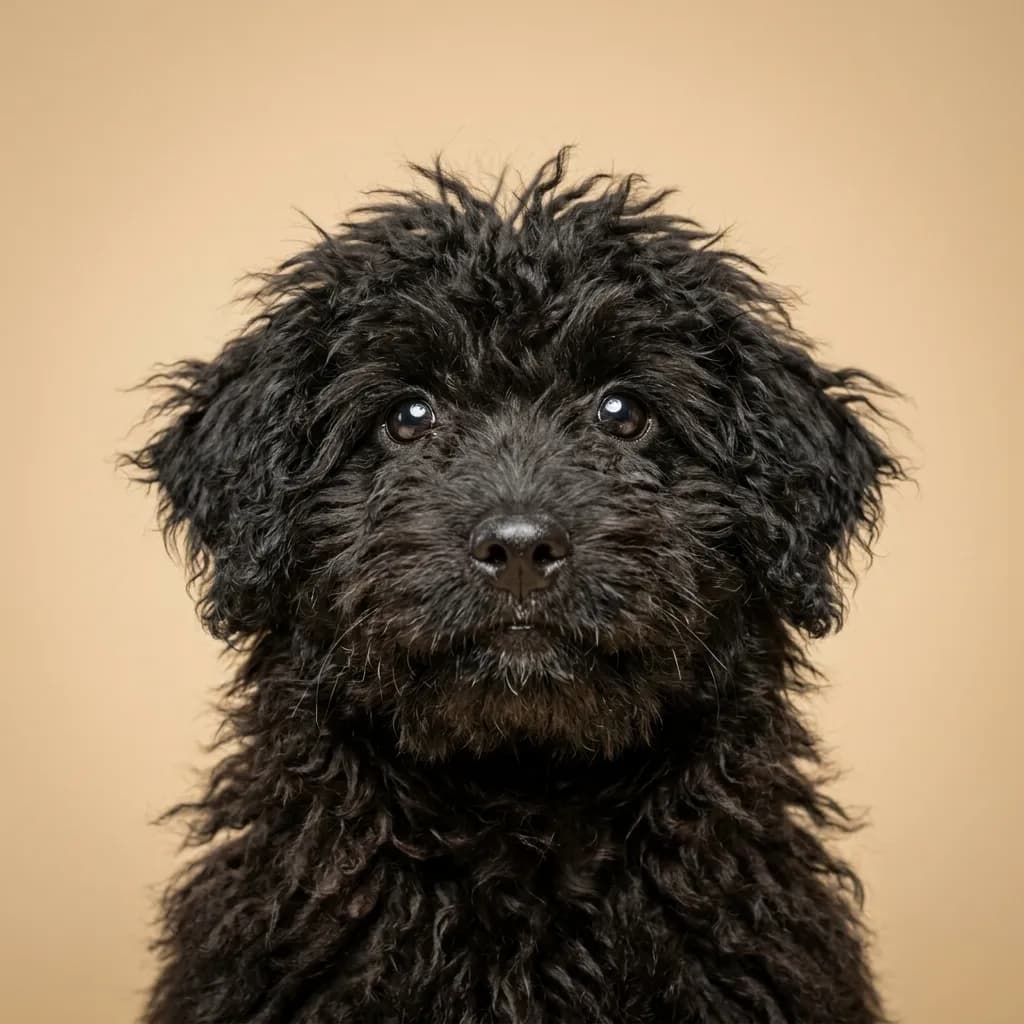
People compare the Icelandic Sheepdog and the Puli because they’re both rare, medium-sized herding breeds with big personalities and coats that turn heads. At first glance, they seem like quirky, energetic options for active homes. But living with them? That’s where the paths split. The Icelandic Sheepdog is your cheerful, bouncy teammate. It’s the dog that will join the kids on a bike ride, greet your guests like long-lost cousins, and learn new tricks just to see you smile. It thrives on involvement. If you’ve got a yard in a cooler climate and a family that’s outdoorsy but not overly intense, this dog fits like a favorite sweater. Yes, it barks. four out of five for a reason. and you’ll need to manage that in close quarters, but its warmth and ease with kids make it a standout for first-time owners who can meet its energy needs. The Puli is a different kind of companion. That signature corded coat isn’t just fashion. it’s commitment. You’re spending hours detangling and maintaining it, or resigning yourself to shaving it down (which changes its character, honestly). Pulis bond deeply with their people but are more reserved, less automatically friendly with kids. They’re sharp, observant, and a little more intense. They’re not loud, but they notice everything. This isn’t the dog to hand to a novice. It wants a handler who understands subtle cues and can lead with calm confidence. Here’s the real talk: the Icelandic Sheepdog wants to be part of your life. The Puli wants to be your partner in it. One invites everyone to the party. The other stands by the door, watching, making sure everyone belongs. Choose based on whether you want a joyful participant or a loyal sentinel.
Trait-by-trait
Higher bar = more of that trait. Shedding, barking, drooling, grooming flipped for readability.Where they diverge
Choose the Icelandic Sheepdog if…
- Active families
- Cold climates
- Families with children
- You value good with young children — Icelandic Sheepdog scores noticeably higher.
Choose the Puli if…
- Active families
- Experienced dog owners
- Those wanting a unique coat
- You value coat grooming — Puli scores higher here.