Irish Terrier vs Keeshond
Side-by-side comparison across all 14 AKC trait ratings, with a clear verdict on which breed fits which kind of household.

Not sure which breed fits your life?
Answer five questions about your home, your schedule, and your tolerance for shedding. We’ll match you to your top three breeds from over 200.
Irish Terrier vs Keeshond
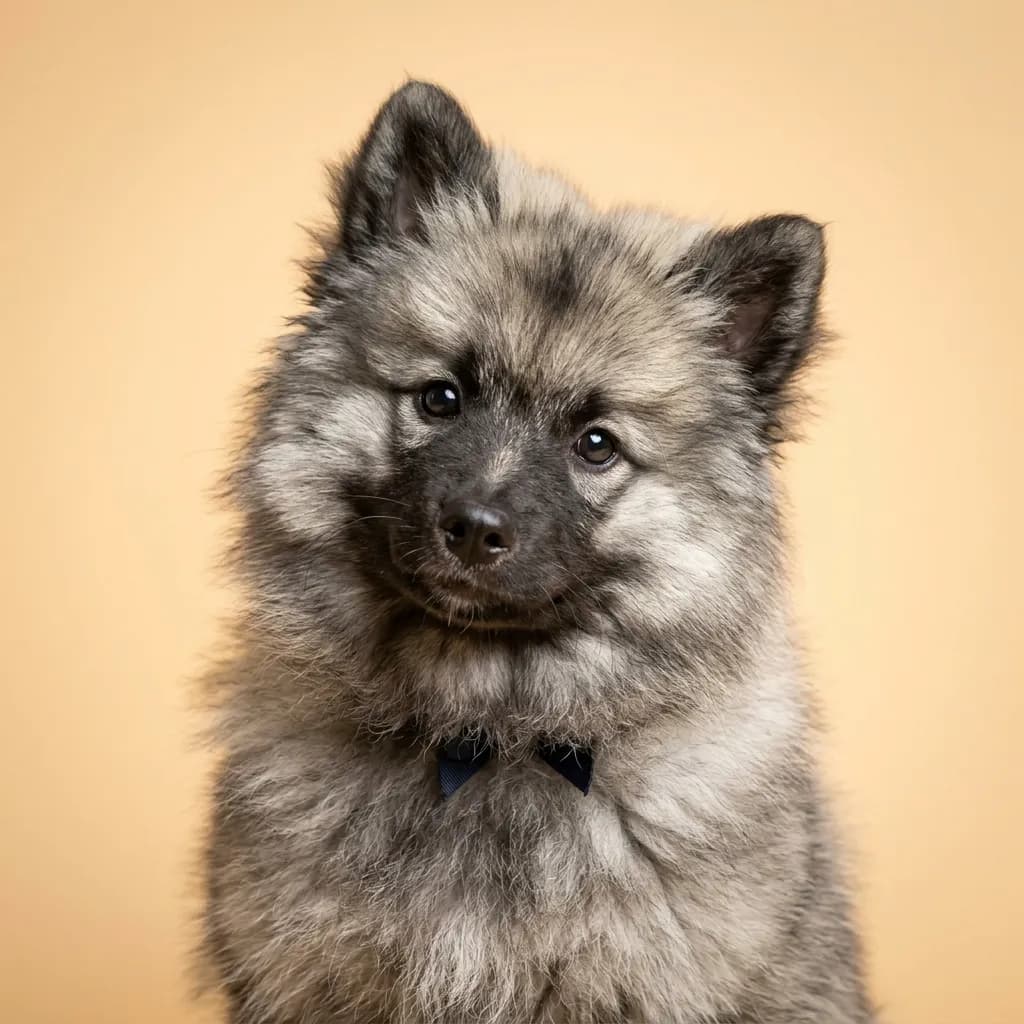
You don’t see Irish Terriers and Keeshonds squared off very often, but if you’re torn between them, you’re probably drawn to medium-sized, energetic dogs with big personalities and family-friendly hearts. Both are loyal, affectionate, and great with kids, which is why they end up on the same shortlist. But that’s where the real similarities end. The Irish Terrier is your scrappy, no-nonsense farmhand with a red coat and a backbone to match. He’s bold, a bit stubborn, and thrives when he’s got a job. whether that’s chasing squirrels in the yard or hiking miles with you on rugged trails. He’ll bond tightly with your family and guard them fiercely, but he’s not the type to sit still for long. He needs space and activity, and if he’s bored, he’ll find his own entertainment. usually involving digging or barking at nothing. He’s not for someone who wants a quiet apartment companion. The Keeshond, with his dramatic silver-and-gray ruff and expressive "spectacles," is the cheerful neighborhood greeter. Bred to bark on Dutch barges, he’ll let you know every time the mail comes, the wind blows, or a leaf falls. He’s more adaptable. fine in apartments if exercised. and easier to train than the Irish Terrier. But don’t mistake his sweetness for low maintenance. That plush coat sheds year-round and demands weekly brushing, especially in spring and fall. Here’s the real difference: the Irish Terrier is a project for someone who likes a spirited challenge. The Keeshond is a willing partner who just wants to be involved in everything you do. Pick the Irish Terrier if you’ve got the time and toughness to match him. Pick the Keeshond if you want a vocal, fluffy friend who thrives on routine and connection. And if you live somewhere hot, skip the Keeshond. his coat is built for snow, not your southern summer.
Trait-by-trait
Higher bar = more of that trait. Shedding, barking, drooling, grooming flipped for readability.Where they diverge
Choose the Irish Terrier if…
- Active families
- Outdoors enthusiasts
- Experienced terrier owners
Choose the Keeshond if…
- Families with children
- Active owners
- Cold climates
- You value good with other dogs — Keeshond scores higher here.