Italian Greyhound vs Japanese Spitz
Side-by-side comparison across all 14 AKC trait ratings, with a clear verdict on which breed fits which kind of household.

Not sure which breed fits your life?
Answer five questions about your home, your schedule, and your tolerance for shedding. We’ll match you to your top three breeds from over 200.
Italian Greyhound vs Japanese Spitz
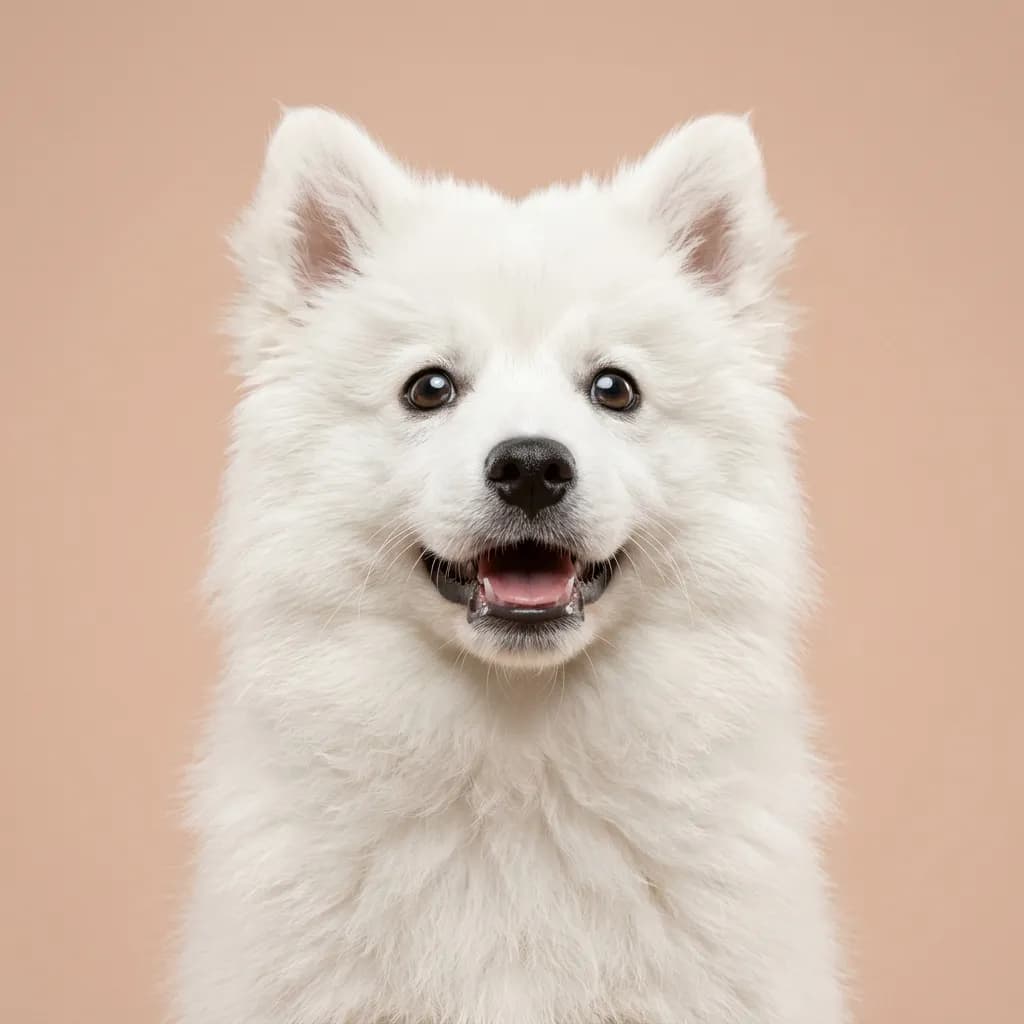
People compare Italian Greyhounds and Japanese Spitz because they’re both small, fluffy at first glance, and thrive as lap-sized companions. But look closer and you’re dealing with two totally different kinds of magic. The Italian Greyhound is like a delicate porcelain statue that comes to life. Sleek, warm to the touch, and built like a tiny greyhound, they’re sprinters in living rooms, darting from couch to windowsill in seconds. They bond fiercely, curling up on your chest like a purring cat, but they’re not for everyone. Their legs snap like twigs if stepped on, and they shiver in anything below 60 degrees. You’ll need sweaters, patience, and a home without toddlers who don’t know their own strength. The Japanese Spitz, on the other hand, is the snowball with a motor. Fluffy, bright white, and always on alert, they’re more resilient physically but demand grooming. That gorgeous coat? It sheds year-round and mats if ignored. They’re cheerful and bold, often barking at doorbells, birds, or passing shadows. Kids usually adore them, and they tend to be easier to train than IGs. but not by much. Both breeds score low on barking control, but the Spitz actually means it when it barks. Here’s the real difference: the Italian Greyhound is a mood mirror. Quiet, sensitive, they’ll vanish if you raise your voice. The Japanese Spitz is a little watchdog with a big-dog complex, loyal to the whole family. Pick the IG if you want a velvety shadow who’s always touching you. Pick the Spitz if you want a cheerful, alert companion who looks like a living teddy bear and doesn’t mind the cold. Just be ready to brush that coat three times a week. no shortcuts.
Trait-by-trait
Higher bar = more of that trait. Shedding, barking, drooling, grooming flipped for readability.Where they diverge
Choose the Italian Greyhound if…
- Apartment dwellers
- Seniors
- Gentle families
- You value good with other dogs — Italian Greyhound scores noticeably higher.
Choose the Japanese Spitz if…
- Apartment dwellers
- Families with children
- First-time owners
- You value coat grooming — Japanese Spitz scores higher here.