Italian Greyhound vs Keeshond
Side-by-side comparison across all 14 AKC trait ratings, with a clear verdict on which breed fits which kind of household.

Not sure which breed fits your life?
Answer five questions about your home, your schedule, and your tolerance for shedding. We’ll match you to your top three breeds from over 200.
Italian Greyhound vs Keeshond
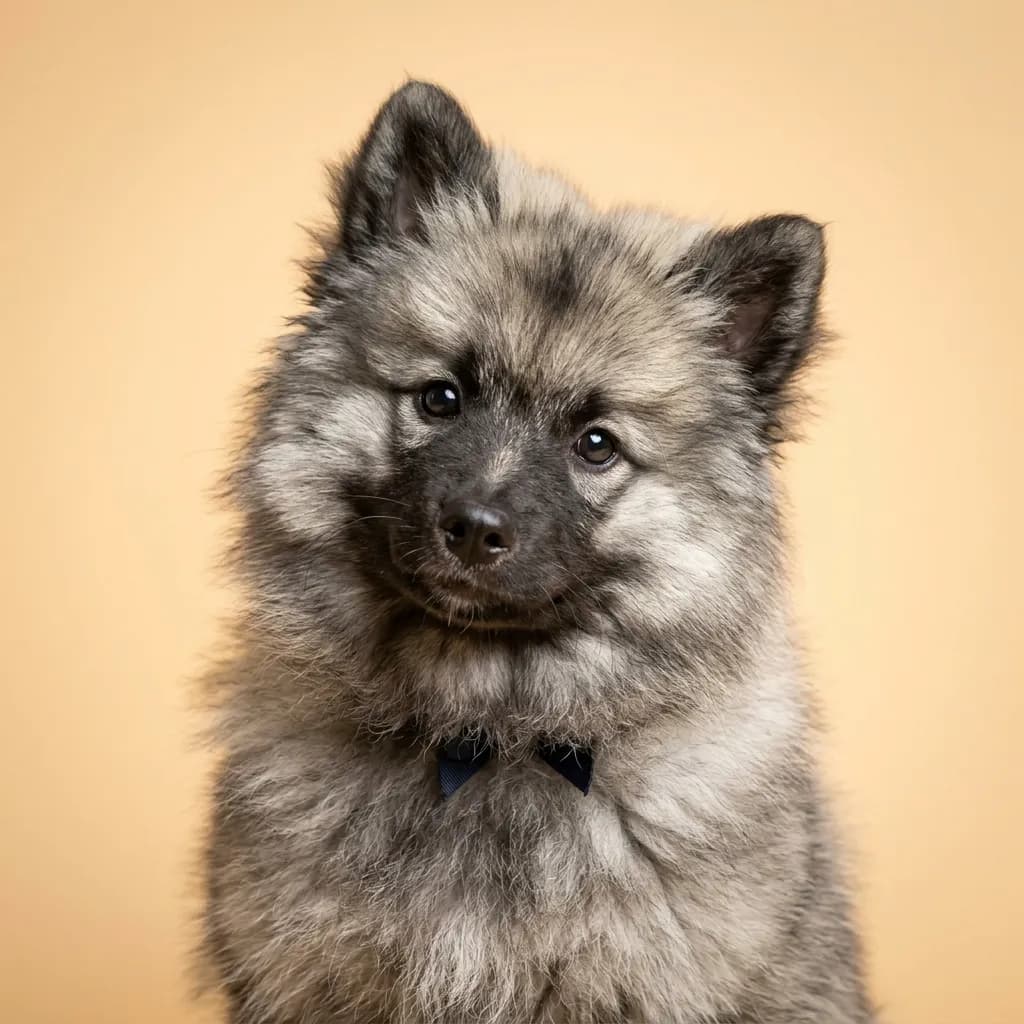
People compare Italian Greyhounds and Keeshonds because both are affectionate, compact dogs that thrive on human connection. But that’s where the similarities end. Think of it this way: one’s a porcelain teacup that doubles as a racecar, the other’s a plush, smiling teddy bear with a watchdog’s bark. The Italian Greyhound is delicate. At 7 to 14 pounds, they’re built like wind, not war. They’ll sprint across your living room at 3 a.m. just because, then curl into your side like they’ve always belonged there. They’re sensitive. raised voices or chaos can send them skittering. Great for retirees or calm households, but not for homes with toddlers who don’t know their own strength. You’ll need sweaters in winter. And yes, they break bones if dropped or twisted wrong. leg fractures are a real risk. But they’re smart, easy to train, and bond fiercely. The Keeshond, meanwhile, is a 35 to 45 pound social butterfly with a fox face and a ruff like a lion. They were bred to bark from Dutch barges, so yes, they’ll alert you to the mailman, the squirrel, and the neighbor’s new trash can. They’re sturdier, kid-proof in temperament, and built for colder weather thanks to their thick double coat. But that coat sheds. expect fur on your clothes. And they need engagement. Ignore a Keeshond and they’ll find their own entertainment, usually involving your shoes. Here’s the real difference: the Italian Greyhound is a quiet luxury, best appreciated in a peaceful setting. The Keeshond is a joyful, furry roommate who wants to be part of everything. If you want a dog that’s always with you but not in the action, go Italian Greyhound. If you want a dog who acts like they’re co-hosting your life, get the Keeshond.
Trait-by-trait
Higher bar = more of that trait. Shedding, barking, drooling, grooming flipped for readability.Where they diverge
Choose the Italian Greyhound if…
- Apartment dwellers
- Seniors
- Gentle families
Choose the Keeshond if…
- Families with children
- Active owners
- Cold climates
- You value good with young children — Keeshond scores higher here.