Japanese Chin vs Schipperke
Side-by-side comparison across all 14 AKC trait ratings, with a clear verdict on which breed fits which kind of household.

Not sure which breed fits your life?
Answer five questions about your home, your schedule, and your tolerance for shedding. We’ll match you to your top three breeds from over 200.
Japanese Chin vs Schipperke
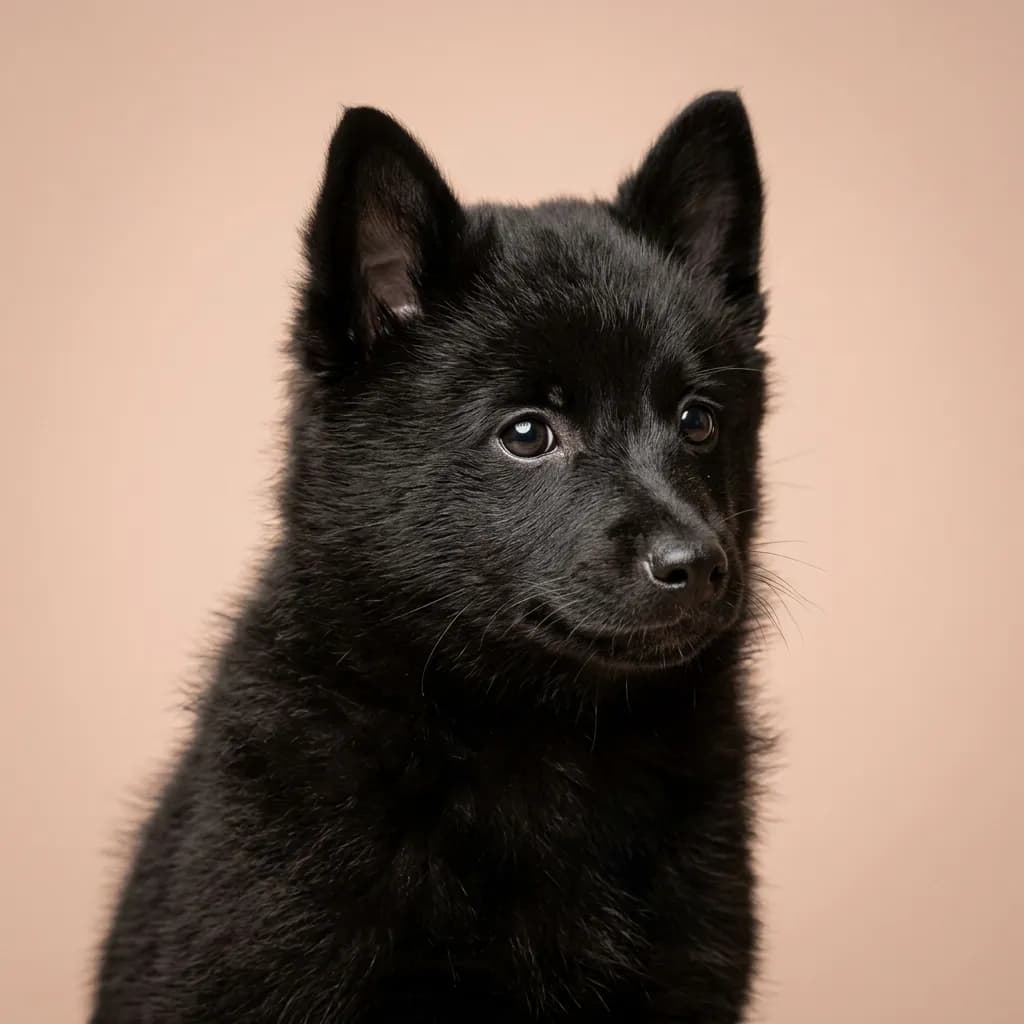
You’d think a Japanese Chin and a Schipperke wouldn’t end up on the same comparison list. One’s a silken lap ornament from an emperor’s sleeve, the other a feisty little barge rat from Belgian canals. But people compare them because they’re both small, both pack serious personality in under 16 pounds, and both look like they stepped out of a storybook. That’s where the similarities fade. The Chin is your quiet confidant. They’ll curl in your lap during a movie, blink at you with those soulful eyes, and maybe spin in a circle just to remind you they’re fancy. They’re not loud, not hyper, but deeply tuned into your mood. They hate heat, hate chaos, and will literally stop breathing comfortably if stressed. thanks to their squished faces. If you live in a quiet apartment, work from home, or want a gentle shadow, the Chin could be magic. The Schipperke? They’re the dog that will bark at the toaster. Fearless, inquisitive, always on patrol. They’re not built for stillness. You’ll find them investigating the backyard at 6 a.m., chasing leaves like they’re sworn enemies. They bond fiercely but need jobs, even if it’s just guarding your socks from the vacuum. They’re better for someone with a yard, a bit of outdoor space, and the patience for a dog that thinks it’s a ten-pound watchdog. Here’s the real difference: the Chin lives to love you. The Schipperke lives to do something. Pick based on your energy, not your space. A calm home with a busy mind suits the Chin. A lively home with time for training? That’s Schipperke territory. And one truth the breed standards won’t tell you: the Chin might steal your heart, but the Schipperke will steal your shoes. and your attention every single day.
Trait-by-trait
Higher bar = more of that trait. Shedding, barking, drooling, grooming flipped for readability.Where they diverge
Choose the Japanese Chin if…
- Apartment dwellers
- Seniors
- Gentle quiet households
- You value good with other dogs — Japanese Chin scores noticeably higher.
Choose the Schipperke if…
- Active owners
- Those wanting a small but bold breed
- Suburban or rural settings
- You value watchdog / protective — Schipperke scores higher here.