Japanese Spitz vs Shih Tzu
Side-by-side comparison across all 14 AKC trait ratings, with a clear verdict on which breed fits which kind of household.

Not sure which breed fits your life?
Answer five questions about your home, your schedule, and your tolerance for shedding. We’ll match you to your top three breeds from over 200.
Japanese Spitz vs Shih Tzu
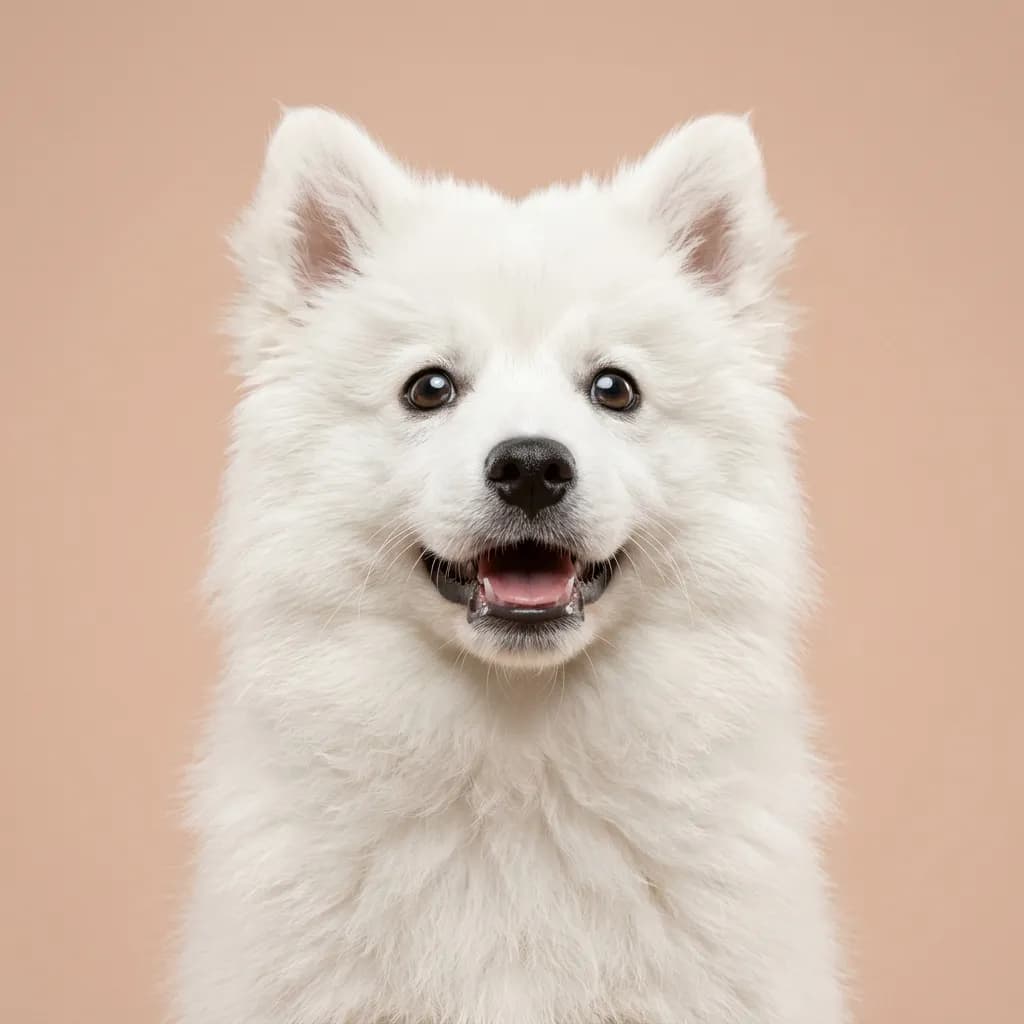
People toss Japanese Spitz and Shih Tzu into the same "small, fluffy, friendly" pile, but they’re really different flavors of companion dog. Both are affectionate, lap-ready, and thrive on human attention, but that’s where the easy comparison ends. The Japanese Spitz is like a cheerful snowball with a hint of watchdog instinct. Slightly taller and leaner, they’ve got that bright white double coat that looks pristine. until you realize it sheds year-round and needs weekly brushing, especially in spring. They’re smart and loyal, but don’t mistake their eagerness for instant obedience. Training takes consistency, and their medium bark level means they’ll announce the mailman like it’s a national emergency. They adapt well to apartments, but their coat makes hot, humid climates a struggle. Think of them as devoted little friends who want to be involved in everything you do. The Shih Tzu, meanwhile, is the ultimate velcro dog. Bred for centuries to be a royal lap ornament, they live to cuddle. Their long, flowing coat sheds almost nothing. which is great for allergies but means daily brushing or professional grooming every few weeks. No skipping that. Their flat faces mean they overheat easily and can’t handle strenuous activity, so they’re perfect for seniors or city dwellers who want a calm, loving presence. They’re slightly easier to train than the Spitz, and they’re famously good with gentle kids. Here’s the real talk: if you want a dog that looks effortlessly clean and don’t mind serious grooming, go Shih Tzu. If you want a slightly more independent, alert companion with seasonal shedding and a bit more presence, the Japanese Spitz might surprise you. Just don’t buy either breed expecting a low-maintenance fluffball. those don’t exist.
Trait-by-trait
Higher bar = more of that trait. Shedding, barking, drooling, grooming flipped for readability.Where they diverge
Choose the Japanese Spitz if…
- Apartment dwellers
- Families with children
- First-time owners
- You value shedding level — Japanese Spitz scores noticeably higher.
Choose the Shih Tzu if…
- Apartment living
- Seniors
- Families with gentle children
- You value good with young children — Shih Tzu scores higher here.