Jindo vs Rhodesian Ridgeback
Side-by-side comparison across all 14 AKC trait ratings, with a clear verdict on which breed fits which kind of household.
Not sure which breed fits your life?
Answer five questions about your home, your schedule, and your tolerance for shedding. We’ll match you to your top three breeds from over 200.
Jindo vs Rhodesian Ridgeback
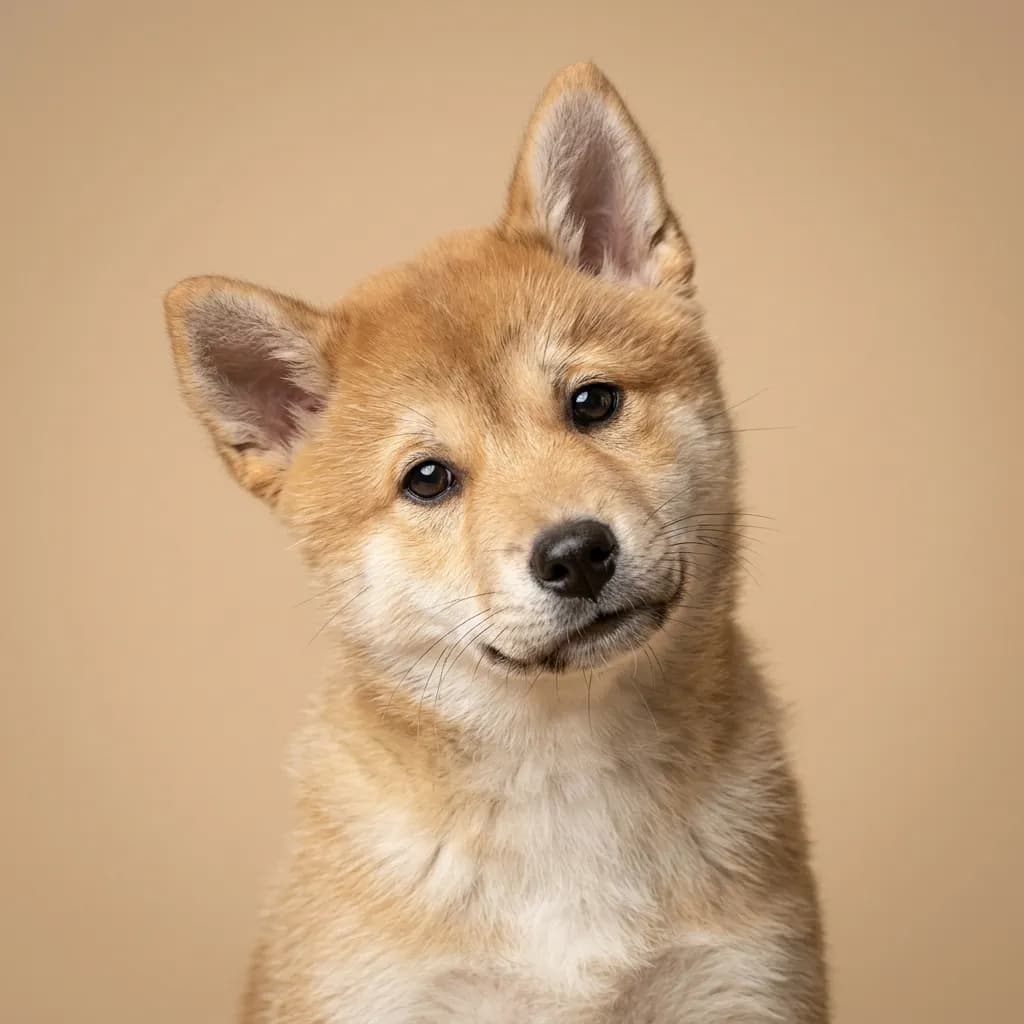
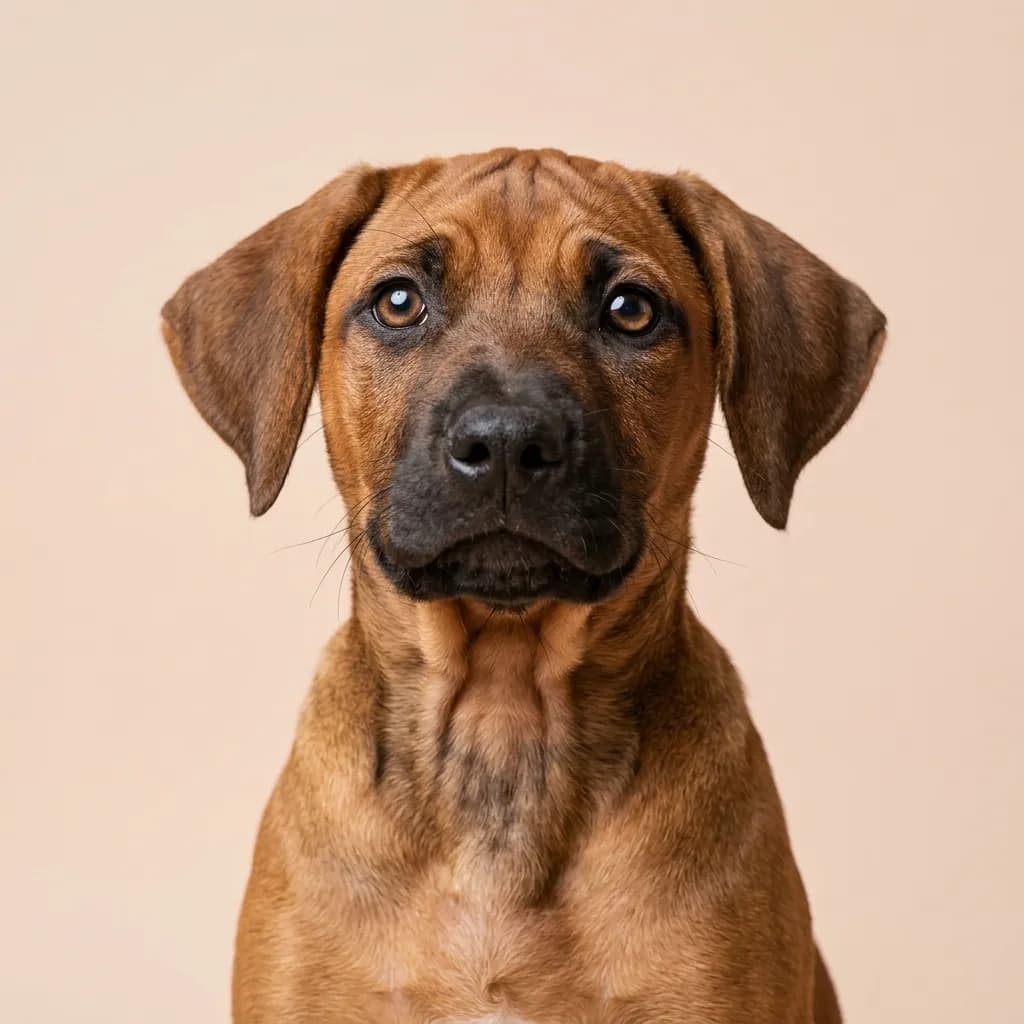
People compare Jindos and Rhodesian Ridgebacks because they’re both independent, striking-looking breeds with a strong sense of self and a history of taking on big game. But that’s where the similarities end. Think of it like this: the Jindo is the intense, laser-focused athlete who lives for the mission, while the Ridgeback is the calm, confident guardian who keeps its cool even in chaos. The Jindo is lean and lightning-fast, built for rugged Korean islands and serious work. It’s incredibly intelligent and bold, but that independence means it won’t always take direction from just anyone. You’ll need experience, consistency, and a yard with a solid fence. this dog won’t reliably come when called, and it’s known to chase small animals. It’s loyal in its own way, but affection comes on its terms. If you want a dog that thrives in rural settings, loves a job, and forms a deep bond with one person, the Jindo might be your match. The Ridgeback, in contrast, is larger and more laid-back. At 70 to 85 pounds, it’s built like a tank but moves with grace. It’s more adaptable to different living situations and genuinely affectionate with families, earning top marks for being good with kids. It was bred to hold lions at bay, not kill them, which explains its controlled intensity. You’ll still need to be an experienced owner. this isn’t a beginner’s dog. but you’re more likely to find a Ridgeback that fits into family life without constant vigilance. Here’s the real talk: both breeds are prone to wandering, but for different reasons. The Jindo escapes out of instinctive drive. The Ridgeback wanders out of curiosity. Either way, a fence isn’t optional. it’s survival.
Trait-by-trait
Higher bar = more of that trait. Shedding, barking, drooling, grooming flipped for readability.Where they diverge
Choose the Jindo if…
- Experienced dog owners
- Active individuals
- Families with older children
- You value energy level — Jindo scores noticeably higher.
Choose the Rhodesian Ridgeback if…
- Active experienced owners
- Running and hiking companions
- Families with older children
- You value affectionate w/ family — Rhodesian Ridgeback scores higher here.