Jindo vs Shiba Inu
Side-by-side comparison across all 14 AKC trait ratings, with a clear verdict on which breed fits which kind of household.
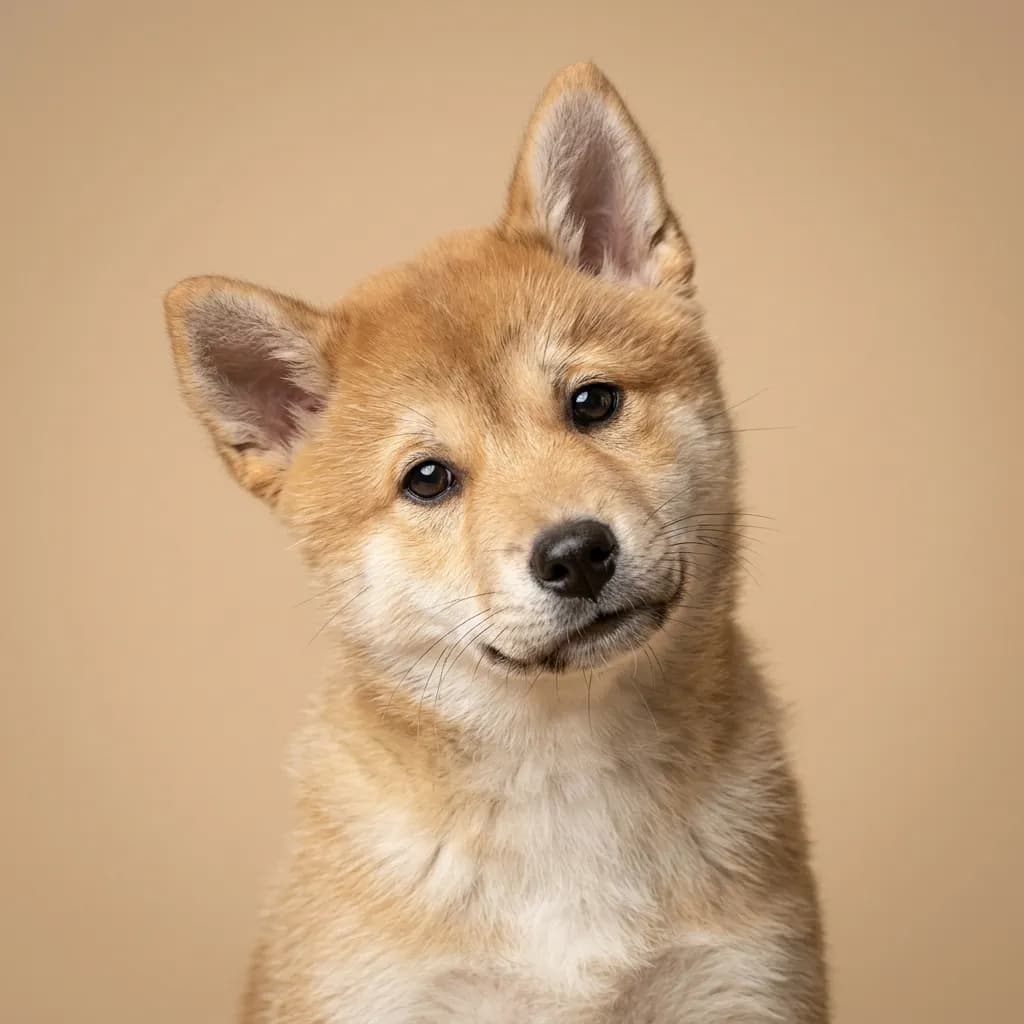
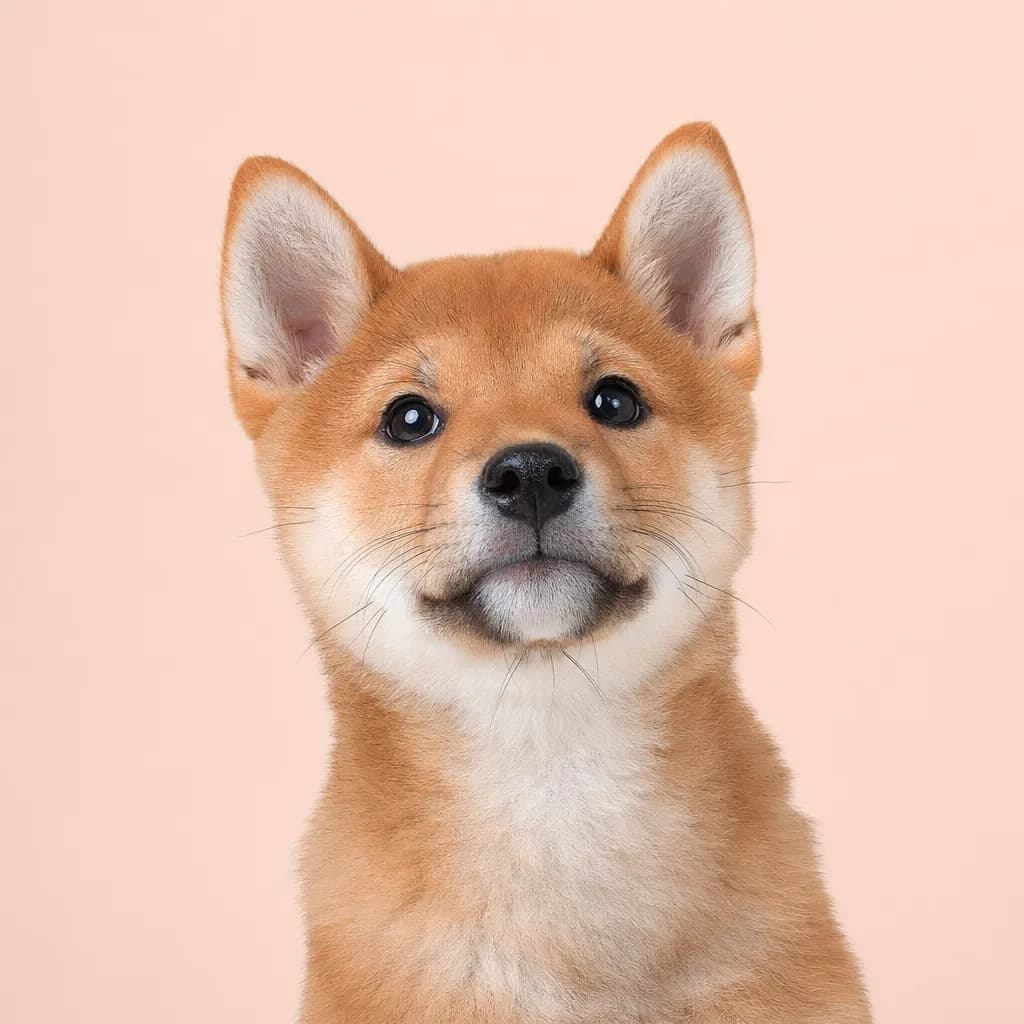
Not sure which breed fits your life?
Answer five questions about your home, your schedule, and your tolerance for shedding. We’ll match you to your top three breeds from over 200.
Jindo vs Shiba Inu
People compare Jindos and Shiba Inus because they look like distant cousins. tipped ears, curly tails, that wild, fox-like face. but don’t be fooled by the resemblance. These breeds come from neighboring countries but live on opposite ends of the independence spectrum, and your lifestyle will determine which one thrives in your home. The Shiba Inu is the Instagram star: compact, bold, and fiercely self-possessed. They’re cat-like in their aloofness, bonding deeply with one or two people but staying wary of strangers. They’re easier to house in a city apartment thanks to their smaller size, but don’t mistake their adaptability for obedience. Shiba owners will tell you they’re more like negotiating with a tiny, fluffy CEO than training a dog. Their affection surprises you. sudden cuddles, then they’re gone. They shed heavily twice a year, and good luck with off-leash walks. Most will bolt at the sight of a squirrel. The Jindo is bigger, bolder, and bred for rugged island terrain. They’re intensely loyal to their person, but that loyalty comes with a caveat: they’re not forgiving of mistakes or inconsistency. Jindos need space and purpose. You can’t just “walk” a Jindo. you have to challenge them, mentally and physically. They’re calmer than Shiba Inus in the home but far less tolerant of chaos or young kids. And while both breeds are independent, the Jindo’s loyalty borders on single-person devotion, making them poor choices for families wanting a communal pet. Here’s the real talk: neither breed is truly “trainable” in the traditional sense. But if you want a dog that mirrors your intensity and earns your trust daily, the Jindo might be your match. If you love a spirited companion with a dash of mischief and don’t mind being subtly managed by a 20-pound dynamo, go Shiba. Both will outthink you. Choose the one whose will matches yours.
Trait-by-trait
Higher bar = more of that trait. Shedding, barking, drooling, grooming flipped for readability.Where they diverge
Choose the Jindo if…
- Experienced dog owners
- Active individuals
- Families with older children
- You value trainability — Jindo scores noticeably higher.
Choose the Shiba Inu if…
- Experienced dog owners
- Those wanting a cat-like independence
- Active owners
- You value affectionate w/ family — Shiba Inu scores higher here.