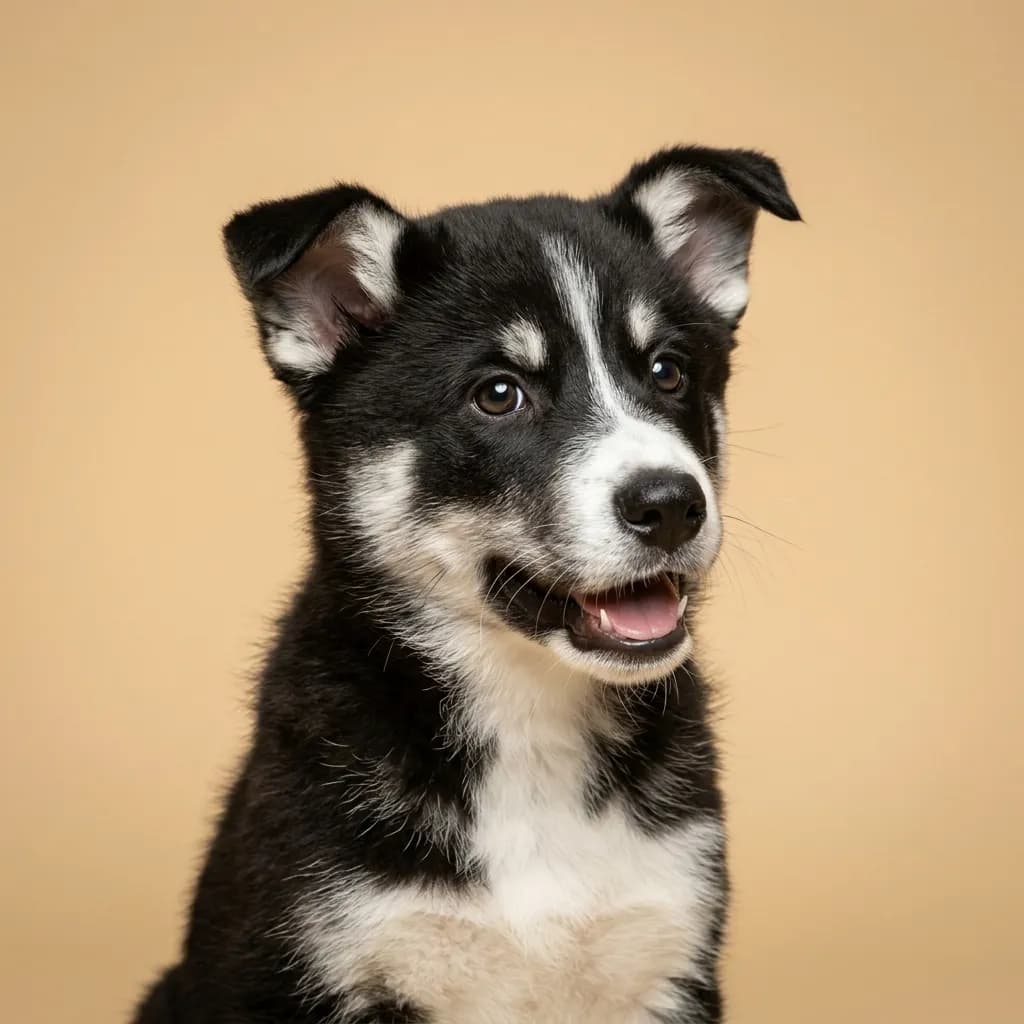
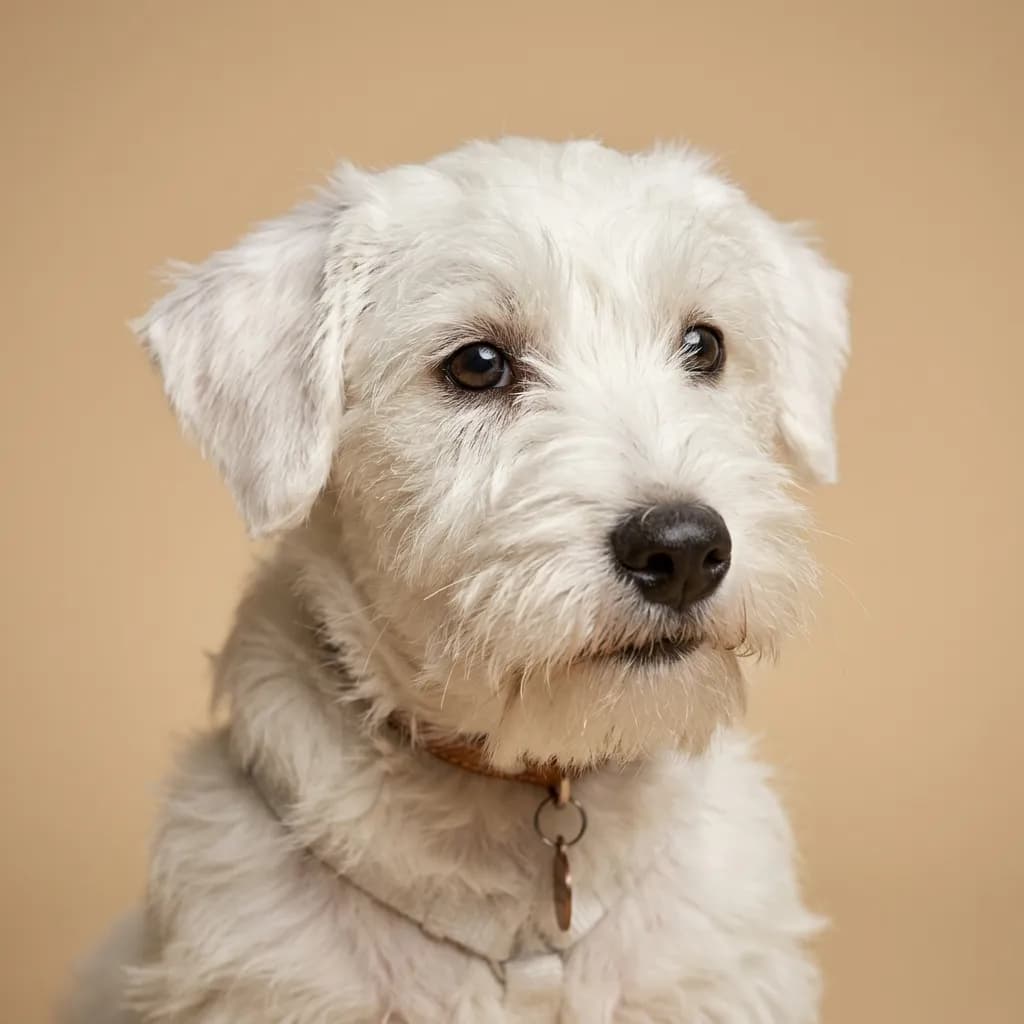
Karelian Bear Dog vs Sealyham Terrier
Side-by-side comparison across all 14 AKC trait ratings, with a clear verdict on which breed fits which kind of household.
Not sure which breed fits your life?
Answer five questions about your home, your schedule, and your tolerance for shedding. We’ll match you to your top three breeds from over 200.
Karelian Bear Dog vs Sealyham Terrier
You’re not going to find many folks weighing these two breeds unless they’re deep in the weeds of rare dog research, but here’s why they come up together: both are fearless hunters with a strong will and a surprising amount of dog in a compact package. That’s where the similarities end. The Karelian Bear Dog was built to face down moose and bear in the Finnish wilderness. This isn’t a dog that flinches. He’s intensely loyal to his person but doesn’t play well with others. especially not other dogs. and he thrives where he has a job and space to patrol. He’s not mean, but his instincts are sharp and his boundaries absolute, which makes him a poor fit for homes with kids or a second pet. The Sealyham, on the other hand, is a pocket-sized terrier with a big personality and a dry sense of humor. He’s affectionate, adaptable, and surprisingly good in apartments or with older owners. He’ll bark at a squirrel like it’s a national emergency. this is still a terrier, after all. but he’ll also curl up on your lap afterward. The real difference? Purpose. The Karelian is a working partner in a dangerous job. The Sealyham is a companion who happens to have a hunting past. If you want a dog that bonds deeply but demands respect and routine, go Karelian. but only if you’ve had strong-willed dogs before. If you want charm, grit, and a manageable terrier with history in your lap, the Sealyham’s your guy. Just be ready for grooming and those inevitable vet checks for eye issues. One thing no one talks about: both breeds are rare for a reason. You’re not just buying a dog. You’re preserving a legacy.
Trait-by-trait
Higher bar = more of that trait. Shedding, barking, drooling, grooming flipped for readability.Where they diverge
Choose the Karelian Bear Dog if…
- Experienced dog owners
- Hunters of large game
- Cold climates
- You value drooling level — Karelian Bear Dog scores noticeably higher.
Choose the Sealyham Terrier if…
- Apartment living
- Seniors
- Those wanting a less active terrier
- You value affectionate w/ family — Sealyham Terrier scores higher here.