Keeshond vs Lakeland Terrier
Side-by-side comparison across all 14 AKC trait ratings, with a clear verdict on which breed fits which kind of household.

Not sure which breed fits your life?
Answer five questions about your home, your schedule, and your tolerance for shedding. We’ll match you to your top three breeds from over 200.
Keeshond vs Lakeland Terrier
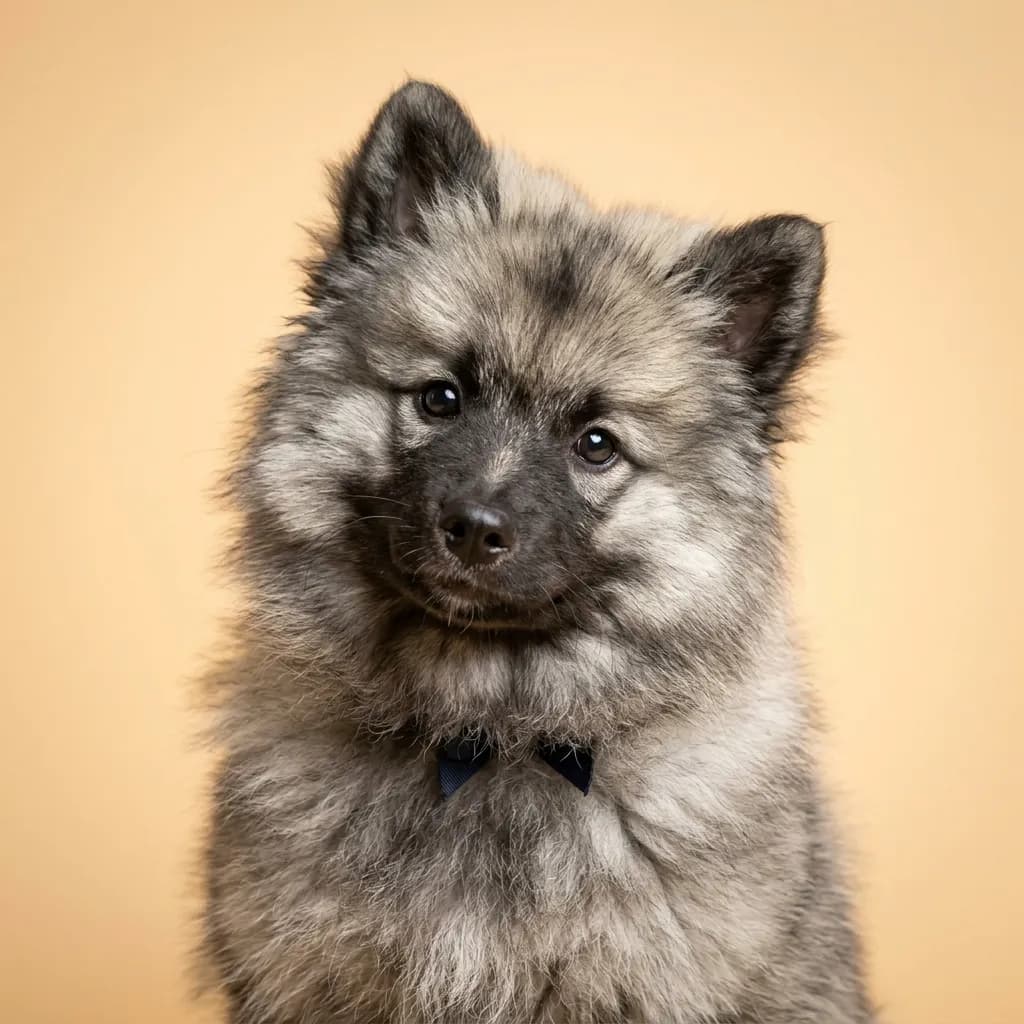
People compare Keeshonds and Lakeland Terriers because both are spirited, medium-energy dogs with bold personalities and a knack for bonding deeply with their people. But that’s where the similarities end. Think of it this way: the Keeshond is your cheerful, furry neighbor who waves at everyone and throws neighborhood block parties; the Lakeland is the adventurous friend who hikes off-trail, comes back muddy, and laughs about it over coffee. The Keeshond thrives on connection. At 35 to 45 pounds, this fluffy, expressive dog is built for cold climates and family life. He’s outgoing, highly trainable, and adores kids. he’ll follow them around like a furry bodyguard. But he barks. A lot. And he sheds year-round, more heavily twice a year. If you live in a hot apartment or hate vacuuming, this isn’t your dog. He’s also incredibly adaptable, making him great for first-time owners who want an involved companion. The Lakeland, under 17 pounds, is a compact fox hunter at heart. Bold and confident, he’s affectionate with his family but reserved with strangers. He’s less vocal and sheds minimally, making him a better fit for allergy sufferers. But he’s also more independent and harder to train. terrier stubbornness is real. He’s not ideal for homes with small pets, and his prey drive means off-leash freedom is risky. Families with young kids might find him too feisty. Here’s the insight: the Keeshond needs a job that involves you. training, dog sports, or just daily routines. The Lakeland needs a job that involves hunting. even if it’s just puzzle toys and agility. Choose the Keeshond if you want a social, outgoing family mascot. Choose the Lakeland if you want a brave little partner who’ll challenge you.
Trait-by-trait
Higher bar = more of that trait. Shedding, barking, drooling, grooming flipped for readability.Where they diverge
Choose the Keeshond if…
- Families with children
- Active owners
- Cold climates
- You value good with young children — Keeshond scores noticeably higher.
Choose the Lakeland Terrier if…
- Active owners
- Experienced terrier handlers
- Allergy sufferers