Keeshond vs Lancashire Heeler
Side-by-side comparison across all 14 AKC trait ratings, with a clear verdict on which breed fits which kind of household.

Not sure which breed fits your life?
Answer five questions about your home, your schedule, and your tolerance for shedding. We’ll match you to your top three breeds from over 200.
Keeshond vs Lancashire Heeler
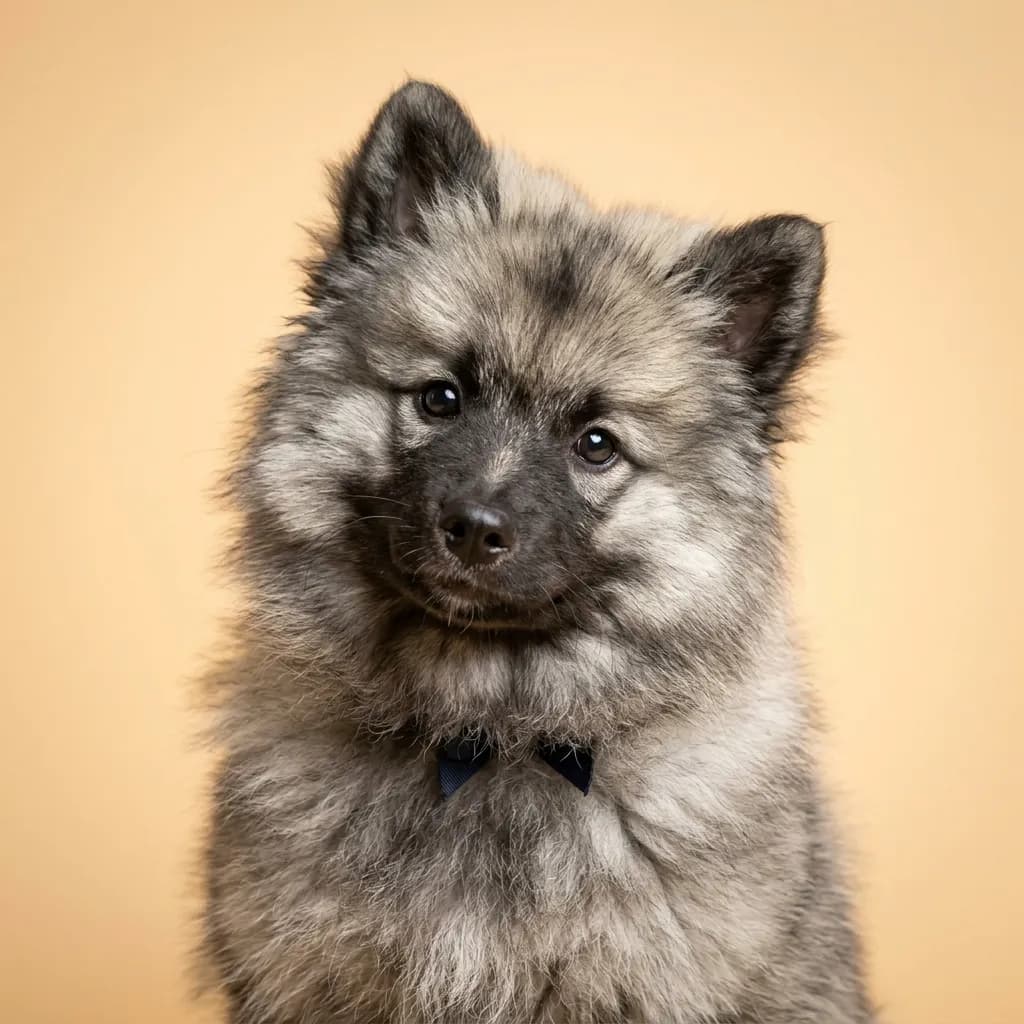
You don’t see a Keeshond and a Lancashire Heeler side by side every day, but people compare them because they’re both compact, smart, and surprisingly bold for their size. Both bark when something’s up and thrive with active families. But that’s where the similarities end. Think of the Keeshond as your cheerful, fluffy neighbor who waves from the porch in a snowstorm, always up for a chat. The Lancashire Heeler? That’s the wiry little farmhand who’s already fixed the fence before you noticed it was broken. The Keeshond is a family-first dog. At 40 pounds and covered in silver-and-gray plush, this breed lives to bond. It’s great with kids, adapts to apartment life, and actually enjoys cold weather. It’s trainable, affectionate, and will follow you from room to room like a furry life coach. But it sheds year-round and barks at the mail truck like it’s foiling a heist. If you live in Phoenix, you’ll regret this dog by July. The Lancashire Heeler is a different beast. At under 17 pounds, it’s built for action, not cuddling on the couch. Bred to nip cattle heels and chase rats, it’s got a working drive that won’t quit. It’s smart and loyal, but it needs a handler who speaks dog. First-time owners often get surprised by its intensity. It’s good with kids, sure, but it might try to herd them. And if you’ve got a hamster or a rabbit, good luck. Here’s the real talk: the Keeshond wants to be your best friend. The Lancashire Heeler wants a job. Pick based on your life. Want a gentle, all-weather companion who’s easy to love? Go Keeshond. Want a tireless partner for farm work or agility? The Heeler’s your shot. But don’t get a Heeler because it’s rare and cute. This dog will run your life, not the other way around.
Trait-by-trait
Higher bar = more of that trait. Shedding, barking, drooling, grooming flipped for readability.Where they diverge
Choose the Keeshond if…
- Families with children
- Active owners
- Cold climates
- You value coat grooming — Keeshond scores noticeably higher.
Choose the Lancashire Heeler if…
- Active families
- Experienced dog owners
- Rural or farm settings