Keeshond vs Mastiff
Side-by-side comparison across all 14 AKC trait ratings, with a clear verdict on which breed fits which kind of household.

Not sure which breed fits your life?
Answer five questions about your home, your schedule, and your tolerance for shedding. We’ll match you to your top three breeds from over 200.
Keeshond vs Mastiff
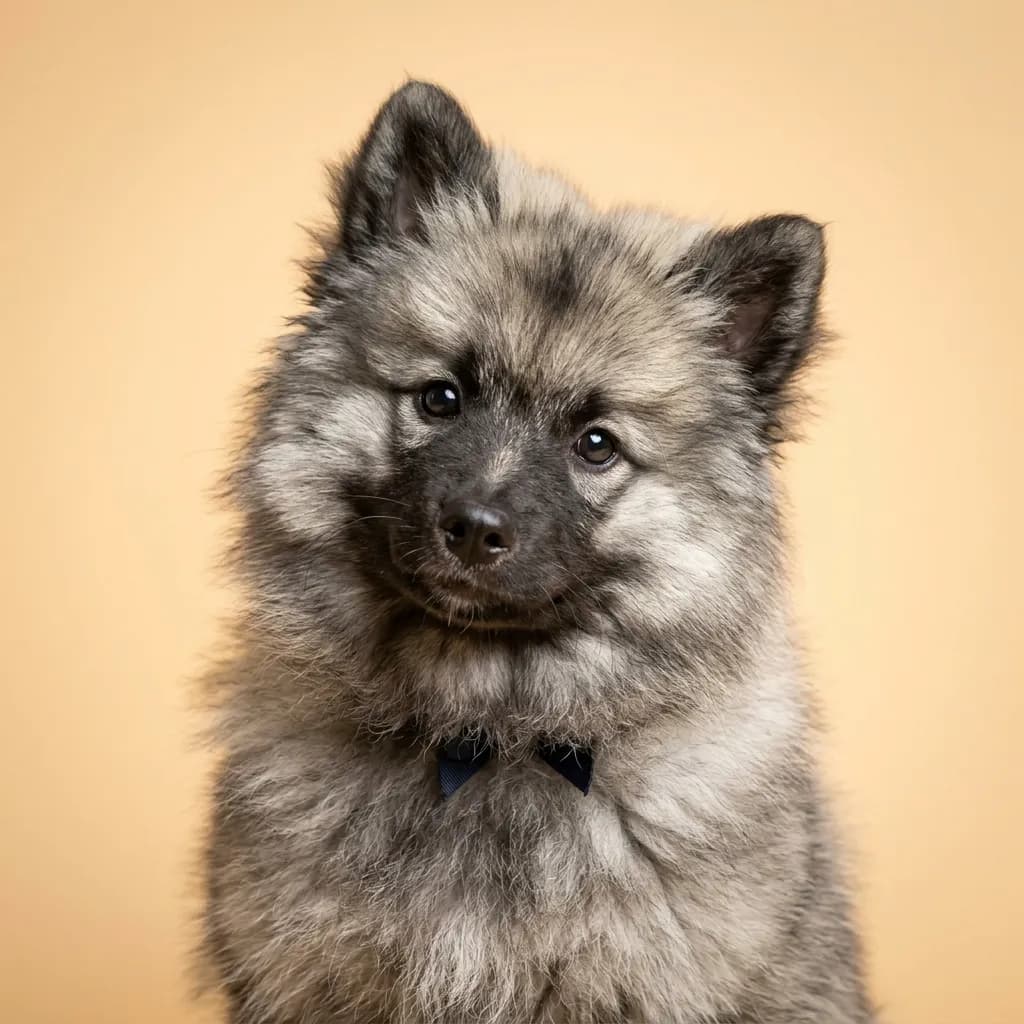
You’re probably not comparing a Keeshond and a Mastiff because they look alike. One’s a fluffy, smiling ruffian the size of a suitcase, the other a living minivan with a heartbeat. But people do pit them against each other when they’re after two things: a family dog that’s good with kids, and a loyal, affectionate home presence. That’s where the overlap ends. The Keeshond is your cheerful, talkative roommate who’s always up for a walk. At 40 pounds, he fits in apartments, loves cold weather, and bonds tightly with everyone, including toddlers. He’ll alert you to the mailman, the squirrel, and the leaf blowing across the yard. he’s got opinions and he’s not afraid to bark. You’ll spend time brushing him weekly and training is a breeze, but you’ll never escape the dog hair or the commentary. The Mastiff? He’s the silent giant who takes up half your couch. He weighs as much as five Keeshonds and needs space, both in your home and your budget. Food, vet visits, and joint supplements add up fast. He’s gentle with older kids, but his sheer size means a wagging tail can knock over a first grader. He doesn’t bark much, which is good. he’d probably shake the windows if he did. Training takes patience; he’s not stubborn, just deliberate. Here’s the real difference: the Keeshond wants to be involved in everything you do. The Mastiff wants to be near you while doing very little. If you’re active and don’t mind noise and fluff, go Keeshond. If you want a calm, imposing presence and can handle the logistics of owning a small horse, the Mastiff’s your guy. Just know this. both will love you fiercely, but the Mastiff’s love comes with a 9-year average heartbreak. They don’t live long, and that’s the price of their size.
Trait-by-trait
Higher bar = more of that trait. Shedding, barking, drooling, grooming flipped for readability.Where they diverge
Choose the Keeshond if…
- Families with children
- Active owners
- Cold climates
- You value barking level — Keeshond scores noticeably higher.
Choose the Mastiff if…
- Families with older children
- Experienced large-breed owners
- Those wanting a calm guardian
- You value drooling level — Mastiff scores higher here.