Keeshond vs Plott Hound
Side-by-side comparison across all 14 AKC trait ratings, with a clear verdict on which breed fits which kind of household.

Not sure which breed fits your life?
Answer five questions about your home, your schedule, and your tolerance for shedding. We’ll match you to your top three breeds from over 200.
Keeshond vs Plott Hound
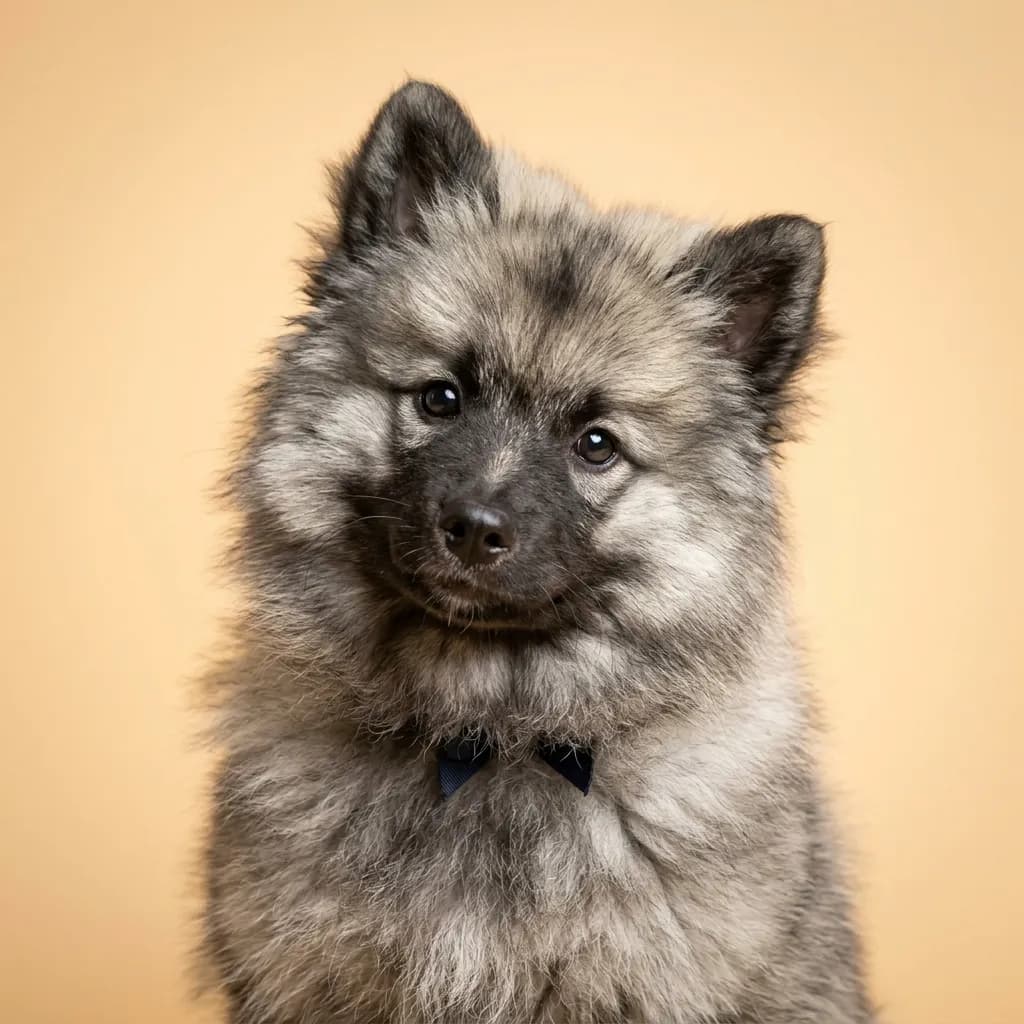
You don’t see Keeshonds and Plott Hounds lined up at the same dog parks, but people compare them when they’re after a loyal, medium-to-large dog with presence and a bit of personality. Both bark, both need involvement, and both have German roots, but that’s where the similarity ends. The Keeshond is the friendly neighborhood ambassador with a foxlike face and a plumed tail curled over its back like a comma. It was bred to sit on Dutch barges, watching over families and weathering cold river nights. That job shaped a dog who thrives indoors, glued to your side, eager to please, and vocal about anything from doorbells to squirrels. It’s a fantastic first dog for active families, especially in cooler climates. You’ll deal with weekly brushing and a fair amount of shedding, but you get a kid-friendly, adaptable companion who wants nothing more than to be part of the action. The Plott Hound? That’s a different breed of devotion. Bred to trail bears through Appalachian ridges, it’s tougher, more intense, and driven by scent in a way that can feel single-minded. It’s loyal and deeply affectionate with its people, but not naturally outgoing with kids or strangers. It’s quiet around home but will bay with purpose when it catches a trail. This isn’t a couch dog. It needs miles, mental downtime in a secure yard, and an owner who understands hound instincts. It sheds less than the Keeshond, but good luck keeping it out of trouble if bored. Here’s the real difference: the Keeshond wants to be your emotional roommate. The Plott wants to be your partner in adventure. Choose the Keeshond if you want a social, trainable family dog who barks with enthusiasm. Choose the Plott if you hike, hunt, or live rural and want a brave, focused companion who’ll guard your land but won’t cozy up to every child on the block.
Trait-by-trait
Higher bar = more of that trait. Shedding, barking, drooling, grooming flipped for readability.Where they diverge
Choose the Keeshond if…
- Families with children
- Active owners
- Cold climates
- You value good with young children — Keeshond scores noticeably higher.
Choose the Plott Hound if…
- Hunters
- Active outdoor owners
- Rural settings