Keeshond vs Rat Terrier
Side-by-side comparison across all 14 AKC trait ratings, with a clear verdict on which breed fits which kind of household.

Not sure which breed fits your life?
Answer five questions about your home, your schedule, and your tolerance for shedding. We’ll match you to your top three breeds from over 200.
Keeshond vs Rat Terrier
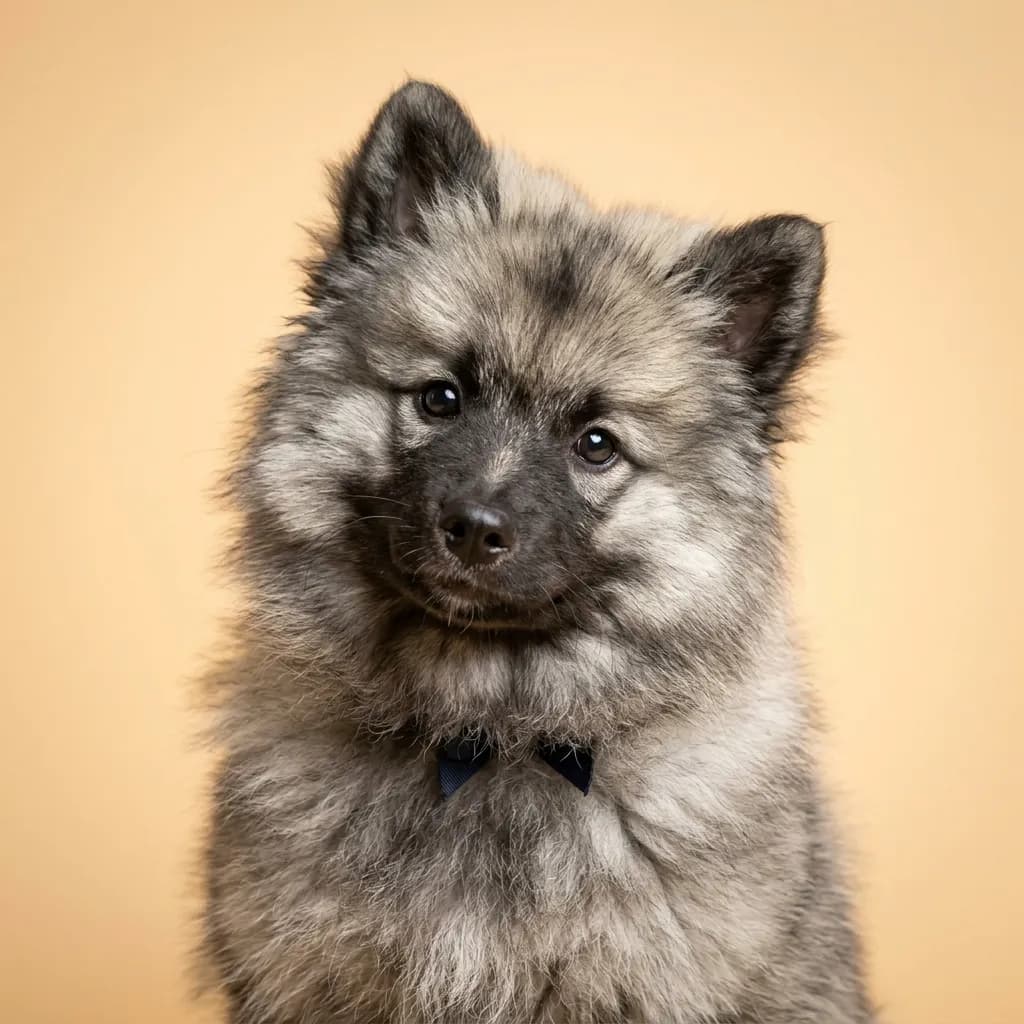
You don’t see Keeshonds and Rat Terriers in the same conversation much, but when first-time owners start digging into medium-to-small, family-friendly, bouncy companion dogs, these two pop up. On paper, they’re both friendly, trainable, and great with kids. But their rhythm is different. The Keeshond feels like a warm, fluffy hug that barks at the mailman with conviction. It’s the breed that thrives on routine, adores being part of every family moment, and will follow you from room to room in a thick gray-and-white coat that sheds year-round and blows twice a year like a snowstorm. If you live somewhere cold and want a dog that’s basically a living teddy bear with opinions, this is your guy. The Rat Terrier is leaner, quicker on its feet, and wired with a terrier’s relentless curiosity. It doesn’t just want to follow you around. it wants to investigate what’s under the couch, behind the fence, inside that suspiciously rustling bush. Bred to hunt rats on farms, it’s more independent, slightly less vocal, and better suited to warmer climates or smaller homes. But here’s the catch: if you’ve got a pet hamster or a squirrel in the backyard, this dog’s brain won’t care what you want. Its instincts will win. The real difference? The Keeshond is a companion first. The Rat Terrier is a working dog that happens to be affectionate. If you want a dog that’s deeply in sync with your emotions and loves being trained, go Keeshond. If you want a clever, compact partner for adventures and don’t mind a bit of mischief, the Rat Terrier’s your match. Just remember. both are smart and need jobs. A bored Keeshond barks the house down. A bored Rat Terrier rewrites your garden plan.
Trait-by-trait
Higher bar = more of that trait. Shedding, barking, drooling, grooming flipped for readability.Where they diverge
Choose the Keeshond if…
- Families with children
- Active owners
- Cold climates
- You value good with other dogs — Keeshond scores noticeably higher.
Choose the Rat Terrier if…
- Active families
- First-time dog owners
- Apartment or small home living
- You value mental stimulation needs — Rat Terrier scores higher here.