Keeshond vs Spinone Italiano
Side-by-side comparison across all 14 AKC trait ratings, with a clear verdict on which breed fits which kind of household.
Not sure which breed fits your life?
Answer five questions about your home, your schedule, and your tolerance for shedding. We’ll match you to your top three breeds from over 200.
Keeshond vs Spinone Italiano
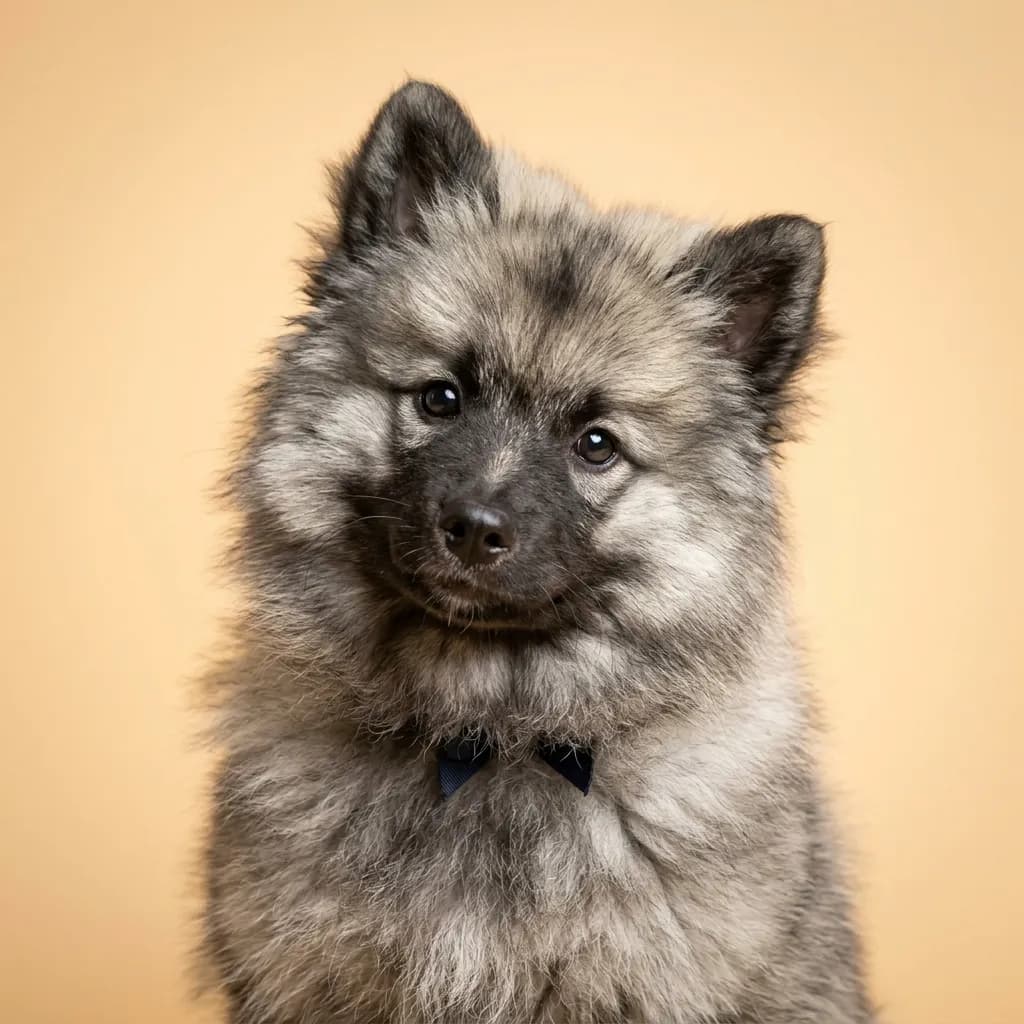
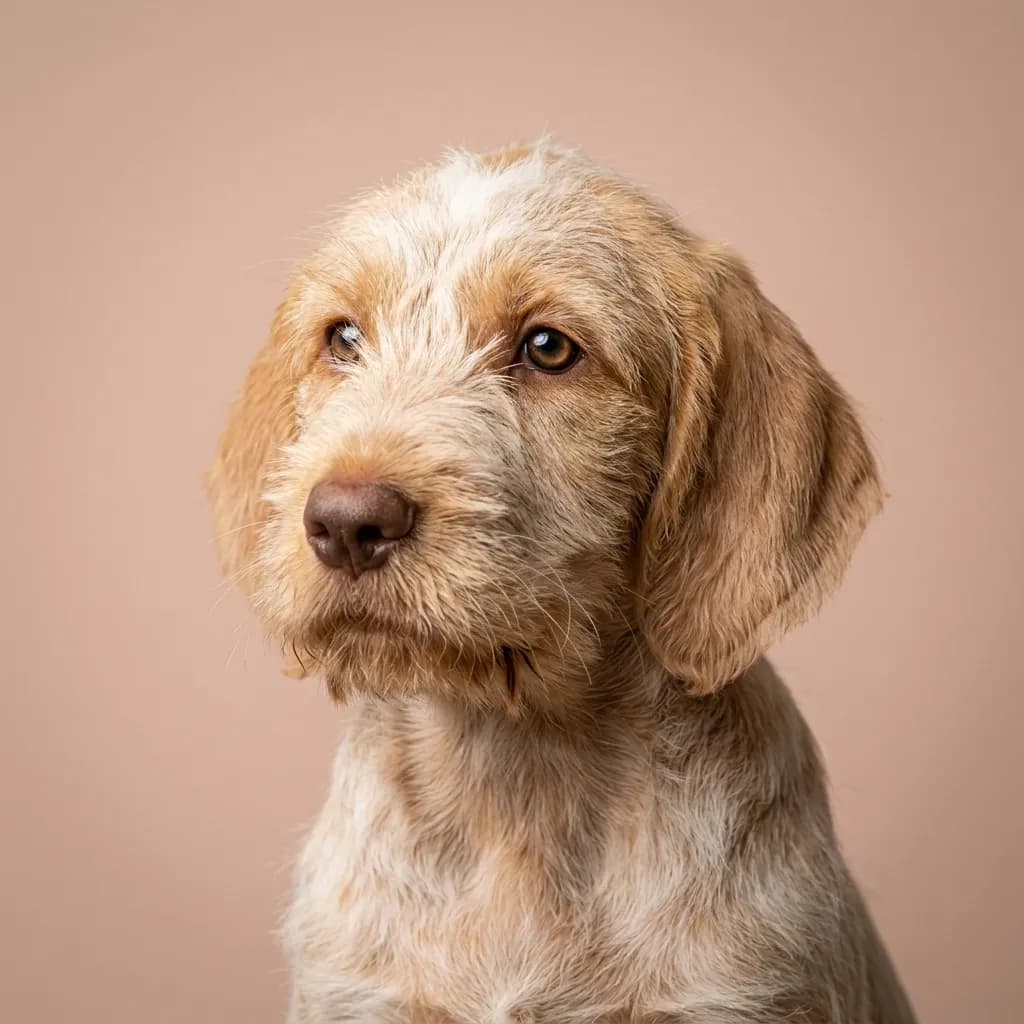
You’re not going to stumble into a Keeshond and Spinone Italiano matchup at the dog park every day, but if you’re torn between a fluffy, opinionated companion and a gentle, gangly hunting soul, you’re really asking a deeper question: do you want a dog that feels like family from day one, or a partner built for outdoor life with serious stamina? These two aren’t obvious twins on paper, but both are deeply affectionate, moderately shed, and great with kids. so the real differences live in how they move through the world. The Keeshond is your upbeat, chatty roommate with a permanent smile and a coat made for Minnesota winters. They’re smart, eager to please, and thrive in homes where someone’s around. You’ll hear them. 4/5 barking means they notice everything. They adapt to apartments just fine as long as you keep their mind busy. First-time owners often succeed here because they’re trainable and predictable. The Spinone? Picture a slow-moving freight train of love. Big, drooly, and built for hours in the field, they’re calm indoors but need space and a yard. They’re not as quick to train, and their energy is steady, not sparky. They’re not great for city living or tiny apartments. But if you hike, hunt, or live where they can roam, their patience and loyalty are unmatched. Here’s the truth beyond the facts: the Keeshond bonds tightly and watches the world like a watchdog should. emotionally present, almost human. The Spinone loves everyone equally, which is sweet, but they won’t have that “one person” intensity. If you want a dog that feels like a confidant, go Keeshond. If you want a peaceful, rugged companion for a country life, the Spinone’s your dog.
Trait-by-trait
Higher bar = more of that trait. Shedding, barking, drooling, grooming flipped for readability.Where they diverge
Choose the Keeshond if…
- Families with children
- Active owners
- Cold climates
- You value good with young children — Keeshond scores noticeably higher.
Choose the Spinone Italiano if…
- Active hunting families
- Those wanting a gentle, patient breed
- Families with children
- You value drooling level — Spinone Italiano scores higher here.