Keeshond vs Wirehaired Vizsla
Side-by-side comparison across all 14 AKC trait ratings, with a clear verdict on which breed fits which kind of household.

Not sure which breed fits your life?
Answer five questions about your home, your schedule, and your tolerance for shedding. We’ll match you to your top three breeds from over 200.
Keeshond vs Wirehaired Vizsla
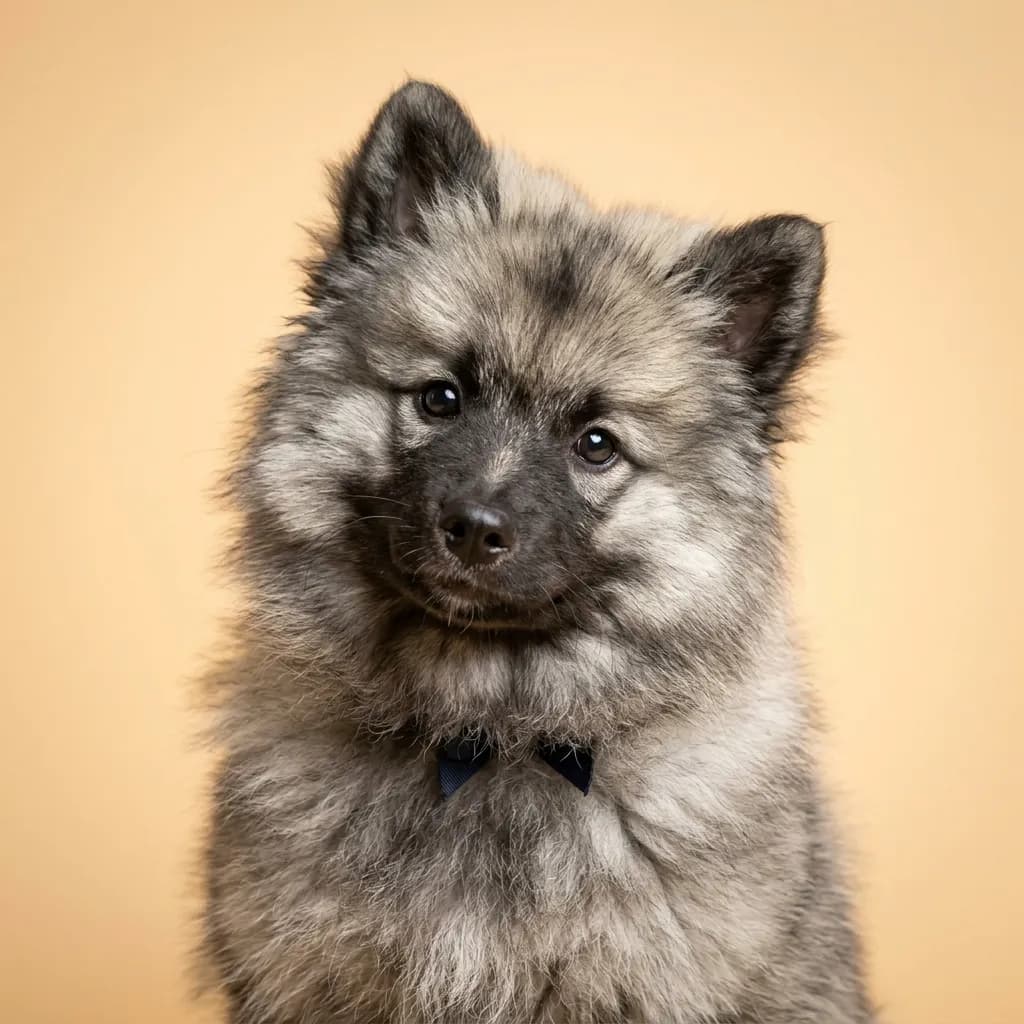
People compare Keeshonds and Wirehaired Vizslas because they’re both medium-to-large, affectionate, energetic dogs with shaggy coats and a love for cold weather. On paper, they seem like two paths to the same destination: a loyal, family-friendly outdoor companion. But in real life, they lead very different hikes. The Keeshond is your cheerful neighborhood greeter, the dog who knows every kid on the block and barks politely at the mail carrier just because it’s tradition. Bred to live on Dutch barges, they’re alert, social, and thrive on routine. They’re easier on first-time owners, adapt well to suburban or even modest city homes, and while they need daily walks and brushing, they’re happy with a brisk park loop and a puzzle toy. Their double coat sheds seasonally, so expect fur tumbleweeds in spring and fall. The Wirehaired Vizsla? This dog doesn’t just want exercise, it demands adventure. Bred for rugged Hungarian hunts, it’s got a motor that runs on terrain, tracking, and mental challenges. You don’t just walk this dog, you train it, you work it. It’s quieter than the Keeshond, less prone to barking, but needs serious space and stamina. Apartment life will break its spirit. It’s not a couch ornament. it’s a co-pilot for weekend hunts, trail runs, or advanced obedience. Families with young kids will find the Keeshond’s predictable warmth easier. But if you’re an active hunter or athlete who wants a dog that bonds like a shadow and thrives in the field, the Vizsla’s your match. Here’s the real talk: the Keeshond wants to be part of your life. The Wirehaired Vizsla wants to be your life. Choose accordingly.
Trait-by-trait
Higher bar = more of that trait. Shedding, barking, drooling, grooming flipped for readability.Where they diverge
Choose the Keeshond if…
- Families with children
- Active owners
- Cold climates
- You value good with other dogs — Keeshond scores noticeably higher.
Choose the Wirehaired Vizsla if…
- Active hunters
- Outdoor enthusiasts
- Experienced dog owners
- You value energy level — Wirehaired Vizsla scores higher here.